Borve and Ardvouray: Neolithic and Viking Heritage
The landscape surrounding Borve is a treasure trove of ancient history, offering a glimpse into the lives of the people who inhabited the region thousands of years ago. From the early settlers of the Neolithic period to the seafaring Norsemen, the area preserves a diverse array of archaeological remains that tell a story of transition and cultural richness.
Neolithic Foundations
Long before the arrival of the Vikings, the region was home to Neolithic communities. These early inhabitants left behind significant markers of their presence, most notably in the form of standing stones and burial structures. Among these is a burial cairn—a man-made pile of stones used to mark a grave or commemorate the dead—which serves as a testament to the spiritual and social practices of the era.
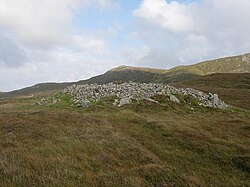
The Ardvouray Viking Discovery
One of the most significant archaeological finds in the vicinity of Borve occurred in 1862 at a site known as Ardvouray. Excavations revealed a rich Viking burial, providing an intimate look at the material culture and status of the Norse people who once settled in the area.
The grave contained a variety of personal and functional items, suggesting the deceased held a position of some importance. These artifacts, which are now preserved in the British Museum, include tools for daily life, weaponry, and ornate jewelry.
Artifacts of the Ardvouray Grave
- Oval brooches: Decorative fasteners used for clothing.
- Comb: A personal grooming tool.
- Drinking horn fragments: Remnants of a vessel used for ceremonial or social drinking.
- Spear: A primary weapon for hunting and warfare.
- Shears: Tools used for cutting wool or hair.
- Weaving sword: A flat tool used to beat the weft threads in weaving.
- Whetstone: A stone used for sharpening blades.
Key Facts
- The area contains Neolithic remains, including standing stones and a burial cairn.
- A significant Viking burial was discovered at Ardvouray in 1862.
- The Ardvouray artifacts are currently housed in the British Museum.
- The Viking grave included a diverse mix of weaponry, grooming tools, and textile equipment.
| Period | Site/Location | Key Findings |
|---|---|---|
| Neolithic | General Vicinity | Burial cairn and standing stones |
| Viking Age | Ardvouray | Brooches, spear, weaving sword, and other grave goods |
Frequently Asked Questions
What is a burial cairn?
A burial cairn is a prehistoric man-made pile of stones constructed over a grave to mark the site and honor the deceased.
When was the Ardvouray Viking burial discovered?
The burial was unearthed in 1862.
Where can the Ardvouray artifacts be seen today?
The contents of the Ardvouray grave are currently held in the British Museum.
What types of items were found in the Viking grave?
The grave contained a spear, a whetstone, a weaving sword, shears, a comb, oval brooches, and fragments of a drinking horn.
What evidence of Neolithic activity exists near Borve?
Evidence includes standing stones and a burial cairn located in the nearby area.