Borussia Mönchengladbach: The History and Legacy of the Foals
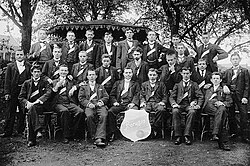
Known affectionately as Die Fohlen (The Foals), Borussia Verein für Leibesübungen 1900 e.V. Mönchengladbach is one of Germany's most storied football clubs. From its humble beginnings at the turn of the 20th century to its era of absolute dominance in the 1970s, the club has remained a symbol of attacking football and resilience in the Bundesliga.
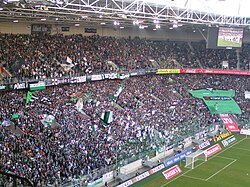
Today, the club plays its home matches at the modern Borussia-Park, a stadium with a capacity of 54,057, continuing a tradition of passion and excellence that spans over 125 years.
Key Facts
- Founded: 1 August 1900 as FK Borussia 1900.
- Nicknames: Die Fohlen (The Foals) and Die Borussen (The Prussians).
- Major Honors: 5 Bundesliga titles and 2 UEFA Cup trophies.
- Home Ground: Borussia-Park.
- Legendary Figures: Hennes Weisweiler (Coach), Berti Vogts, and Günter Netzer.
The Early Years and Rise to Prominence
The club's journey began in 1900, navigating through the challenges of the First World War and the Weimar Republic. Following the Second World War, Borussia resumed play in June 1946, embarking on a steady climb through the German football pyramid. By 1950, they reached the Oberliga West, the top flight of the time, eventually winning their first Oberliga title in the 1958–59 season.
The early 1960s marked the club's first taste of national glory. In 1960, Borussia won the DFB-Pokal (the German knockout cup competition) by defeating Karlsruher SC 3–2. This victory granted them entry into the European Cup Winners' Cup, providing the club with its first experience on the international stage.
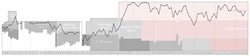
The mid-1960s were a pivotal transition period. After winning the Regionalliga West in 1964–65, the club secured promotion to the newly formed Bundesliga.
The Golden Decade: 1970–1980
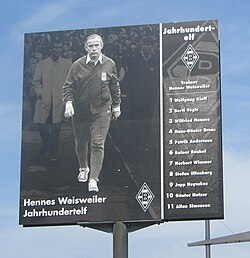
Under the leadership of coach Hennes Weisweiler, who managed the team from 1964 to 1975, Borussia Mönchengladbach entered its most successful era. The 1970s saw the club transform into a powerhouse of both German and European football, characterized by a fast, attacking style of play.
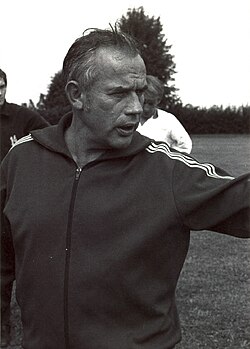
The club dominated the Bundesliga, winning five titles in total, including three consecutive championships from 1975 to 1977. Their success extended to Europe, where they captured the UEFA Cup in 1975 and 1979.
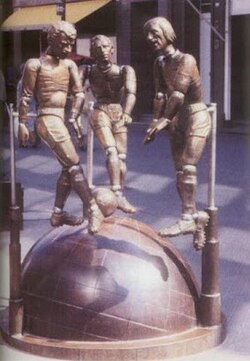
This era was defined by legendary players such as Berti Vogts, Günter Netzer, and Herbert Wimmer. Together, they formed a core that is still celebrated today, immortalized by a monument in the pedestrian area of Mönchengladbach-Eicken.
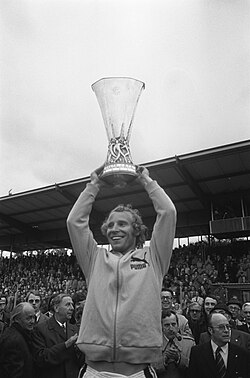
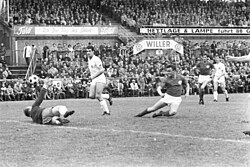
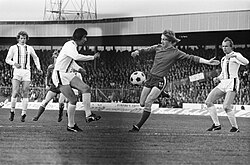
The 1975 UEFA Cup final against FC Twente remains a highlight of this period, cementing the club's status as a continental force.
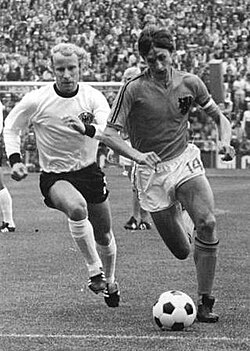
The influence of this era extended to the national team, with Berti Vogts playing a crucial role in West Germany's 1974 World Cup victory.
Fluctuation and Modern Revival
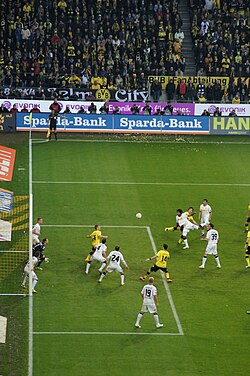
Following the golden era, the club experienced a period of slowdown and eventual decline. While they managed a DFB-Pokal victory in 1994–95 and a Supercup win against Borussia Dortmund, the club struggled with consistency. This culminated in a relegation from the Bundesliga in 2007, though they achieved an immediate return the following season.
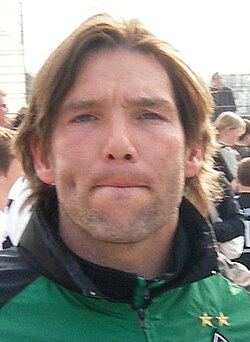
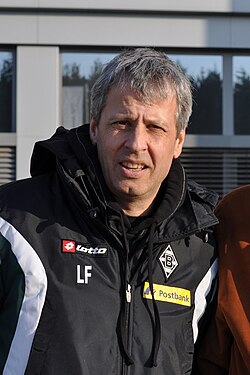
The club's fortunes shifted again in 2011 with the appointment of Lucien Favre. Favre led a revival, steering the team away from relegation and re-establishing them as a competitive force in the top half of the Bundesliga table.
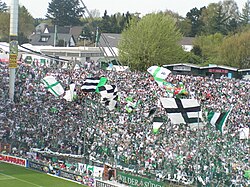
The transition to the new Borussia-Park stadium provided a modern foundation for this revival, blending historical pride with contemporary infrastructure.
In recent years, the club has focused on stability and youth development, maintaining its position as a respected member of the German top flight.
Club Honors and Statistics
| Competition | Winners | Runners-up |
|---|---|---|
| Bundesliga | 1969–70, 1970–71, 1974–75, 1975–76, 1976–77 | 1973–74, 1977–78 |
| DFB-Pokal | 1959–60, 1972–73, 1994–95 | 1983–84, 1991–92 |
| UEFA Cup | 1974–75, 1978–79 | 1972–73, 1979–80 |
| European Cup | - | 1976–77 |
| 2. Bundesliga | 2007–08 | - |
All-Time Records
The club's history is written by its most consistent performers. Berti Vogts holds the record for the most Bundesliga appearances with 419 matches. In terms of scoring, Jupp Heynckes remains the all-time leading goalscorer in the Bundesliga for the club with 195 goals.
Frequently Asked Questions
Why is the club nicknamed "The Foals"?
The nickname "Die Fohlen" (The Foals) refers to the club's historical style of play, characterized by youth, speed, and an energetic, attacking approach to the game.
Who is the most successful coach in the club's history?
Hennes Weisweiler is widely regarded as the most influential coach, leading the club from 1964 to 1975 and laying the groundwork for their golden era of dominance.
What is the significance of the number 12 at the club?
The number 12 is a retired number dedicated to the fans, who are considered the "12th man" of the team.
Which stadium does Borussia Mönchengladbach currently use?
The club plays its home matches at Borussia-Park, which has a capacity of 54,057 spectators.
Who are the club's primary rivals?
The club maintains significant rivalries with 1. FC Köln and Bayern Munich, the latter of which has dominated many of their direct comparisons in recent decades.