Bolivia National Football Team: History, Achievements, and Legacy of La Verde
Known affectionately as La Verde (The Green), the Bolivia national football team has been a staple of South American international football since 1926. Governed by the Federación Boliviana de Fútbol (FBF), the team competes as a member of CONMEBOL, the South American Football Confederation. While often facing uphill battles against the continent's giants, Bolivia has a storied history marked by a historic continental title and a unique ability to leverage its high-altitude home advantage.
Key Facts
- Nickname: La Verde (The Green)
- Major Honor: Copa América Champions (1963)
- World Cup Appearances: 3 (1930, 1950, 1994)
- All-Time Top Scorer: Marcelo Moreno (31 goals)
- Most Capped Player: Marcelo Moreno (108 caps)
- Home Ground: Estadio Municipal de El Alto
- Highest FIFA Ranking: 18th (July 1997)
Early Years and World Cup Debuts
Bolivia entered the international arena in 1926, joining FIFA in the same year. Their debut match took place on October 12, 1926, against Chile in Santiago. Although they scored first, the match ended in a 7–1 defeat for the Bolivians. This period was a steep learning curve, as the team suffered heavy losses against other regional powers like Argentina, Paraguay, and Uruguay.
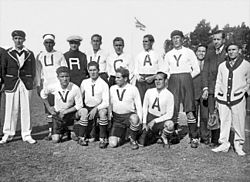
The team was invited to the inaugural FIFA World Cup in 1930 held in Uruguay. They competed in Group 2, losing 4–0 to both Yugoslavia and Brazil. This marked the beginning of a long gap in matches against non-South American opponents, which did not occur again until 1972.
Bolivia returned to the world stage in 1950 after receiving an automatic berth due to Argentina's withdrawal from the qualifiers. Their sole match in the tournament was a challenging 8–0 loss to Uruguay in Belo Horizonte.
Continental Glory and the 1994 Peak
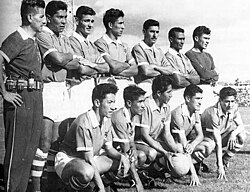
The pinnacle of Bolivian football came in 1963 when the team hosted and won the Copa América, their first and only title in the competition. This victory cemented their place in South American football history.
The 1990s represented another golden era. Under Spanish coach Xabier Azkargorta, Bolivia achieved a historic 2–0 victory over Brazil in La Paz during the 1994 World Cup qualifiers. This result helped them secure a spot in the 1994 FIFA World Cup, where they recorded a 0–0 draw against South Korea and scored their only World Cup goal to date in a match against Spain.
Bolivia's success continued into 1997 when they hosted the Copa América once again. They reached the final, ultimately finishing as runners-up after a 3–1 loss to the reigning world champions, Brazil. This period saw the team reach its highest ever FIFA ranking of 18th in July 1997.
Modern Era and Recent Performances
In more recent years, Bolivia has struggled for consistency but has shown flashes of brilliance. At the 2015 Copa América in Chile, the team reached the quarter-finals for the first time since 1997, following a 3–2 victory over Ecuador.
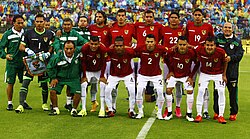
The modern era has been defined by the contributions of Marcelo Moreno, who stands as the nation's most-capped player and all-time leading goalscorer.

Team Summary and Records
| Category | Detail |
|---|---|
| Confederation | CONMEBOL |
| Best World Cup Result | Group Stage (1930, 1950, 1994) |
| Best Copa América Result | Champions (1963) |
| Biggest Win | 7–0 vs Venezuela (1993) / 9–2 vs Haiti (2000) |
| Biggest Defeat | 10–1 vs Brazil (1949) |
Frequently Asked Questions
When did Bolivia win the Copa América?
Bolivia won the Copa América in 1963, hosting the tournament and securing their first and only continental title.
Who is the greatest player in Bolivia's history based on stats?
Marcelo Moreno holds the records for both the most appearances (108 caps) and the most goals scored (31) for the national team.
How many times has Bolivia qualified for the FIFA World Cup?
Bolivia has appeared in the World Cup three times: in 1930, 1950, and 1994.
What is the significance of the nickname "La Verde"?
"La Verde" translates to "The Green," referring to the primary color of the national team's home kit.
What is the team's current home stadium?
The team currently plays its home matches at the Estadio Municipal de El Alto.