Boca Juniors: The Legacy of Argentina's Blue and Gold Giant
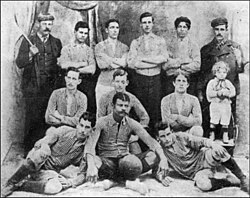
Founded on April 3, 1905, Club Atlético Boca Juniors stands as one of the most iconic institutions in global football. Known affectionately as Xeneize (Genoese), the club is deeply rooted in the working-class neighborhood of La Boca in Buenos Aires. Over its 121-year history, Boca has evolved from a local neighborhood team into a global powerhouse, earning nicknames such as Azul y Oro (Blue and Gold) and La mitad más uno (The Half plus One), reflecting its massive popularity across Argentina.
The club's identity is inextricably linked to its colors and its passionate fanbase. From its early days winning the Liga Central championship in 1906 to its modern dominance in the Primera División, Boca Juniors has maintained a standard of excellence that has made it a symbol of national pride.
Key Facts
- Founded: April 3, 1905
- Home Stadium: Estadio Alberto J. Armando (La Bombonera)
- Stadium Capacity: 57,200
- All-time Top Scorer: Martín Palermo (236 goals)
- Most Capped Player: Roberto Mouzo (426 matches)
- Current President: Juan Román Riquelme
- International Standing: Tied for 4th club worldwide with the most international cups won (18)
The Evolution of the Stadium
Boca Juniors has called several venues home before settling into its legendary current ground. The club's journey began at Dársena Sud (1905–07), followed by Isla Demarchi (1908–12) and a brief stint in Wilde (1914–15). The club then moved to the Ministro Brin y Senguel ground from 1916 to 1924.
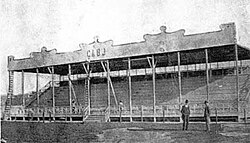
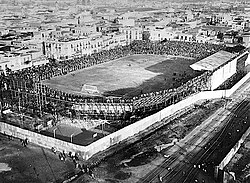
In 1924, the club inaugurated a stadium at Brandsen and Del Crucero. This site eventually became the foundation for the most famous stadium in South America: La Bombonera. Opened in 1940, the Estadio Alberto J. Armando is renowned for its unique D-shaped architecture and the intense atmosphere created by the supporters.
Kit and Visual Identity
The club's visual identity is centered around its striking blue and gold colors. While the core palette has remained consistent, the kit has seen various iterations and partnerships. Over the decades, Boca has collaborated with major manufacturers including Adidas, Nike, and Topper.
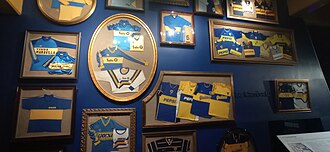
The club's badge has also evolved, with significant versions appearing in 1911, 1915, and the current design adopted in 1996. Sponsorships have ranged from early partners like Vinos Maravilla and Fiat to modern global brands such as Qatar Airways and Betsson.
Legendary Figures and Records
Boca Juniors' success is built on the contributions of legendary athletes. Martín Palermo holds the record as the all-time top goalscorer with 236 goals, including 43 in international tournaments. In terms of longevity, Roberto Mouzo remains the most capped player in the club's history with 426 appearances.
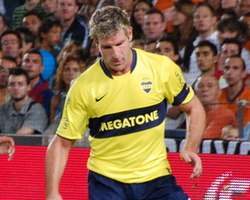
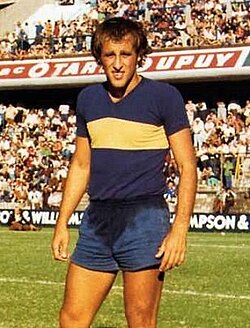
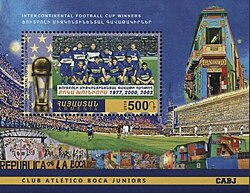
The club's international prestige is further cemented by its success in the Copa Libertadores, where Juan Román Riquelme stands as the top scorer with 25 goals. The global reach of the club is even recognized abroad, as evidenced by an Armenian stamp honoring the club's three Intercontinental Cup titles.
The Passion of the Fans
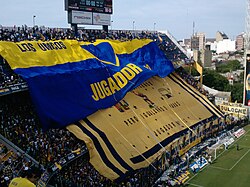
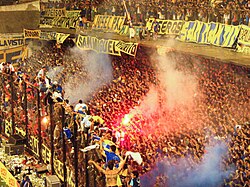
The supporters of Boca Juniors, particularly the organized group known as La Doce (The Twelfth Player), are famous for their unwavering devotion. This passion transforms La Bombonera into a vibrating cauldron of noise and color during match days, especially during high-stakes Copa Libertadores fixtures.
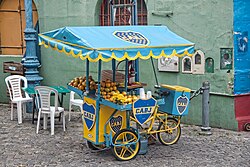
This cultural impact extends beyond the stadium and into the streets of La Boca, where themed vendors and local businesses celebrate the club's heritage daily.
Club Overview and Statistics
| Category | Detail |
|---|---|
| Full Name | Club Atlético Boca Juniors |
| League | Primera División |
| Current Head Coach | Rodolfo Arruabarrena |
| Largest Domestic Win | 11–1 vs Tigre (1942) |
| Largest International Win | 7–0 vs Bolívar (2007) |
| Most Titles (Player) | Sebastián Battaglia (17) |
Frequently Asked Questions
Who is the all-time leading goalscorer for Boca Juniors?
Martín Palermo is the club's all-time top scorer, having netted 236 goals during his tenure between 1997–2001 and 2004–2011.
What is the significance of the nickname "Xeneize"?
The term "Xeneize" is derived from the Genoese dialect, referring to the club's origins and the strong influence of immigrants from Genoa, Italy, in the La Boca neighborhood.
Where is La Bombonera located?
The Estadio Alberto J. Armando, commonly known as La Bombonera, is located in the La Boca district of Buenos Aires, Argentina.
Who is the most capped player in the club's history?
Roberto Mouzo holds the record for the most appearances, having played 426 matches for the club between 1971 and 1984.
How many international cups has Boca Juniors won?
Boca Juniors is tied for the fourth club in the world with the most international cups won, totaling 18 titles.