Blood Sausage: A Global Culinary Tradition
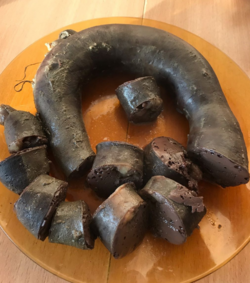
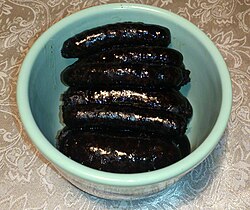
Blood sausage is a diverse category of sausages made by combining animal blood—most commonly from pigs, cows, sheep, lambs, chickens, or geese—with a filler. This mixture is cooked or dried until it reaches a thick consistency that solidifies upon cooling. While known by many names globally, such as black pudding, blutwurst, or morcilla, the core concept remains the same: utilizing nutrient-dense blood to create a hearty, savory food.
Depending on the region, fillers may include grains, cereals, bread, nuts, or meat products. In some cultures, these sausages are strictly savory, while others incorporate sweet elements like sugar or fruit.
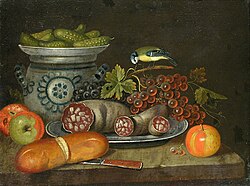
Key Facts
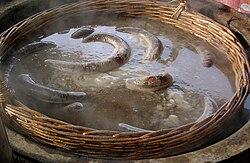
- Primary Ingredients: Animal blood, grains, meat products, onions, and spices.
- Common Names: Black pudding (UK), Blutwurst (Germany), Morcilla (Spain/Latin America), Boudin Noir (France).
- Nutritional Profile: High in iron (36% DV) and protein, though often high in fat.
- Global Reach: Found in nearly every continent, from the highlands of Tibet to the cities of Kenya.
Nutritional Profile
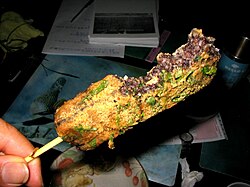
Blood sausage is recognized for its high mineral content, particularly iron. Below is the nutritional breakdown per 100 grams (3.5 oz) for a standard variety.
| Nutrient | Amount |
|---|---|
| Energy | 379 kcal (1,586 kJ) |
| Protein | 15 g |
| Fat | 35 g |
| Carbohydrates | 1 g |
| Sugars | 1 g |
| Iron | 36% DV |
| Sodium | 30% DV |
Regional Varieties Across the World
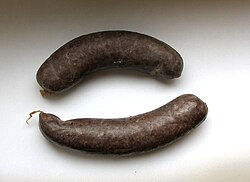
Africa
In Kenya, Mutura is a popular traditional dish. It consists of meat, blood, and spices encased in intestines or stomach. The sausage is boiled for 30–45 minutes and then roasted over coals. It is typically served with ugali (a maize porridge) and kachumbari, a fresh onion and tomato salad.
The Americas
In Latin America, morcilla is the dominant term. In Puerto Rico, it is often made with rice, garlic, and peppers, becoming a staple during Christmas. In Mexico, the Yucatán Peninsula produces a version made exclusively from pig's blood, which is deep-fried and served in tacos with habanero peppers. In Central Mexico, it is known as moronga.
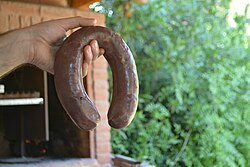
South American variations also lean heavily on rice fillers. In Brazil, chouriço or morcela is common at barbecues (churrascos), with some regions preferring a sweet version called chouriço doce.
Asia
Asian blood-based foods vary from encased sausages to congealed curds. In Korea, sundae is a well-known variety, while in China, traditional versions use sheep or goat blood in the northeast and pig blood curd in the south.
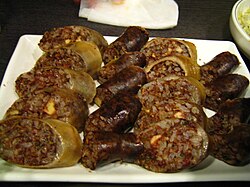
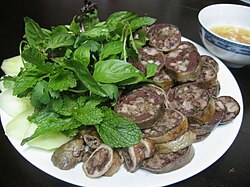
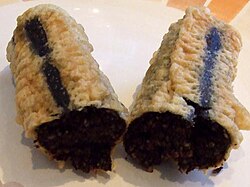
Tibet utilizes yak or sheep's blood, often filled with roasted barley flour or rice. In Japan, historical records mention soresore, a deer or bear blood sausage from the Tochigi Prefecture. Southeast Asian versions include Vietnam's dồi, which incorporates pork blood, fat, and basil.
Europe
Europe possesses some of the most diverse blood sausage traditions. In the UK and Ireland, black pudding is a cornerstone of the full breakfast. In Germany and Austria, Blutwurst (or Blunze in Austria) is often served with horseradish or pan-fried potatoes.
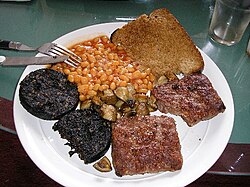
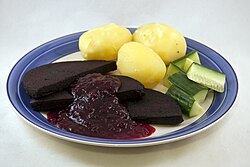
Northern Europe often blends savory and sweet. Denmark's blodpølse contains raisins and cinnamon, while Sweden's blodpudding is oven-baked and served with lingonberry jam. In Italy, migliaccio and sanguinaccio dolce are sweet puddings containing chocolate and almonds.
Frequently Asked Questions

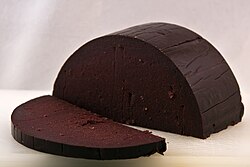
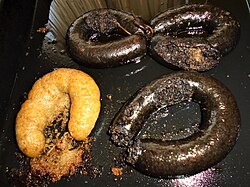
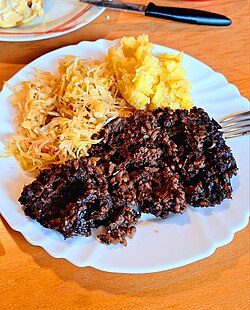
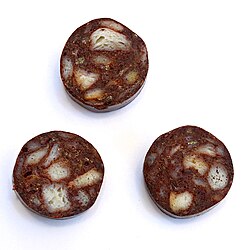
![Morcilla de Burgos [es], a blood sausage made with rice fillers. It is consumed in Spain.](/images/b6/80/b680c7e3aed300f94d778ae2c8180fd97eec527891eee63c4d4855581754b276.jpg)
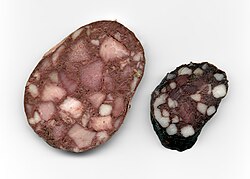
What is the difference between blood sausage and black pudding?
While often used interchangeably, "blood sausage" is a general term for any sausage made with blood. "Black pudding" specifically refers to varieties that include non-animal fillers such as cereals, bread, or grains.
Is blood sausage always savory?
No. While most are savory, several cultures create sweet versions, such as the Italian sanguinaccio dolce, the Brazilian chouriço doce, and the Danish blodpølse, which includes sugar and raisins.
Which animals are typically used for the blood?
The most common sources are pigs, cows, sheep, and lambs. However, depending on the region, blood from chickens, geese, deer, bear, or yak may also be used.
How is blood sausage typically served?
Serving methods vary by culture: it can be boiled, fried, or oven-baked. Common accompaniments include lingonberry jam in Scandinavia, kachumbari in Kenya, and sauerkraut or potatoes in Central Europe.
Why is blood sausage high in iron?
Blood is naturally rich in hemoglobin, a protein that contains iron. Because the blood is concentrated during the sausage-making process, the final product provides a significant percentage of the daily recommended intake of iron.