Blockade of Germany: The Economic Warfare of World War I
During the First World War, the Allied Powers employed a devastating strategy of economic attrition known as the Blockade of Germany. Spanning from 1914 to 1919, this naval campaign aimed to strangle the German Empire and its allies by cutting off essential imports of food and strategic raw materials. By leveraging their command of the seas, the British Empire, France, and later the United States transformed the Atlantic Ocean and Mediterranean Sea into barriers that isolated the Central Powers from the global market.
Key Facts
- Duration: 1914–1919.
- Primary Objective: To limit the passage of vessels carrying goods to Germany and its allies.
- Key Naval Units: The Dover Patrol (English Channel) and the Northern Patrol (North Sea).
- Controversial Impact: Estimates of civilian deaths due to malnutrition and disease range from 424,000 to 763,000.
- Post-War Continuation: The blockade remained in effect for a period after the November 1918 armistice.
The Mechanics of the Blockade
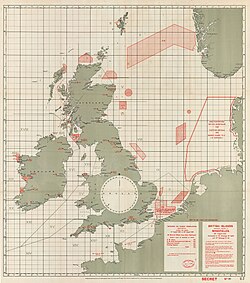
The British Isles served as a strategic "breakwater," effectively limiting German access to the open ocean. To achieve this, the Royal Navy implemented a two-pronged approach: the Dover Patrol sealed the narrow English Channel, while the Northern Patrol monitored the 155-mile gap between Shetland and Norway. This effort was supported by the Grand Fleet based at Scapa Flow.
To further tighten the grip, a British submarine flotilla operated in the Baltic Sea to disrupt the flow of Swedish iron ore. By January 1917, reports to the British War Cabinet indicated that very few supplies were reaching Germany or its allies, including Austria-Hungary, whose Adriatic ports had been under French blockade since 1914.
Naval Enforcement and Patrols
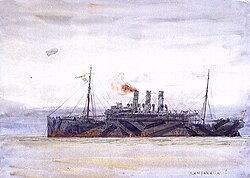
The enforcement of the blockade relied on armed merchant cruisers and rigorous inspections. The British government issued Maritime Orders in Council, such as the one on March 11, 1915, which authorized the seizure of all ships carrying goods of presumed enemy destination, ownership, or origin. This was largely a retaliation for Germany's own "war zone" announcements.
Economic Isolation and Trade Collapse
While naval patrols were critical, Germany's predicament was exacerbated by the fact that it was at war with most of its primary trading partners. In 1913, Germany imported 2.5 million tons of wheat; a significant portion of this came from the US (1.0m tons), Canada and Russia (0.85m tons), and Romania (0.09m tons). When these nations joined the Allies, Germany's food security collapsed.
Furthermore, Germany lost the ability to pay for remaining imports, as more than half of its exports were destined for Britain, Russia, and France. This total economic isolation led to severe shortages of both strategic materials and basic foodstuffs.
The Propaganda War
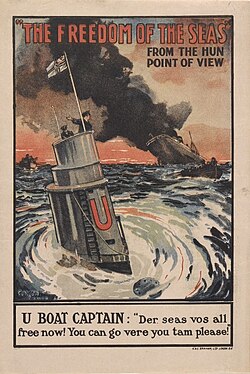
The blockade became a focal point of psychological warfare. The Allies used the blockade to weaken the German home front, while Germany attempted to frame the blockade as a violation of international law and a crime against civilians to counter Allied criticisms of German submarine warfare.
Impact on the German Home Front
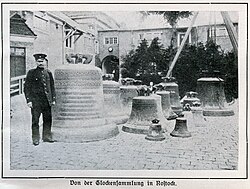
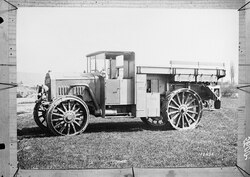
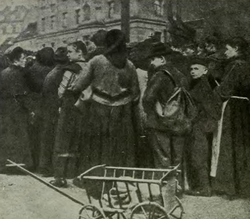
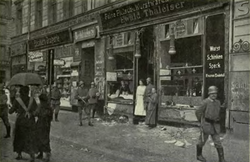
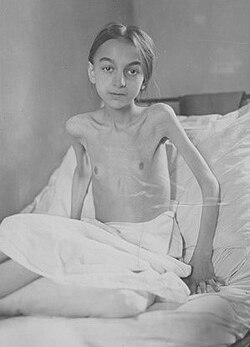
The shortage of resources led to extreme measures within Germany. The government encouraged the recycling of metals, including church bells, to support the war effort. As the blockade tightened, the civilian population suffered from severe malnutrition, leading to bread queues and food riots in cities like Berlin by 1918.
Health and Mortality
The human cost of the blockade remains a subject of intense historical debate. Malnutrition left the population vulnerable to diseases such as tuberculosis. The intersection of food scarcity and the 1918 Spanish flu pandemic created a public health crisis that claimed hundreds of thousands of lives.
The Road to Armistice and Aftermath
Historians disagree on whether the blockade alone forced Germany's defeat. Some argue it starved the Central Powers into submission, while others maintain that the collapse of the military front in the West and the armistice signed by Austria-Hungary on November 3, 1918, were the primary drivers. General Erich Ludendorff had already warned the Kaiser in September 1918 that the military front was nearing collapse.
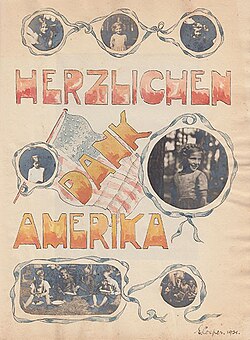
Following the Armistice of November 11, 1918, the blockade continued into 1919. This post-war period was described by some as the most devastating months for the German people, with an estimated 100,000 additional deaths occurring before conditions improved—partly due to soldier's councils raiding military food reserves for civilian use.
| Category | Details |
|---|---|
| Timeframe | 1914–1919 |
| Allied Powers | British Empire, French Republic, United States (from 1917) |
| Central Powers | German Empire, Austria-Hungary, Ottoman Empire, Bulgaria |
| Key Naval Zones | English Channel (Dover Patrol), North Sea (Northern Patrol) |
| Estimated Civilian Deaths | 424,000 (1928 study) to 763,000 (1918 German estimate) |
Frequently Asked Questions
How many civilians died because of the blockade?
Estimates vary significantly. The German government claimed 763,000 deaths in 1918. However, a 1928 academic study estimated 424,000 war-related civilian deaths (excluding Spanish flu), and historian Jay Winter estimated approximately 300,000 excess deaths specifically from the blockade.
Did the blockade cause Germany to surrender?
This is debated. Some historians believe the blockade starved Germany into defeat, while others argue the armistice was primarily forced by military failures on the Western Front and the collapse of Germany's ally, Austria-Hungary.
What was the "Northern Patrol"?
The Northern Patrol was a British naval operation that closed the North Sea across the 155-mile gap between Shetland and Norway, preventing ships from reaching German ports.
Why did the blockade continue after the armistice?
The blockade remained in place into 1919, a period that saw continued hardship and an estimated 100,000 additional deaths before food reserves were released and the blockade was lifted.
How did the blockade affect German trade?
It effectively ended Germany's ability to import essential goods. For example, Germany lost access to millions of tons of wheat from the US, Canada, and Russia, and lost its primary export markets in Britain and France.