Birmingham Museum of Art: A Comprehensive Guide to the Collections
The Birmingham Museum of Art houses a vast and diverse array of global creativity, spanning millennia and continents. From the ancient sculptures of Egypt and the Americas to the cutting-edge installations of the contemporary era, the museum serves as a cultural crossroads. Its holdings are meticulously curated to tell the story of human expression through painting, sculpture, textiles, and decorative arts.
Key Facts
- Asian Art: Over 4,000 objects from China, Korea, Japan, India, and Southeast Asia.
- European Decorative Arts: More than 12,000 objects, including the only public collection of late 19th-century European cast iron in the US.
- African Art: Nearly 2,000 objects from sub-Saharan Africa dating from the 12th century to today.
- American Masterpieces: Home to Bierstadt's Looking Down Yosemite Valley, California, recognized as one of 40 American masterpieces by the NEH.
- Specialized Libraries: The Clarence B. Hanson Jr. Library and the Chellis Wedgwood Library provide extensive research resources.
Global Art Collections
African and Egyptian Art
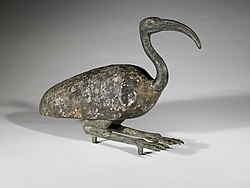
The African collection comprises nearly 2,000 objects from major sub-Saharan culture groups, dating from the 12th century to the present. This diverse assembly includes masks, ritual objects, textiles, and ceramics. Notable highlights include a Yoruba mask, a Benin bronze hip pendant, a divination portrait of a king from Dahomey, and an Egyptian false door—a stone slab designed to allow the spirit of the deceased to move between worlds.
Asian Art
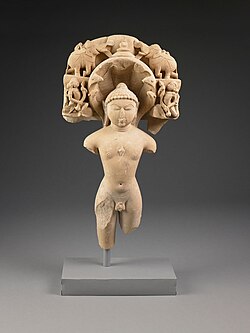
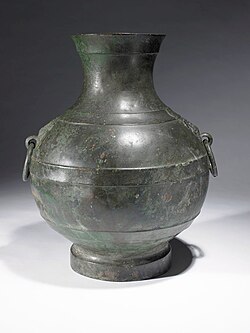
Beginning with a gift of Chinese textiles in 1951, the Asian collection has grown to over 4,000 objects. It encompasses Buddhist and Hindu art, lacquer ware, and ceramics from China, Korea, Japan, India, and Southeast Asia. Key pieces include Tang dynasty tomb figures, a rare Ming dynasty temple wall, and Jomon period pottery from Japan. The museum also hosts the Vetlesen Jade Collection on long-term loan from the Smithsonian Institution, featuring 16th to 19th-century pieces.
European Art and the Kress Collection
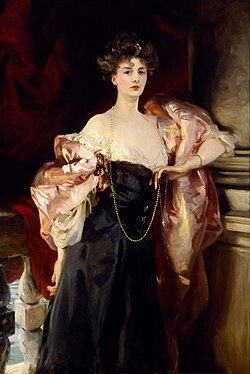
The European holdings are anchored by the Kress Collection of Renaissance Art, which features paintings and sculptures from the late 13th century to approximately 1750, including works by Pietro Perugino and Antonio Canaletto. The museum also boasts strong representations of 17th-century Dutch painting (such as Jacob van Ruisdael) and 18th-century British portraiture by Thomas Gainsborough and Thomas Lawrence.
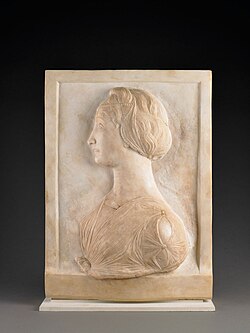
European Decorative Arts
With over 12,000 objects, the decorative arts collection spans from the Renaissance to the modern era. The Eugenia Woodward Hitt Collection showcases 18th-century French art from the Louis XIV, XV, and XVI periods. Additionally, the Dwight and Lucille Beeson Wedgwood Collection contains over 1,400 pieces illustrating the history of the Wedgwood factory through the 19th century.
The Americas and Regional Art
American and Alabama Art
The American collection spans the late 18th through mid-20th century, featuring masters such as Georgia O'Keeffe and Childe Hassam. Since 1951, the museum has specifically championed the art of Alabama, collecting works by miniaturist Hannah Elliott and landscapist Carrie Hill. This regional focus extends to folk art, including quilts and pottery by self-taught artists like Bill Traylor and Thornton Dial.
Native American and Pre-Columbian Art
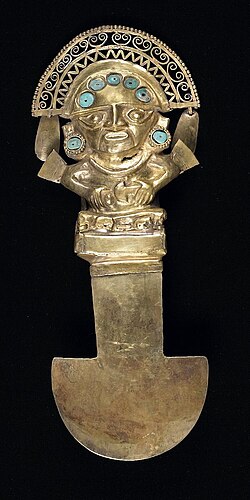
Native American art is organized by region: Eastern Woodlands, Plains, Northwest Coast, and Southwest. Highlights include Navajo blankets, Pueblo ceramics, and Plains shaman headdresses. The Pre-Columbian collection focuses on Meso-America, Central America, and the Northern Andes, featuring Zapotec ceramics, Maya sculpture, and Sican ceremonial gold vessels.
Contemporary Art and Outdoor Spaces
The Contemporary collection features works from the 1960s to the present, including painting, video, and installation art by figures such as Andy Warhol and Joan Mitchell. The photography section is particularly poignant, featuring civil rights era imagery by Danny Lyon and Charles Moore.
The Charles W. Ireland Sculpture Garden
This multi-level outdoor space features works by Auguste Rodin and Fernando Botero. It also includes three site-specific commissions: Elyn Zimmerman's Lithos II, Valerie Jaudon's Blue Pools Courtyard, and Sol LeWitt's Bands of Color in Various Directions.
Collection Summary
| Collection Area | Key Periods/Regions | Notable Artists or Highlights |
|---|---|---|
| African Art | 12th Century – Present | Yoruba masks, Benin bronzes |
| Asian Art | Ancient – Contemporary | Vetlesen Jade Collection, Ming dynasty wall |
| European Art | 13th Century – 19th Century | Kress Collection, Dutch and French masters |
| American Art | Late 18th – Mid-20th Century | Georgia O'Keeffe, Albert Bierstadt |
| Pre-Columbian | Ancient Americas | Maya sculpture, Sican gold tumi |
Frequently Asked Questions
What is the significance of the Bierstadt painting in the American collection?
The painting Looking Down Yosemite Valley, California (1865) was selected by the National Endowment for the Humanities as one of 40 American masterpieces that best depict the people, places, and events that shaped the story of America.
What makes the European decorative arts collection unique?
It is the only public collection of late 19th-century European cast iron items in the United States and includes the extensive Dwight and Lucille Beeson Wedgwood Collection.
Which artists are represented in the contemporary photography section?
The collection includes works by William Christenberry, Robert Frank, and Gordon Parks, as well as critical civil rights era documentation by Danny Lyon and Spider Martin.
What can visitors find in the museum's libraries?
The Clarence B. Hanson Jr. Library offers general art references and auction catalogues, while the Chellis Wedgwood Library contains the Hamilton Folios—the first European color-plate books—and letters from John Flaxman and Benjamin West.
How is the Native American art organized?
The galleries are divided into four cultural groupings based on region: the Eastern Woodlands, Plains, Northwest Coast, and Southwest.