Bird Strikes: Risks, Impact, and Mitigation in Aviation
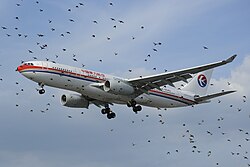
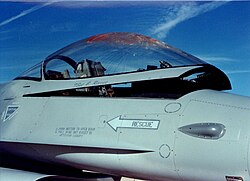
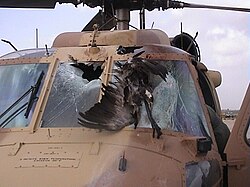
A bird strike—also known as bird ingestion when it involves an engine, or Bird Aircraft Strike Hazard (BASH)—occurs when a flying animal, typically a bird or occasionally a bat, collides with a moving vehicle. While most commonly associated with aircraft, these collisions can also involve high-speed trains and automobiles. Beyond vehicles, the term is used to describe avian deaths resulting from collisions with tall structures, such as skyscrapers, wind turbines, and power lines.
The intersection of avian flight paths and high-speed transportation creates a significant safety challenge for the global aviation industry, necessitating rigorous engineering standards and active wildlife management.
Key Facts
- Economic Impact: Bird strikes are estimated to cost commercial aircraft at least $1 billion in damages annually worldwide.
- Critical Phases: Collisions are most frequent during takeoff, climb, approach, and landing.
- Engine Standards: Most large commercial jet engines are designed to shut down safely after ingesting a bird weighing up to 1.8 kg (4.0 lb).
- Reporting Gap: Approximately 50% of all bird strikes globally go unreported.
- Altitude Range: While most occur at low altitudes, strikes have been recorded as high as 11,300 m (37,100 ft).
Factors Influencing Probability and Severity
Altitude and Flight Phase
The probability of a bird strike is highest at low altitudes. Most incidents occur during the critical phases of flight: takeoff, climb, approach, and landing. While most aircraft fly above typical avian altitudes, strikes still occur in the upper atmosphere. The current record for avian height involved a Rüppell's vulture colliding with an aircraft over the Ivory Coast at 11,300 m (37,100 ft).
Engine Ingestion and Design
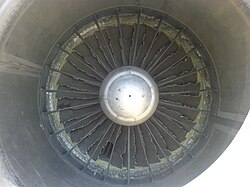
When a bird is sucked into a jet engine, it is referred to as bird ingestion. To mitigate the risk, regulatory bodies require that engines be capable of a safe shutdown if they ingest a bird weighing up to 1.8 kg (4.0 lb). The engine itself does not necessarily have to survive the event, but it must shut down without endangering the aircraft.
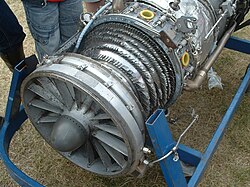
Multiple strikes, such as hitting a flock, are significantly more dangerous for twin-engine aircraft as they can disable multiple systems simultaneously. Following the 2009 ditching of US Airways Flight 1549, the EASA and FAA proposed that engines should also be capable of sustaining bird strikes during descent, where turbofans rotate more slowly than during takeoff.
Reporting and Global Statistics
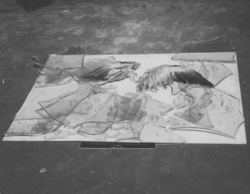
The International Civil Aviation Organization (ICAO) manages the Bird Strike Information System (IBIS). In an analysis covering 2022 to 2024, IBIS collected 214,734 reports from 156 states. However, reporting varies by region; it is mandatory in the European Union and Australia, but primarily voluntary in the United States.
| Metric | Estimated Value/Count | Source/Scope |
|---|---|---|
| Global Commercial Damage | $1 billion+ | Conservative Global Estimate |
| US Aviation Cost | $400 million | FAA Estimate |
| Worldwide Airline Cost | $1.2 billion | Central Science Laboratory (UK) |
| US Air Force Strikes (2003) | 4,300 | USAF Records |
| US Civil Aircraft Strikes (2003) | 5,900 | US Civil Records |
Countermeasures and Wildlife Management
Technological Detection
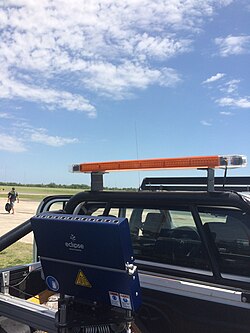
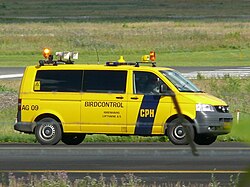
Real-time tactical avoidance is now possible through specialized bird radar. The DeTect company developed a production model used by air traffic controllers at commercial and military airfields. This technology, including the MERLIN system, was utilized by NASA to track vulture activity during 22 Space Shuttle launches between 2006 and 2011. The US Air Force also employs the Avian Hazard Advisory System (AHAS).
Wildlife Control Methods
Airports employ various strategies to reduce bird populations and activity:
- Non-lethal methods: These include habitat manipulation, exclusion, and the use of visual, auditory, tactile, or chemical repellents.
- Lethal control: Population control is used for species that cannot be excluded. For example, at JFK International Airport, the USDA Wildlife Services shot 28,352 laughing gulls over two years to reduce strikes, resulting in an 89% decrease in strikes with that species by 1992.
Historical Incidents
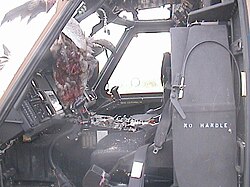
Bird strikes have led to numerous aviation accidents over the last century, some resulting in significant loss of life.
Early and Military Incidents
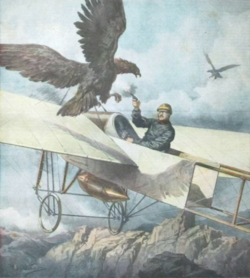
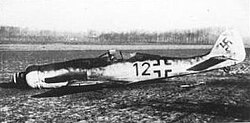
Early aviation records include a 1911 incident where Eugène Gilbert was attacked by an eagle over the Pyrenees. In 1945, a Fw 190D-9 was downed near Brussels after a partridge flew into the nose radiator.
Major Commercial Crashes
- Eastern Air Lines Flight 375 (1960): A Lockheed L-188 Electra flew through a flock of starlings during takeoff, damaging all four engines. The crash resulted in 62 fatalities.
- US Airways Flight 1549 (2009): A flock of geese caused a dual engine failure shortly after takeoff from LaGuardally. Captain Chesley Sullenberger successfully ditched the plane in the Hudson River, saving all 155 people on board.
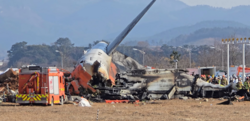
- Jeju Air Flight 2216 (2024): The deadliest bird-strike-linked accident occurred when a Boeing 737-800 suffered dual engine failure during landing at Muan International Airport, resulting in 179 fatalities.
Frequently Asked Questions
What is the difference between a bird strike and bird ingestion?
A bird strike is a general term for any collision between a bird and a vehicle. Bird ingestion specifically refers to the event where a bird is sucked into a jet engine.
Can aircraft engines survive a bird strike?
Most large commercial engines are designed to handle the ingestion of a bird weighing up to 1.8 kg (4.0 lb). While the engine may not survive the event, it is designed to shut down safely to prevent further catastrophic failure.
At what altitude do most bird strikes occur?
Most strikes occur at low altitudes during takeoff, climb, approach, and landing. However, they can occur much higher, with one recorded instance at 11,300 meters (37,100 feet).
How do airports prevent bird strikes?
Airports use a combination of bird radar for real-time tracking, habitat manipulation to make the area less attractive to birds, and various repellents. In some cases, lethal population control is used for specific species.
Which bird species are most commonly involved in strikes?
In the USA, waterfowl (30%), gulls (22%), raptors (20%), and pigeons/doves (7%) account for 79% of reported bird strikes that cause damage to civil aircraft.