Biological Hybrids: Nature's Genetic Fusion
In the diverse world of biology, a hybrid is the offspring resulting from the sexual reproduction of two organisms of different varieties, subspecies, species, or even genera. At its core, hybridization means that every cell in the resulting organism contains genetic material from two distinct parents. This differs from a chimera, which is an individual where only some cells are derived from a different organism.
While many imagine hybrids as simple intermediates between their parents, they often exhibit hybrid vigor—a phenomenon where the offspring grows larger, taller, or stronger than either parent. Depending on the field of study, the definition of a hybrid shifts: animal and plant breeders focus on parentage, geneticists look at chromosome counts, and taxonomists examine how closely related the parent taxa are.
Key Facts
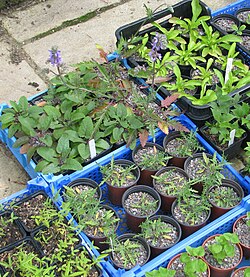
- Genetic Composition: Hybrids possess genetic material from two different organisms in every cell.
- Hybrid Vigor: Some hybrids outperform both parents in size or strength.
- Reproductive Barriers: Many species are isolated by genetic, morphological, or behavioral barriers that prevent hybridization.
- Human Influence: Hybridization is a cornerstone of modern agriculture and horticulture to create high-yielding crops.
- Speciation: Some new species are formed entirely through hybrid speciation, often involving the doubling of chromosomes.
Mechanisms of Reproductive Isolation
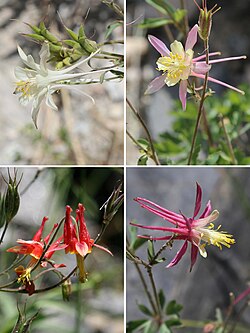
Not all species can hybridize. Nature employs strong barriers to maintain species boundaries. In animals, these include morphological differences, differing fertility windows, unique mating behaviors, and the physiological rejection of sperm or embryos. Some of these barriers act before fertilization, while others occur afterward.
Plants face similar challenges. Isolation can be caused by differing flowering times, different pollen vectors (such as specific insects), or the inhibition of pollen tube growth. Other plant-specific barriers include somatoplastic sterility and structural differences in chromosomes.
Hybridization Across Different Taxa
Mammals and Marine Life
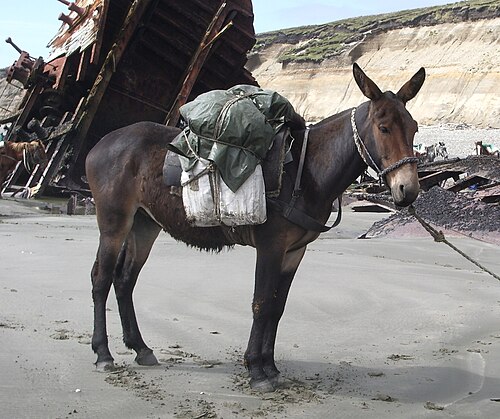
Hybridization in mammals often results in sterile offspring, such as the mule, which is the cross between a male donkey and a female horse.
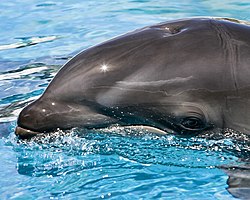
Recent discoveries have expanded our knowledge of marine mammal hybrids. In 2014, the clymene dolphin was identified as a hybrid of spinner and striped dolphins. Additionally, scientists confirmed the existence of the "narluga," a hybrid between a beluga whale and a narwhal.
Big Cats and Other Animals
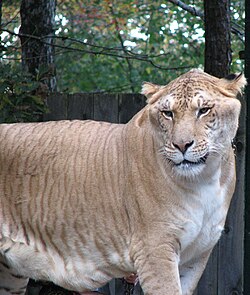
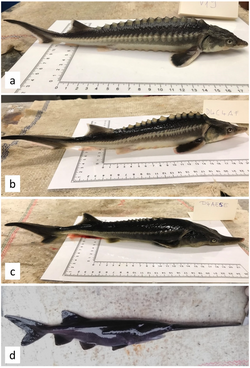
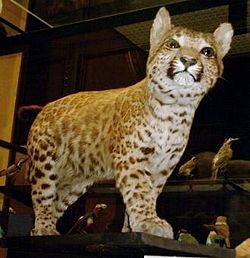
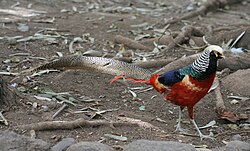
Captive breeding has produced famous hybrids like the liger (lion and tiger) and the pumapard (cougar and leopard). In the avian world, hybrids occur between various pheasant species, and in the fish world, the sturddlefish represents a fusion of the American paddlefish and Russian sturgeon—species that shared a common ancestor 184 million years ago.
Plants and Fungi
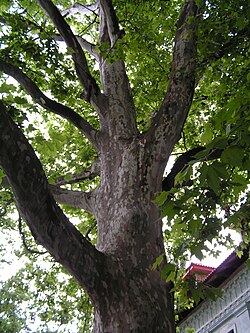
Hybridization is extremely common in plants. Some, like the London plane tree, are natural hybrids used widely in urban planting. Others are the result of polyploidy (having more than two paired sets of chromosomes), such as durum wheat, which evolved from a hybrid of two diploid wild grasses.
![Durum wheat is tetraploid, derived from wild emmer wheat, which is a hybrid of two diploid wild grasses, Triticum urartu and a wild goatgrass such as Aegilops searsii or Ae. speltoides.[40]](/images/c0/ac/c0ac06b4cc221171f82819d8d421d7a0d12ed722c23a24b5c81612bf44662886.jpg)
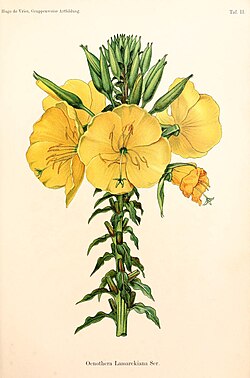
The study of the flower Oenothera lamarckiana was pivotal for early genetic research into mutationism. Furthermore, the 20th-century Green Revolution relied heavily on hybridization to develop high-yielding crop varieties to ensure food security.
![The Green Revolution of the 20th century relied on hybridization to create high-yielding varieties, along with increased reliance on inputs of fertilizers, pesticides, and irrigation.[63]](/images/27/fd/27fd56cd80bbe03a4111727dc73aafc12cc0ecc0c2f0e3eaaaef1e6d70ef5c85.jpg)
Human Influence and Evolution
Humans have intentionally used hybridization in horticulture and agriculture to create useful fruits, herbs, and trees. In livestock, this has led to animals like the beefalo. While selective breeding of domestic breeds is often called "hybridization" in casual terms, it is technically different from interspecific hybridization.
In human evolution, the Oase 2 skull suggests that early modern humans may have hybridized with Neanderthals, indicating a complex history of genetic mixing.

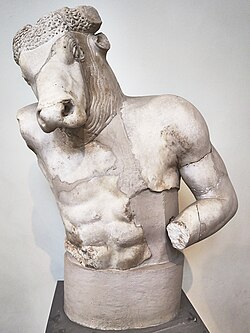
Beyond science, the concept of the hybrid appears in mythology, such as the Minotaur, described as the offspring of a woman and a bull.
Summary of Hybrid Examples
| Organism | Parent Species | Type/Note |
|---|---|---|
| Mule | Donkey × Horse | Sterile hybrid |
| Liger | Lion × Tiger | Captive bred |
| Durum Wheat | Triticum urartu × Wild goatgrass | Tetraploid crop |
| London Plane | Platanus species | Natural hybrid |
| Clymene Dolphin | Spinner × Striped Dolphin | Hybrid speciation |
| Sturddlefish | Paddlefish × Sturgeon | Distant ancestor hybrid |
Frequently Asked Questions
What is the difference between a hybrid and a chimera?
A hybrid is an organism where every cell contains genetic material from two different parents. A chimera is an individual that contains two or more populations of cells with different genotypes, meaning only some cells are derived from a different organism.
What is hybrid vigor?
Hybrid vigor, or heterosis, is a biological phenomenon where the hybrid offspring exhibits enhanced traits—such as increased size, growth rate, or health—compared to both of its parent species.
Can hybrids produce their own offspring?
Not always. Many hybrids, like mules, are sterile. However, some undergo hybrid speciation, where the offspring can reproduce and eventually form a new species, often through the doubling of chromosomes (polyploidy).
How did hybridization help the Green Revolution?
The Green Revolution utilized hybridization to create high-yielding varieties of crops. These hybrids were designed to be more productive, though they often required increased inputs of irrigation, pesticides, and fertilizers.
What are reproductive isolation barriers?
These are biological mechanisms that prevent different species from mating. They can be pre-zygotic (occurring before fertilization, like different mating calls or flowering times) or post-zygotic (occurring after, such as the physiological rejection of an embryo).