Understanding Biennial Plants: The Two-Year Life Cycle
In the diverse world of botany, plants are often categorized by their life cycles. While many gardeners are familiar with annuals and perennials, there is a distinct group known as biennial plants. Derived from the prefix "bi-" (two) and "-ennial" (year), a biennial is a flowering plant that typically requires two years to complete its biological life cycle, a pattern most common in temperate climates.
The Two-Year Growth Process
The life of a biennial plant is split into two distinct phases of development, each serving a specific biological purpose.
Year One: Vegetative Growth
During the first year, the plant focuses on primary growth. It develops its essential vegetative structures, including the roots, stems, and leaves. During this stage, the stem usually remains short, and the leaves grow low to the ground in a circular pattern known as a rosette. After the first growing season, the plant enters a period of dormancy to survive the colder winter months.
Year Two: Flowering and Seed Production
Before a biennial can flower, many species require vernalization, which is a period of cold treatment. Once spring or summer arrives in the second year, the plant undergoes a process called bolting, where the stem elongates rapidly. The plant then produces flowers, fruits, and seeds. After this reproductive phase is complete, the plant dies.
Environmental Factors and Life Cycle Variations
While the two-year cycle is the standard, nature rarely follows a strict schedule. Several factors can alter the timing of a biennial's development.
- Wild Variations: In natural settings, some biennials may take three or more years to reach maturity. Researchers have found that the size of the rosette leaves can often predict when a plant is ready to enter its second stage of flowering.
- Climate Extremes: Under extreme climatic conditions, a biennial may accelerate its life cycle, completing it in as little as three months. This is frequently seen in seedlings that were vernalized before being planted.
- Classification Overlap: Because of these variations, some biennials are treated as annuals in certain regions. Similarly, an annual grown in ideal conditions might appear biennial or perennial, and some short-lived perennials can be mistaken for biennials.
A primary distinction is that true biennials flower only once in their lifetime, whereas perennials typically flower every year once they have reached maturity.
Common Examples and Cultivation
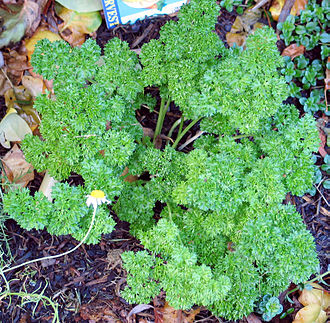
Biennials are less common than annuals or perennials, but they include many familiar species. Examples include members of the onion family (such as leeks), the cabbage family, common mullein, fennel, Lunaria, silverbeet, black-eyed Susan, colic weed, carrots, and some hollyhocks. Parsley is another common example of a biennial plant.
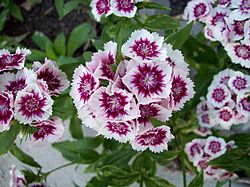
Other examples include the Sweet William Dwarf plant.
The way these plants are grown depends on the desired harvest:
- For flowers, fruits, or seeds: The plant is grown for the full two-year cycle.
- For edible leaves or roots: The plant is harvested after the first year, preventing it from running to seed.
Additionally, plant breeders have developed annual cultivars of certain biennials, such as stock and foxglove, which are engineered to flower in their first year from seed.
Key Facts
- Life Cycle: Typically takes two years to complete biological development.
- First Year: Focuses on vegetative growth and forming a rosette.
- Second Year: Characterized by bolting, flowering, and seed production.
- Vernalization: The necessary cold treatment required by many biennials to trigger flowering.
- Monocarpic Nature: True biennials flower and set seeds only once before dying.
Comparison of Plant Life Cycles
| Plant Type | Life Cycle Duration | Flowering Frequency |
|---|---|---|
| Annual | One growing season | Once |
| Biennial | Two years | Once (in the second year) |
| Perennial | More than two years | Typically every year once mature |
Frequently Asked Questions
What is the difference between a biennial and a perennial?
The main difference is the duration of the life cycle and the frequency of flowering. A biennial completes its life cycle in two years and flowers only once, while a perennial lives for more than two years and usually flowers every year after reaching maturity.
What does "bolting" mean in biennial plants?
Bolting is the process that occurs in the second year of a biennial's life, where the stem elongates rapidly to support flowers and seeds.
Why are some biennials grown as annuals?
Some biennials are treated as annuals if they are harvested for their edible roots or leaves after the first year, or if they undergo rapid life cycle completion due to early vernalization and extreme climatic conditions.
What is vernalization?
Vernalization is a cold treatment period that many biennial plants must experience during their first winter before they are biologically capable of flowering in the second year.
Can a biennial take longer than two years to mature?
Yes. In the wild, some biennial plants may take three or more years to complete their life cycle and produce seeds.