Beirut Port Explosion: Analysis of the 2020 Ammonium Nitrate Disaster
On August 4, 2020, at 18:08:18 EEST, the city of Beirut, Lebanon, was devastated by one of the largest non-nuclear explosions in history. The blast originated at the Port of Beirut, causing catastrophic damage to the city's infrastructure, claiming hundreds of lives, and displacing thousands of residents. The disaster was the result of a massive quantity of ammonium nitrate—a high-nitrogen compound used primarily in fertilizers and explosives—which had been stored unsafely for years.
The explosion was preceded by a fire that triggered a series of blasts, the second of which was the primary catastrophic event. The force of the explosion created a massive crater and sent shockwaves across the city, resulting in a humanitarian and economic crisis of unprecedented proportions for the Lebanese capital.
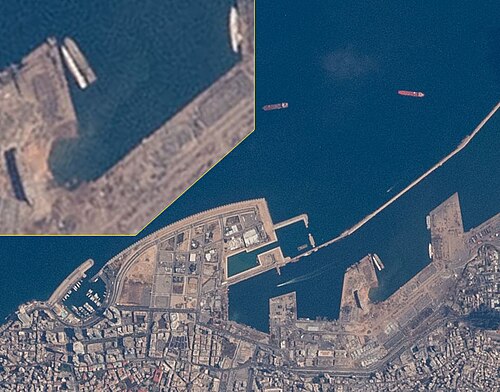
Key Facts
- Date and Time: August 4, 2020, at 18:08:18 EEST.
- Location: Port of Beirut, Lebanon.
- Primary Cause: Fire leading to the detonation of ammonium nitrate.
- Human Toll: 218 deaths and over 7,000 injuries.
- Economic Impact: Property damage estimated at over US$ 15 billion.
- Displacement: Approximately 300,000 people were left homeless.
The Path to Disaster: The MV Rhosus
The tragedy began years prior with the MV Rhosus, a cargo ship that arrived in Beirut carrying a massive shipment of ammonium nitrate. Due to various complications and legal disputes, the cargo was offloaded and stored in a port warehouse. This hazardous material remained in the port without proper safety protocols, creating a ticking time bomb in the heart of a densely populated urban area.
The Explosion Sequence and Yield
The disaster unfolded in stages. An initial fire broke out in the port area, leading to a first, smaller explosion. This fire eventually reached the warehouse containing the ammonium nitrate, triggering a second, massive detonation. This second blast produced a powerful shockwave and a characteristic reddish-brown cloud of nitrogen dioxide.
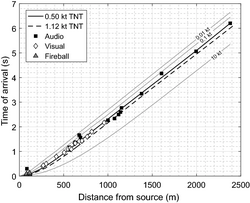
Scientific analysis of social media footage and seismic data helped determine the yield of the blast. Regression analysis of the time of arrival versus distance suggests a best estimate of 0.50 kt TNT, with a reasonable upper limit of 1.12 kt TNT.
Human and Material Impact
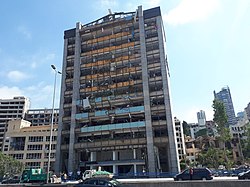
The explosion's impact was felt far beyond the port. The blast radius destroyed the port's grain silos and caused extensive damage to surrounding neighborhoods. Notable structures, such as the S. Dagher Building, suffered severe structural failure.
The human cost was global, as the port area and surrounding city were home to many foreign nationals. Syrian citizens suffered the highest number of fatalities among non-Lebanese victims, followed by Lebanese-Armenians and citizens from various other nations.
| Nationality | Deaths | Injured |
|---|---|---|
| Syria | 43 | - |
| Armenia (Lebanese-Armenians) | 13 | - |
| Bangladesh | 5 | 108 |
| Philippines | 4 | 42 |
| Egypt | 3 | - |
| Belgium | 2 | 4 |
| Canada | 2 | - |
Relief and International Response
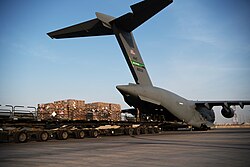
The international community responded rapidly to the crisis. Medical supplies were provided by the United States Air Force, and specialized urban search and rescue teams, including those from the Netherlands, were deployed to locate survivors in the rubble.
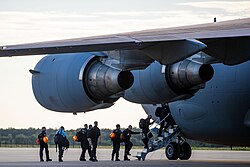
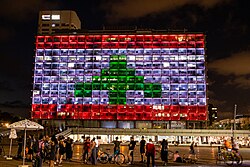
Global solidarity was expressed through symbolic gestures, such as the lighting of City Hall in Tel Aviv, Israel, and the Azadi Tower in Iran, with the colors of the Lebanese flag.

Investigation and Aftermath
The disaster led to widespread public anger and anti-government protests. In the wake of the blast, the Lebanese cabinet resigned, and several port officials and customs chiefs were placed under house arrest or arrested as part of the investigation into negligence and corruption.
Frequently Asked Questions
What caused the Beirut port explosion?
The explosion was caused by a fire that ignited a large stockpile of ammonium nitrate that had been stored unsafely in a port warehouse for several years.
How many people were killed and injured?
The disaster resulted in 218 deaths and more than 7,000 injuries.
What was the MV Rhosus?
The MV Rhosus was the cargo ship that originally brought the ammonium nitrate to the Port of Beirut before the material was offloaded into storage.
What was the estimated explosive yield of the blast?
Based on regression analysis of video footage, the best estimate for the yield is 0.50 kt TNT, with an upper limit of 1.12 kt TNT.
How much property damage was caused?
Property damage is estimated to be in excess of US$ 15 billion, with approximately 300,000 people displaced from their homes.