Beetles: The Biology and Diversity of Order Coleoptera
Beetles are among the most successful creatures on Earth. Belonging to the order Coleoptera, these insects are defined by their unique wing structure and an incredible ability to adapt to almost every environment on the planet. With approximately 400,000 described species, Coleoptera is the largest order of insects, accounting for nearly 40% of all described arthropods and 25% of all known animal species. Some estimates suggest the true number of species could range between 0.9 and 2.1 million.
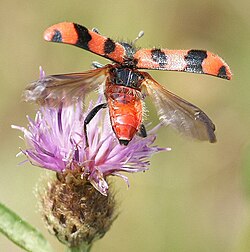
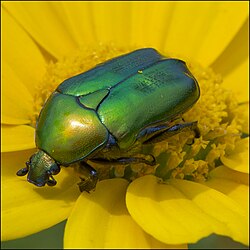
The defining characteristic of a beetle is its elytra—the front pair of wings that have evolved into hard, protective wing-cases. These elytra shield the delicate flight wings and the abdomen, allowing beetles to navigate harsh terrains, burrow into wood, or dive underwater without damaging their means of flight.
Key Facts
- Species Dominance: Coleoptera is the largest animal order, representing a quarter of all known animal species.
- Defining Feature: Hardened forewings called elytra protect the hind wings and body.
- Temporal Range: Beetles have existed from approximately 299 million years ago to the present.
- Diversity: They occupy nearly every trophic level, from detritivores to predators.
- Life Cycle: They undergo complete metamorphosis (holometabolism), passing through egg, larva, pupa, and adult stages.
Evolutionary History
The evolutionary journey of beetles spans nearly 300 million years. Early representatives, such as Moravocoleus permianus from the Early Permian of the Czech Republic, provide insight into the morphology of these ancient insects.
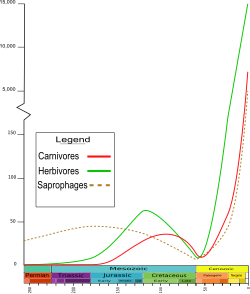
During the Permian and Triassic periods, most beetle genera were detritivores (organisms that feed on dead organic material). As they evolved through the Jurassic, herbivorous and carnivorous genera became more prevalent. By the Cenozoic era, beetles had diversified across all three trophic levels, leading to the massive variety of species seen today.
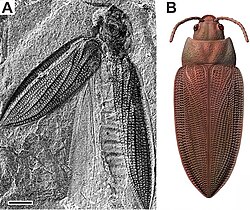
Some species have retained striking features over millions of years. For example, fossil buprestid beetles from the Eocene (50 million years ago) still exhibit their original structural coloration.
![Fossil buprestid beetle from the Eocene (50 mya) Messel pit, retaining its Structural coloration[45]](/images/28/67/28677ba429dba613c38ec21db9aa45a72055c9be54f1f2361219a42711a8a9c3.jpg)
External Morphology and Anatomy
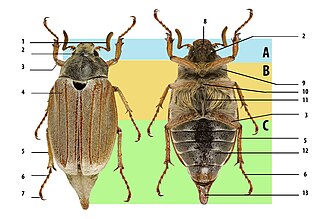
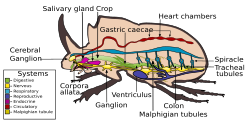
The beetle body is divided into three primary sections: the head, the thorax, and the abdomen. This structure provides a robust framework for various specialized appendages.
The Head and Sensory Organs
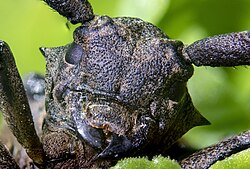
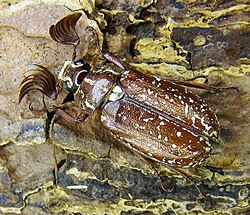
The head houses the mouthparts and sensory organs. Beetles possess compound eyes and antennae, which vary significantly between species. Some, like Polyphylla fullo, have fan-like antennae, while others have forms adapted for specific environmental cues.
Thorax and Locomotion
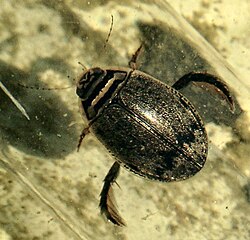
The thorax is the engine room of the beetle, supporting the legs and wings. Depending on their habitat, legs are highly specialized. Diving beetles, such as Acilius sulcatus, have hind legs adapted as swimming limbs.
Wings and Abdomen
When taking flight, beetles lift their stiff elytra away from their bodies to deploy the functional flight wings. The abdomen contains the primary internal organs and, in aquatic species, specialized spiracles (respiratory openings) that can hold air bubbles for underwater breathing.

Reproduction and Life Cycle
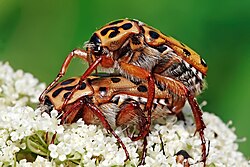
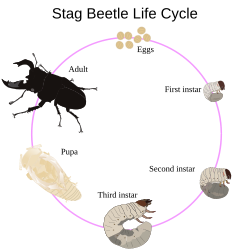
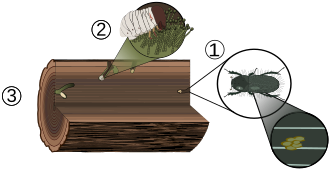
Beetles are holometabolous, meaning they undergo a complete four-stage life cycle: egg, larva, pupa, and adult. This allows the larval and adult stages to occupy different ecological niches, reducing competition for resources.
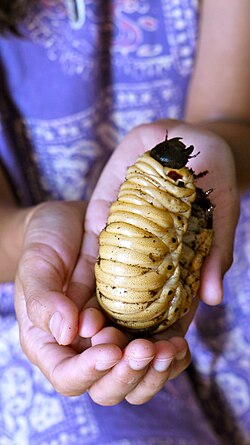
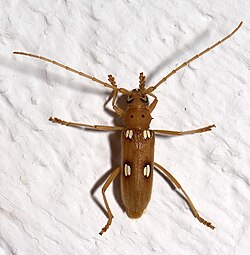
The larval stage can vary wildly in duration and form. While some develop quickly, others, like the ivory-marked beetle (Eburia quadrigeminata), can live as larvae inside hardwoods for up to 40 years.
Ecology and Behavior
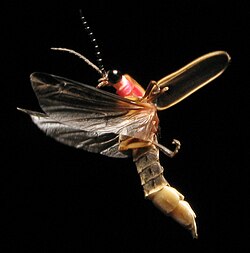
Beetles exhibit a vast array of behaviors and ecological roles. Some are famous for their communication, such as the firefly (Photinus pyralis), which uses bioluminescence to attract mates.
Feeding and Mutualism
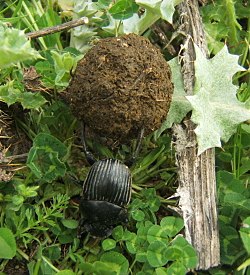
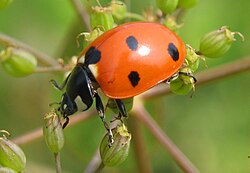
Feeding habits range from the coprophagy (dung-eating) of scarabs to the predatory nature of ladybugs (Coccinella septempunctata), which are beneficial to agriculture. Some beetles engage in complex mutualism; for instance, ambrosia beetles carry fungal spores in specialized organs called mycangia to grow food for their larvae inside wood.
Survival Adaptations
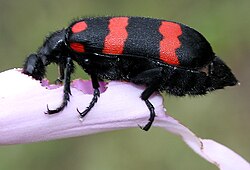
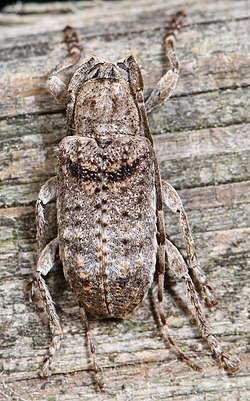
To avoid predation, beetles use camouflage, mimicry, and aposematism (warning coloration). Some species are also capable of massive migrations; the Mountain Pine Beetle, for example, can fly between 30 and 110 km per day during outbreaks.
Relationship with Humans
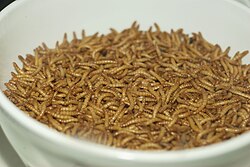
Humans have a complex relationship with beetles. In ancient Egypt, the scarab was a powerful religious symbol. In modern times, while some species like the Colorado potato beetle are serious agricultural pests, others are used as biodiversity indicators or even as a source of protein for human consumption.
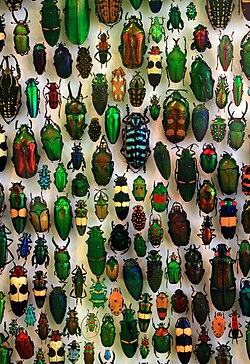
Beetles have also inspired a passion for collecting. The naturalist Alfred Russel Wallace famously collected 83,200 beetles during his time in the Malay Archipelago, including 2,000 species new to science.
!["Remarkable Beetles Found at Simunjon, Borneo".[c] A few of the 2,000 species of beetle collected by Alfred Russel Wallace in Borneo](/images/3b/fe/3bfe35e3b5eb146858c6bd5721415f6da6f08acdf0eaa8e50f3a2af857e4874f.jpg)
| Feature | Description |
|---|---|
| Order | Coleoptera |
| Key Anatomy | Elytra (hardened forewings) |
| Metamorphosis | Complete (Egg → Larva → Pupa → Adult) |
| Estimated Species | 0.9 to 2.1 million |
| Primary Roles | Detritivores, Herbivores, Predators, Pollinators |
Frequently Asked Questions
What makes a beetle different from other insects?
The primary difference is the presence of elytra, which are hardened front wings that act as protective covers for the hind wings and the abdomen.
How many species of beetles are there?
There are approximately 400,000 described species, but scientists estimate the total number of species could be between 0.9 and 2.1 million.
Do all beetles fly?
While most beetles have flight wings protected by elytra, their ability to fly varies by species, and some have adapted their limbs for swimming or burrowing instead.
What is the life cycle of a beetle?
Beetles undergo complete metamorphosis, consisting of four distinct stages: the egg, the larva (grub), the pupa, and finally the adult beetle.
Are beetles beneficial to humans?
Yes, many are. Predatory beetles help control agricultural pests, dung beetles improve soil hydrological properties, and others serve as important biodiversity indicators.