Battle of Tippecanoe: The Clash at Prophetstown
In November 1811, tensions between the United States and a confederation of Native American tribes reached a breaking point. Led by William Henry Harrison, American forces marched toward Prophetstown, the stronghold of the Shawnee religious leader Tenskwatawa, known as the Prophet. What followed was a violent pre-dawn encounter that would leave a lasting mark on the frontier of the American Midwest.
The Approach and Camp Preparations
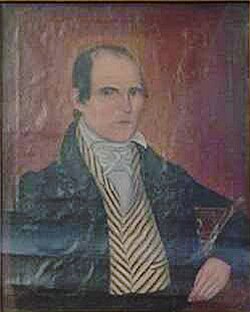
On November 6, Harrison's forces arrived at Burnett's Creek in present-day Battleground, Indiana. Although a meeting with Tenskwatawa was scheduled for the following day, Harrison believed that negotiations would be futile. Acting on the advice of his Aide-de-camp, Joseph Bartholomew, Harrison ordered his troops to sleep fully dressed and armed.
The American camp was organized into pickets along battle lines, with blazing fires kept alight despite the rain to provide illumination. While Harrison chose not to erect formal fortifications, he secured the perimeter with two companies of sentries. The southern end was guarded by Captain Spier Spencer's Indiana Yellow Jackets—riflemen distinguished by their light-colored buckskins. The rest of the militia formed an irregular rectangle along the surrounding bluff, while regulars and dragoons were held in reserve under the command of Major Floyd, Major Daveiss, and Captain Benjamin Parke.
The Catalyst for Conflict
The lead-up to the battle was marked by mutual suspicion and failed espionage. Tenskwatawa's followers, fearing an imminent American attack, had begun fortifying their town. During a council on the night of November 6, Tenskwatawa reportedly agreed to a preemptive strike, including a covert mission to assassinate Harrison in his tent. To embolden his warriors, the Prophet claimed he would cast spells to protect them from harm and sow confusion among the enemy.
This plan was nearly realized when a wagon driver named Ben, who had deserted Harrison's army to join the Shawnees, attempted to lead warriors through the American lines. However, Ben was captured by sentries and later convicted of treason, though Harrison eventually pardoned him.
![Prophet's Rock near the Tippecanoe battleground about 1902. Tenskwatawa is thought to have sung or chanted from this rock to exhort his warriors against Harrison's forces.[34]](/images/28/76/2876f7a0751551d339effafad4f652099e1a7de25c56aca4e8f4aa56cd7f6aeb.jpg)
The Pre-Dawn Assault
The battle erupted in the early hours of November 7. While accounts vary on the exact trigger, some reports suggest the shooting of two Winnebago (Ho-Chunk) warriors by American sentries sparked the attack. Around 4:30 a.m., the soldiers awoke to scattered gunshots and found themselves nearly encircled.
The fighting began on the left flank before spreading to the front, right, and rear of the camp. The initial onslaught was fierce; Captain Robert Barton's regulars and Captain Frederick Geiger's Kentucky militia were unable to hold their positions. Harrison was forced to replace them with the Indiana militia under Lieutenant Peters, as their previous commander, Wentworth, fell in the first wave of attacks.
The warriors, led by war chiefs White Loon and Stone Eater, attacked in a disorganized fashion after losing the element of surprise. Tenskwatawa observed the carnage from a small hill overlooking the field. Despite the chaos, some warriors managed to crawl through the woods on their stomachs to fire upon the American lines.
The Turning Point and Aftermath
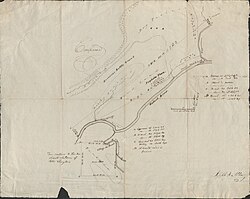
The fighting was most intense at the rear of the camp, where the Indiana Yellow Jackets faced heavy fire. Their leader, Captain Spencer, was killed after being shot multiple times while urging his men to fight valiantly. Harrison managed to seal the breach by deploying reserve companies under Captain Robb to support the remaining officer, Ensign John Tipton.
As the sun rose, the warriors began to run low on ammunition and their numbers dwindled. The forces eventually dispersed into the woods, where American troops pursued them and discovered 36 dead warriors.
The aftermath was brutal. On November 8, Harrison found Prophetstown deserted, save for one sick elderly woman. He ordered the village burned, destroying 5,000 bushels of corn and beans. In a final act of desecration, the American forces dug up the village cemetery. In retaliation, returning villagers later dug up and scattered the bodies of fallen American soldiers.
Key Facts
- Date: November 7, 1811.
- Location: Burnett's Creek, Battleground, Indiana.
- American Casualties: 188 total (37 killed in action, 25 mortally wounded, 126 wounded).
- Native American Casualties: Estimated 50 killed and 70 to 80 wounded.
- Key Figures: William Henry Harrison (US), Tenskwatawa (Shawnee).
- Outcome: Destruction of Prophetstown and a tactical American victory.
| Category | American Forces | Native American Forces |
|---|---|---|
| Commanders | William Henry Harrison | Tenskwatawa (The Prophet) |
| Key Units | Indiana Yellow Jackets, Regulars, Dragoons | Shawnee, Ho-Chunk (Winnebago) |
| Casualties | 188 (62 dead/mortally wounded) | ~120-130 (50 dead) |
| Tactical Result | Held position; burned Prophetstown | Retreated; village destroyed |
Frequently Asked Questions
Who was Tenskwatawa?
Tenskwatawa, known as the Prophet, was a Shawnee religious leader who sought to unite Native American tribes against American expansion. He claimed to have spiritual powers and promised his warriors protection through spells during the battle.
What were the Indiana Yellow Jackets?
The Indiana Yellow Jackets were a militia unit known for wearing light-colored buckskins. They suffered the highest casualties of the battle, with nearly all of their officers killed.
How did the battle start?
While accounts differ, it is believed that sentries shot two Winnebago warriors in the pre-dawn hours, which provoked a larger attack. Tenskwatawa had also previously agreed to a preemptive strike and an assassination attempt on Harrison.
What happened to Prophetstown after the battle?
Harrison ordered the village burned on November 8, including the destruction of 5,000 bushels of corn and beans. The village cemetery was also desecrated by American troops.
Why did the Native American warriors retreat?
The warriors lost the element of surprise, attacked in a disorganized manner, and eventually ran low on ammunition as the sun rose, leading them to disperse into the woods.