Barrio Vila Station: A Legacy of Rosario's Railway History
Located in the western reaches of Rosario, Santa Fe, the Barrio Vila station stands as a silent witness to the golden age of Argentine rail transport. Situated in the Belgrano neighborhood, this former inter-city hub once connected local communities to the broader economic arteries of the region. While it no longer welcomes passengers, its history reflects the broader evolution of Argentina's infrastructure, from British private enterprise to nationalization.
Key Facts
- Location: Belgrano neighborhood, Rosario, Argentina.
- Opened: April 1891.
- Closed: 1977.
- Original Operator: Central Argentine Railway.
- Current Status: Closed for passengers; used for freight by Nuevo Central Argentino.
The Origins of Barrio Vila
The station first opened its doors in April 1891 in the town of Eloy Palacios. It was constructed by the British-owned Central Argentine Railway as a critical stop on the line stretching from Ludueña (Rosario) to Peyrano, located on the border of the Buenos Aires Province.
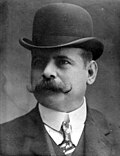
The development of the area was driven by Nicasio Vila, an entrepreneur and owner of the "Compañía de Tramways del Oeste." This horse tramway company—a system of rail-based carriages pulled by horses—established the initial connection between Rosario and Eloy Palacios, laying the groundwork for the town's growth.
From Eloy Palacios to Barrio Vila
The identity of the location shifted in 1906 when the municipality of Rosario officially renamed the town "Barrio Vila." This change aligned the town's name with that of the railway station, cementing the legacy of the entrepreneur who helped develop the region.
Operational Evolution and Nationalization
For over half a century, the station operated under the management of the Central Argentine Railway. However, the landscape of Argentine transport changed significantly in 1949 following the nationalization of the railways. At this point, management transitioned to Ferrocarriles Argentinos, specifically under the General Bartolomé Mitre Railway division.
The decline of passenger rail services in the region eventually led to the station's closure in 1977. While the platforms have remained silent for nearly five decades, the tracks themselves remain active. Today, the private company Nuevo Central Argentino utilizes the line exclusively for freight transport.
| Attribute | Details |
|---|---|
| Coordinates | 32°56′29.26″S 60°42′27.79″W |
| Line | Mitre |
| Ownership | Government of Argentina |
| Operational Period | 1891–1977 |
| Current Use | Freight transit only |
Historic Operators
The management of the station can be divided into two primary eras:
- Central Argentine (1891–1948): The British-owned era of construction and early expansion.
- Ferrocarriles Argentinos (1948–1977): The era of state ownership and eventual closure of passenger services.
Frequently Asked Questions
Where is Barrio Vila station located?
It is located in the Belgrano neighborhood in the west of Rosario, Santa Fe, Argentina.
Who founded the town where the station was built?
The town was founded by Nicasio Vila, the owner of the horse tramway company "Compañía de Tramways del Oeste."
When did the station stop serving passengers?
The station was closed in 1977 as part of a broader elimination of passenger services.
Is the railway line still in use today?
Yes, although the station is closed, the line is still used by the freight company Nuevo Central Argentino.
What was the original name of the town?
The town was originally called Eloy Palacios before being renamed Barrio Vila in 1906.