Barcelona 1992 Summer Olympics: A Legacy of Sport and Urban Transformation
The 1992 Summer Olympics, held in the vibrant city of Barcelona, Spain, remain one of the most iconic chapters in sporting history. Guided by the motto "Friends for Life" (Spanish: Amigos para siempre; Catalan: Amics per sempre), the Games served as a global celebration of athleticism and a catalyst for the modernization of the host city.
Opened by King Juan Carlos I on July 25, 1992, and closed by IOC president Juan Antonio Samaranch on August 9, the event brought together 9,356 athletes from 169 nations. The Games were characterized by a spirit of internationalism and the introduction of legendary teams and athletes who would define a generation of sport.
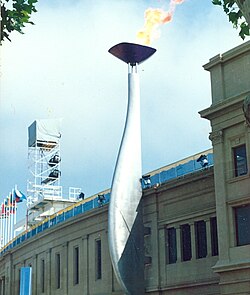
Key Facts
- Host City: Barcelona, Spain
- Dates: July 25 to August 9, 1992
- Participation: 9,356 athletes (6,652 men, 2,704 women) from 169 nations
- Scope: 257 events across 25 sports and 34 disciplines
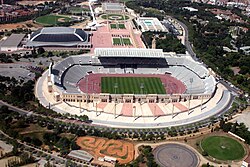
- Main Stadium: Estadi Olímpic de Montjuïc
- Opening Ceremony: Performed by King Juan Carlos I
The Road to Barcelona
The selection of Barcelona as the host city was the result of a competitive bidding process. Barcelona emerged victorious over other major contenders, including Paris, Belgrade, and Brisbane. The city's victory was secured through a strong showing in the final round of voting, where it received 47 votes, significantly outpacing Paris (23) and Brisbane (10).
Olympic Venues and Infrastructure
The 1992 Games were distributed across several key areas of the city, utilizing both new constructions and existing facilities to optimize the athlete and spectator experience.
Montjuïc Area
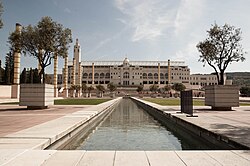
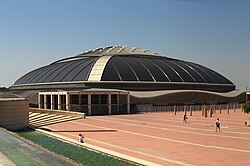
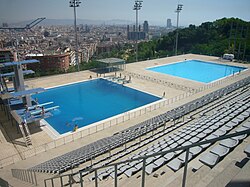
The Montjuïc hill served as the heart of the Games. The Estadi Olímpic de Montjuïc hosted the opening and closing ceremonies as well as athletics. Other key facilities included the Palau Sant Jordi for gymnastics, volleyball, and handball, and the Piscina Municipal de Montjuïc for diving and water polo.
Diagonal and Vall d'Hebron Areas
The Diagonal Area featured the famous Camp Nou for the football final and the Real Club de Polo de Barcelona for equestrian events. Meanwhile, the Vall d'Hebron Area focused on technical sports, including the Velodrome for track cycling and the Tennis de la Vall d'Hebron.
Outlying and Specialized Venues
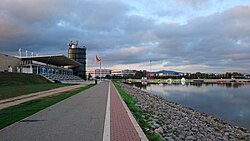
Certain events required specialized environments. Rowing took place at Banyoles Lake, while canoeing (sprint) was held at the Canal Olímpic de Catalunya. Sailing events were hosted at the Olympic Harbour in the Parc de Mar Area.
Athletic Highlights and Participation
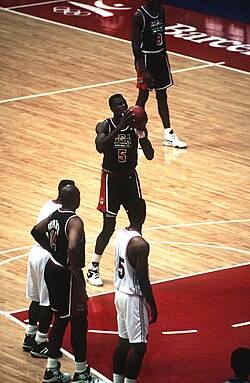
The 1992 Games are perhaps most remembered for the debut of the United States "Dream Team," featuring professional NBA players who dominated the basketball competition.
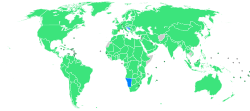
The scale of participation was immense, with the United States sending the largest delegation (545 athletes), followed by the Unified Team (475) and Germany (463). The Games featured a diverse array of sports, from traditional athletics and swimming to baseball and judo.
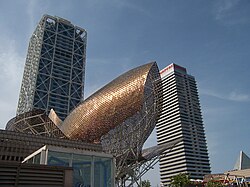
Beyond the sports, the city's aesthetic was enhanced by modern art and architecture, such as Frank Gehry's Fish sculpture located near the Olympic Village.
Summary of the 1992 Games
| Category | Details |
|---|---|
| Total Athletes | 9,356 |
| Participating Nations | 169 |
| Total Events | 257 |
| Number of Sports | 25 |
| Opening Date | July 25, 1992 |
| Closing Date | August 9, 1992 |
Frequently Asked Questions
Who lit the Olympic cauldron in 1992?
The Olympic cauldron was lit by Antonio Rebollo.
How many athletes participated in the Barcelona Games?
A total of 9,356 athletes participated, consisting of 6,652 men and 2,704 women.
Which nations sent the largest delegations?
The United States sent the most athletes (545), followed by the Unified Team (475) and Germany (463).
What was the motto of the 1992 Summer Olympics?
The motto was "Friends for Life" (Amigos para siempre in Spanish and Amics per sempre in Catalan).
Where were the opening and closing ceremonies held?
The ceremonies took place at the Estadi Olímpic de Montjuïc.