Baltimore: The Vibrant Heart of Maryland
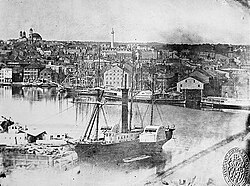
Known affectionately as Charm City, Baltimore is a historic independent city in Maryland that blends a rich maritime legacy with a modern urban identity. Founded on August 8, 1729, and named after Cecil Calvert, 2nd Baron Baltimore, the city has evolved from a colonial town into a major American hub of commerce, education, and culture.
As an independent city, Baltimore operates separately from any county government, managing its own administrative affairs through a mayor-council system. Today, it serves as the largest city in Maryland and a critical gateway for international trade via its expansive port.
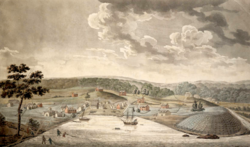
Key Facts
- Founded: August 8, 1729
- Population: 585,708 (2020 Census)
- Status: Independent City
- Major Nicknames: Charm City, B'more, Mobtown
- Key Economic Driver: The Port of Baltimore
- Notable Institution: Johns Hopkins University (the nation's first research university)
A Journey Through History
Baltimore's history is deeply intertwined with the birth of the United States. One of its most defining moments occurred during the Battle of Baltimore in 1814, where the defense of Fort McHenry inspired Francis Scott Key to write the poem that would eventually become the national anthem, the "Star Spangled Banner."
![An American flag flying at Fort McHenry following the fort's bombing by the Royal Navy in the Battle of Baltimore in 1814 inspired Francis Scott Key to write the poem that later became the "Star Spangled Banner".[55]](/images/e2/ff/e2ff4d5f31be794d22b0c93030c7e0c1c160b52703ac56e4e8d9791025ad68db.jpg)
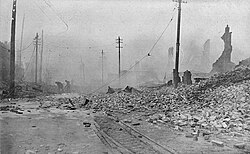
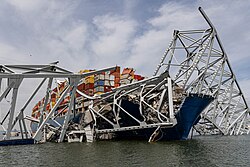
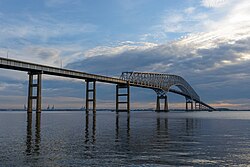
The city has weathered significant challenges over the centuries, including the Great Baltimore Fire of 1904, which destroyed over 1,500 buildings in just 30 hours. It also saw periods of intense social unrest, such as the railroad strikes of 1877. In more recent years, the city has faced infrastructure tragedies, including the 2024 collapse of the Francis Scott Key Bridge after being struck by the MV Dali.
![The 6th Cavalry Regiment fighting railroad strikers in Baltimore on July 20, 1877[56]](/images/43/9d/439dee50beb7a917351f1592df977c742ae7cdbc5d3e8d54266695c13ff93216.jpg)
Geography and Urban Landscape
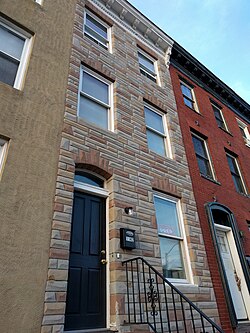
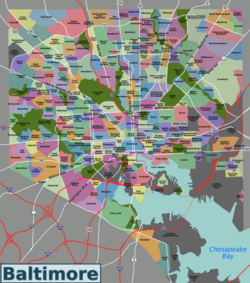
Baltimore covers approximately 92.05 square miles, with a significant portion of its landscape defined by water. The city's architecture is a mix of historic and modern styles, featuring iconic Italianate rowhouses often clad in formstone (a simulated stone veneer popular in the mid-20th century).
Climate
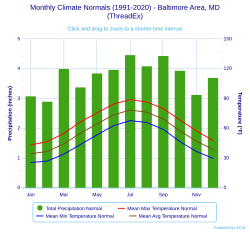
The city experiences a temperate climate with distinct seasons. Summers are typically hot and humid, while winters bring cooler temperatures and occasional snowfall. The average annual precipitation is approximately 43 to 45 inches.
Demographics and Society
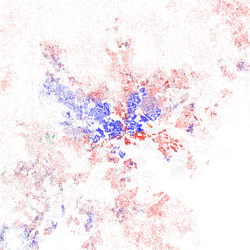
Baltimore is a diverse metropolis with a complex racial and ethnic profile. According to 2020 data, the population is approximately 62.4% Black or African American and 31.9% White. The Hispanic or Latino community has seen growth, reaching 6.0% of the population by 2020.
Education and Innovation
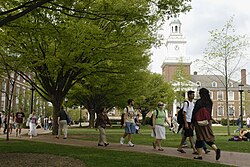
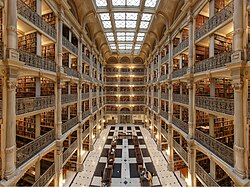
The city is a global leader in education and medical research. It is home to Johns Hopkins University, the first research university in the United States, as well as the Bloomberg School of Public Health and the Peabody Institute.
Culture, Landmarks, and Recreation
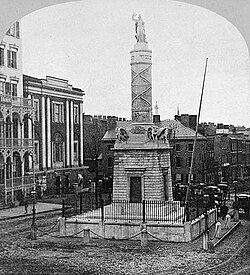
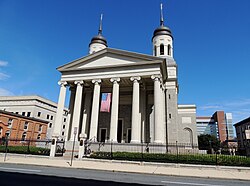
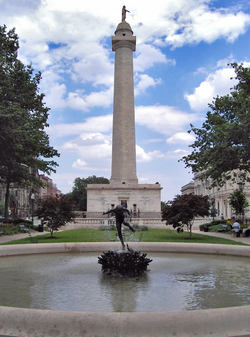
From its spiritual landmarks to its sporting arenas, Baltimore offers a wide array of attractions. The Baltimore Basilica stands as the first Catholic cathedral built in the United States, while the Washington Monument (erected in 1815) honors the first U.S. president.
Arts and Entertainment
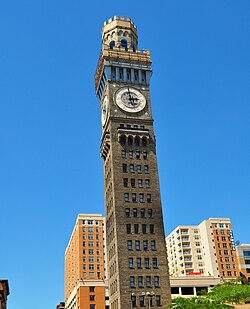
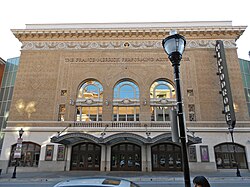
The city's skyline is punctuated by unique structures like the Emerson Bromo-Seltzer Tower, which now provides studio spaces for artists. For theater lovers, the Hippodrome Theatre remains a central cultural venue.
Sports and Leisure
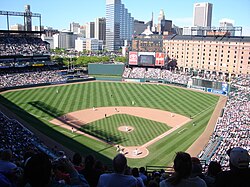
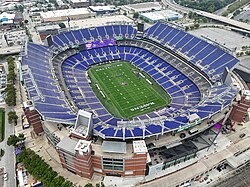
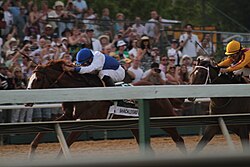
Baltimore is a passionate sports town. It hosts the Baltimore Orioles at Oriole Park at Camden Yards and the Baltimore Ravens at M&T Bank Stadium. Additionally, the city is famous for the Preakness Stakes, the second leg of the Triple Crown, held every May at Pimlico Race Course.
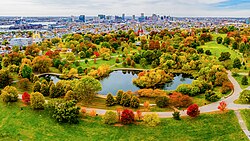
For outdoor recreation, Patterson Park provides a sprawling green space for residents and visitors alike.
Government and Infrastructure
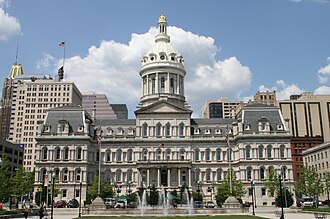
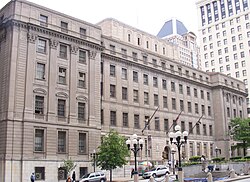
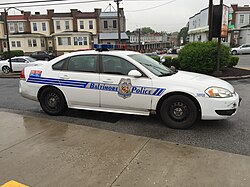
The city is governed by a Mayor and the Baltimore City Council. Politically, the city leans heavily Democratic, with over 75% of registered voters affiliated with the party as of March 2024.
Transportation and Trade
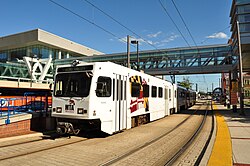
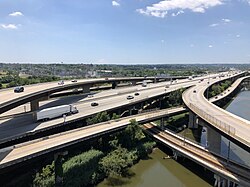
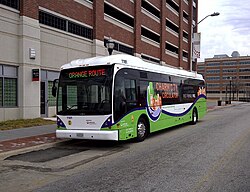
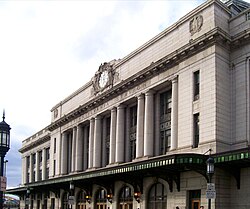
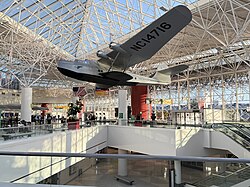
Baltimore's transportation network includes the Light RailLink, the Charm City Circulator, and the bustling Pennsylvania Station. The Port of Baltimore remains one of the most vital economic engines for the region, facilitating global trade.
The Inner Harbor and Environment
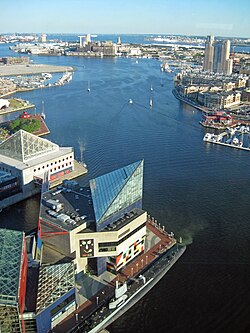
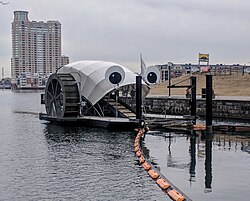
The Inner Harbor is the city's most famous waterfront destination, featuring the National Aquarium and various tourist attractions. To combat pollution, the city has implemented innovative solutions like "Mr. Trash Wheel," a trash interceptor at the mouth of the Jones Falls River.
City Overview Summary
| Category | Detail |
|---|---|
| Founded | 1729 |
| Government Type | Mayor-Council (Independent City) |
| Land Area | 80.95 sq mi |
| 2020 Population | 585,708 |
| Nominal GDP (2023) | $61.954 billion |
| Primary Airport | BWI Thurgood Marshall Airport |
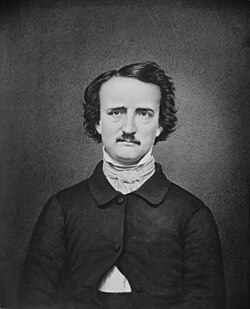
Baltimore's literary legacy is also notable, particularly as the home of Edgar Allan Poe, whose influence continues to be felt in the city's cultural fabric.
Frequently Asked Questions
What does "Independent City" mean for Baltimore?
Being an independent city means that Baltimore is not part of any county. It functions as both a city and a county-level entity for administrative and legal purposes.
What is the significance of the Inner Harbor?
The Inner Harbor is a central hub for tourism and commerce, featuring the National Aquarium and serving as a focal point for the city's waterfront redevelopment.
Which major sports teams are based in Baltimore?
Baltimore is home to the Baltimore Orioles (MLB) and the Baltimore Ravens (NFL), as well as the historic Pimlico Race Course for the Preakness Stakes.
What is "Mr. Trash Wheel"?
Mr. Trash Wheel is an innovative trash interceptor located at the mouth of the Jones Falls River in the Inner Harbor, designed to remove debris from the water before it enters the Chesapeake Bay.
What are some of the top educational institutions in Baltimore?
The city is home to several prestigious institutions, most notably Johns Hopkins University, as well as Morgan State University, Coppin State University, and the University of Maryland, Baltimore.