Ballon d'Or: The History and Evolution of Football's Most Prestigious Individual Award
The Ballon d'Or stands as the most coveted individual prize in world football, recognizing the best performing player of the season. Established by France Football, the award has evolved from a regional European honor into a global phenomenon that captures the imagination of millions of fans and athletes alike.
Conceived by sports writers Gabriel Hanot and Jacques Ferran, the award was first presented on December 18, 1956. Since its inception, it has mirrored the growth of the sport, expanding its eligibility and refining its voting processes to ensure it remains the definitive benchmark of excellence in football.

Key Facts
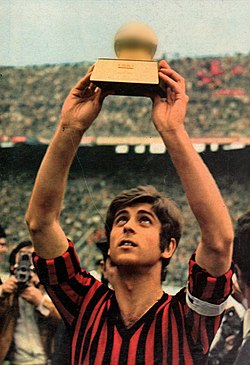
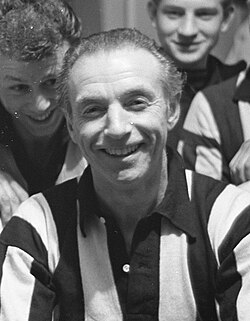
- Inaugural Winner: Stanley Matthews (1956).
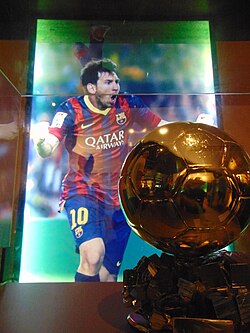
- Most Wins: Lionel Messi holds the record with 8 awards.
- Most Nominations: Cristiano Ronaldo has been nominated a record 18 times.
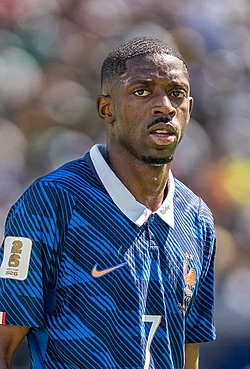
- Current Holder: Ousmane Dembélé.
- Oldest Winner: Stanley Matthews, aged 41 years and 321 days.
- Youngest Winner: Ronaldo (Brazilian), aged 21 years and 96 days.
The Evolution of Eligibility and Voting
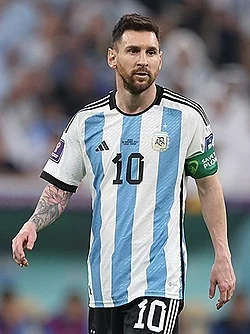
The Ballon d'Or has undergone several significant transformations since 1956 to reflect the global nature of the game. Originally, the award was known as the European Footballer of the Year and was restricted exclusively to European players. Voting was handled solely by football journalists.
In 1995, the criteria expanded to include any player of any origin, provided they were active at a European club. It wasn't until 2007 that the prize became truly global, making all professional footballers eligible regardless of their league or nationality.
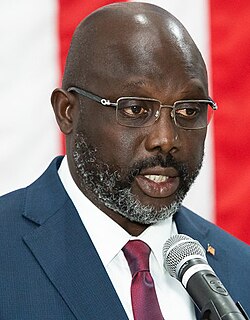
Changes in Voting and Governance
The voting process has shifted over the decades. While journalists have always been central, coaches and national team captains were granted voting rights between 2007 and 2016. In 2022, France Football introduced a major rule change: the award now evaluates performance based on a football season rather than a calendar year. Additionally, a specialized international jury—consisting of one representative from each of the top 100 countries in the FIFA Men's World Ranking—now determines the winner.
Since 2024, UEFA has co-organized the Ballon d'Or gala, although France Football retains the voting system and the official name of the award.
Legendary Winners and Milestones
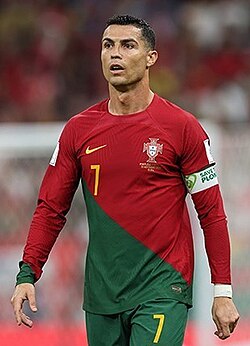
The history of the Ballon d'Or is defined by the legendary figures who have claimed the trophy. While forwards often dominate the headlines, the award has recognized excellence across all positions.
Position-Specific Pioneers
- Midfielders: Luis Suárez was the first midfielder to win the award.

Luis Suárez was the first midfielder to win the award. - Defenders: Franz Beckenbauer is the only defender to have won the trophy twice.
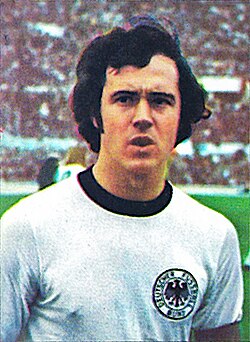
Franz Beckenbauer is the only defender to have won the award twice. - Goalkeepers: Lev Yashin remains the only goalkeeper in history to be crowned the winner.

Lev Yashin is the only goalkeeper to have won the award.
The Era of Dominance
The modern era has been characterized by the unprecedented rivalry between Lionel Messi and Cristiano Ronaldo. Between 2008 and 2023, the duo claimed a staggering thirteen trophies between them. Messi holds the record for the most consecutive wins, securing four trophies between 2009 and 2012.
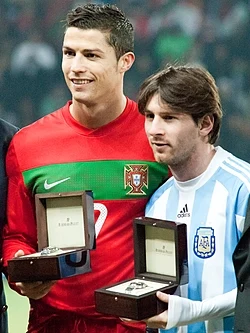
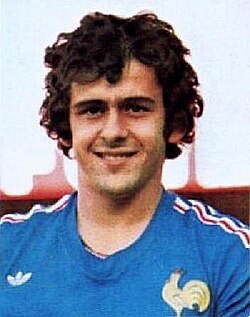
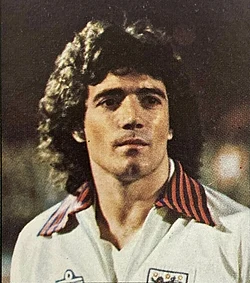
Other notable streaks include Michel Platini, who won three consecutive awards from 1983 to 1985, and Kevin Keegan, who won back-to-back titles in 1978 and 1979.
Special Awards and Retrospective Honors
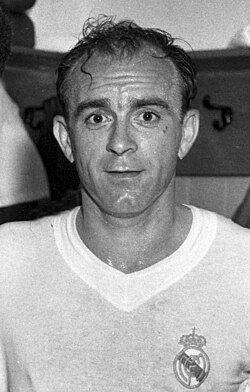
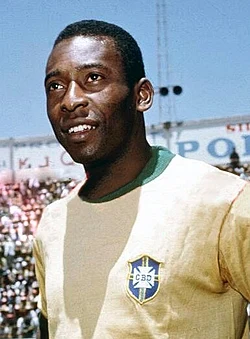
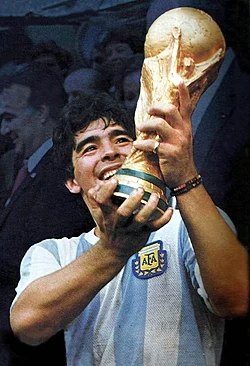
Beyond the annual trophy, several special distinctions exist. The Super Ballon d'Or is an exceptionally rare prize, won only once by Alfredo Di Stéfano in 1989. Other honors include the Football Player of the Century, awarded to Pelé in 1999, and the Golden Ballon d'Or, given to Diego Maradona in 1995.
In 2016, to mark the 60th anniversary, France Football conducted a reevaluation of the pre-1995 era. They determined that if non-Europeans had been eligible, 12 of the 39 awards would have gone to South Americans, including seven for Pelé and two for Maradona. However, the original historical records remain unchanged.
The Ballon d'Or Dream Team
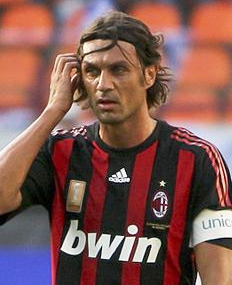
The Ballon d'Or Dream Team is a curated selection of the greatest players in the award's history. This legendary lineup includes icons such as Paolo Maldini and other historic winners who shaped the game.
Ballon d'Or Summary
The following table summarizes the key milestones and records of the award.
| Category | Detail / Record Holder | Note |
|---|---|---|
| Most Wins (Men) | Lionel Messi | 8 Awards |
| Most Nominations | Cristiano Ronaldo | 18 Nominations |
| First Winner | Stanley Matthews | 1956 |
| Only Goalkeeper Winner | Lev Yashin | Unique achievement |
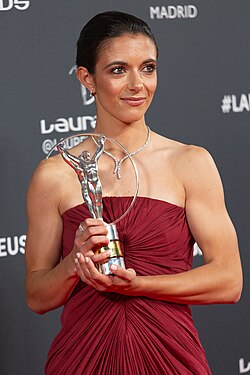
| Women's Record | Aitana Bonmatí | 3 wins (2023-2025) |
| Governing Body | France Football / UEFA | UEFA co-organizes gala since 2024 |
Frequently Asked Questions


What are the main criteria for winning the Ballon d'Or?
The award is based on three primary criteria: individual performances (including decisive and impressive character), team performances, and overall achievements during the football season.
Was the Ballon d'Or ever merged with other awards?
Yes. Between 2010 and 2015, the award was merged with the FIFA World Player of the Year to create the FIFA Ballon d'Or. The partnership ended in 2016, and the awards returned to being separate entities.
Why was there no Ballon d'Or in 2020?
Groupe Amaury, the parent company of France Football, decided not to give an award in 2020 due to the significant impact of the COVID-19 pandemic on association football. Many analysts believe Robert Lewandowski would have won that year.
Who is the youngest player to ever win the award?
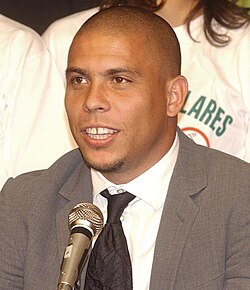
The Brazilian Ronaldo holds the record as the youngest recipient, winning the award at the age of 21 years and 96 days.
How has the voting system changed recently?
In 2022, the award shifted from a calendar-year basis to a football-season basis. Additionally, the voting is now conducted by an international jury of specialized journalists, with one representative from each of the top 100 FIFA-ranked countries.