Kingdom of Bahrain
The Kingdom of Bahrain, known in Arabic as Mamlakat al-Baḥrayn, is an island nation situated in the Persian Gulf. Its name literally translates to "Two Seas," reflecting its maritime identity. As a unitary constitutional monarchy, Bahrain blends deep-rooted historical traditions with a modern, high-income economy, serving as a strategic hub for finance and trade in the Middle East.
From its ancient burial mounds to the gleaming skyscrapers of Manama, Bahrain represents a unique intersection of diverse cultures and eras. Today, it is recognized for its very high Human Development Index (HDI) and its role as a major non-NATO ally in the region.
Key Facts
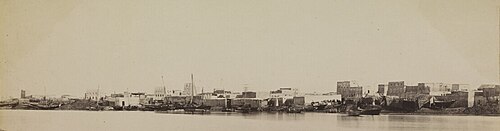
- Capital: Manama
- Official Language: Arabic
- Government: Unitary constitutional monarchy
- Currency: Bahraini dinar (BHD)
- Independence: August 15, 1971 (from the United Kingdom)
- Population Density: 6th highest in the world (1,864/km²)
- Official Religion: Islam
History and Heritage
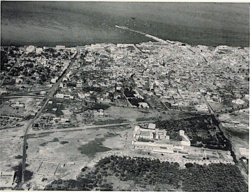
Antiquity and the Arrival of Islam
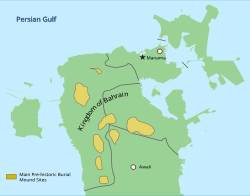
Bahrain's history stretches back to antiquity, evidenced by an estimated 350,000 ancient burial mounds scattered across the islands.
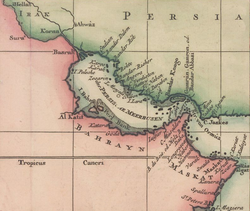
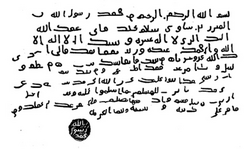
The arrival of Islam in the 7th century marked a pivotal shift. A facsimile of a letter sent by Muhammad to Munzir ibn-Sawa al-Tamimi, the governor of Bahrain in AD 628, is preserved today at the Beit al-Qur'an Museum.
Middle Ages to the Modern Era
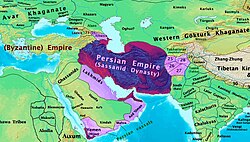
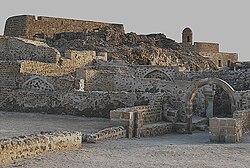
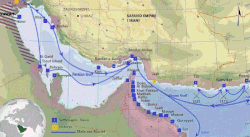
Before the Arab conquests, the region was influenced by the Sassanid Persian Empire. Later, in the early modern era, the Portuguese established control, ruling from 1521 to 1602 and leaving behind architectural legacies such as the Fort of Barém.
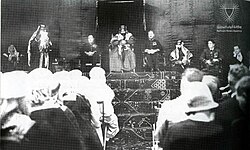
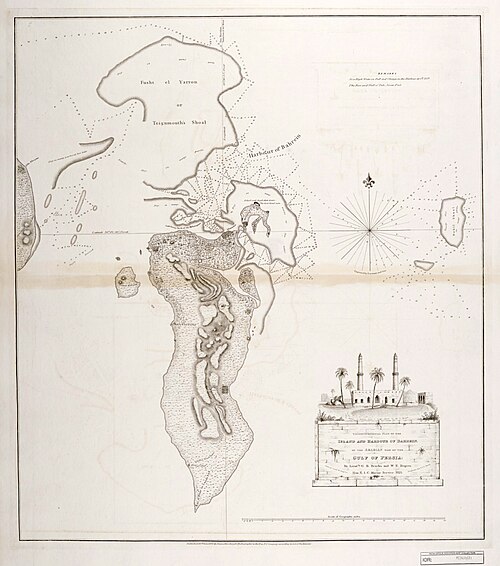
The Al Khalifa dynasty established its rule in 1783. Throughout the 19th and early 20th centuries, Bahrain evolved under British influence until it declared independence on August 14, 1971. In 2002, the state was officially declared the Kingdom of Bahrain.
Geography and Environment
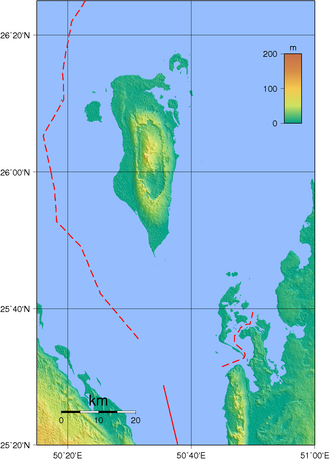
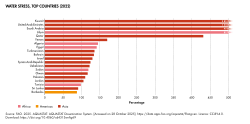
Bahrain is a small archipelago with a total area of 786.8 km². Its topography is generally flat, though it faces significant environmental challenges. In 2022, Bahrain was ranked as the tenth most water-stressed country globally.
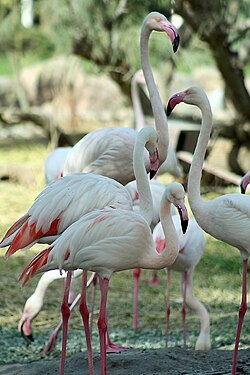
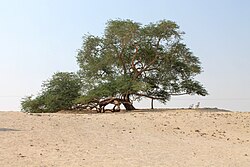
Despite the arid climate, the islands host unique biodiversity. The country has five designated protected areas, four of which are marine. Notable wildlife includes the native Greater flamingo (Phoenicopterus roseus) and the "Tree of Life," a 400-year-old Prosopis cineraria tree that survives in the desert.
Government and Society
Political Structure
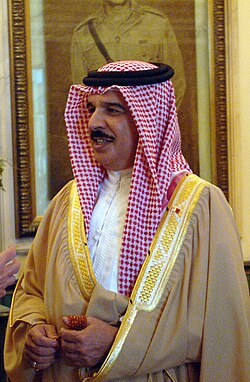
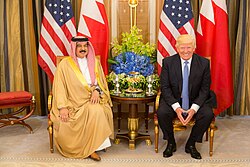
Bahrain is governed as a constitutional monarchy under King Hamad bin Isa Al Khalifa. The legislative branch, the National Assembly, consists of two houses: the Consultative Council (Upper House) and the Council of Representatives (Lower House).
Demographics and Culture
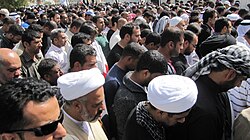
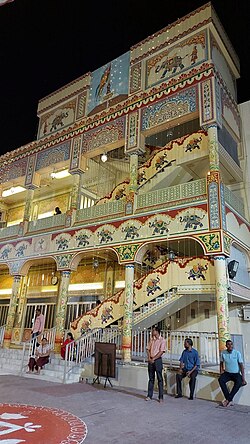
The population is highly diverse, with Arabs making up 53.2% and South Asians 43.4% (2020 census). While Islam is the official religion (74%), the kingdom is home to various faith communities, including Christians, Hindus, and Buddhists.
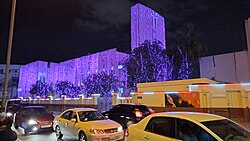
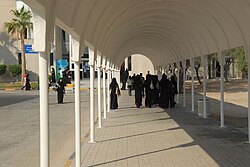
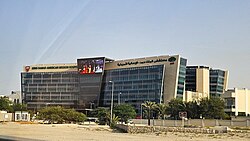
Education and health are prioritized, with institutions like the University of Bahrain and the King Hamad American Mission Hospital providing essential services.
Economy and Infrastructure
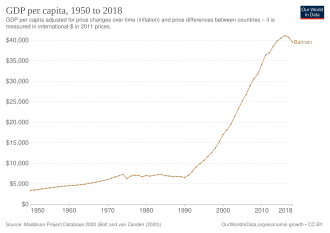
Bahrain's economy transitioned significantly after the first oil well began extraction in 1931. While energy remains important, the nation has diversified into banking, finance, and tourism.
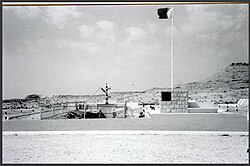
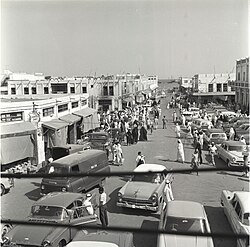
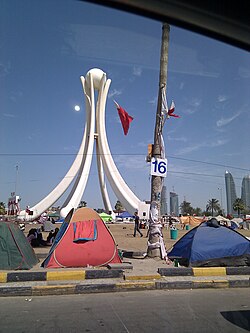
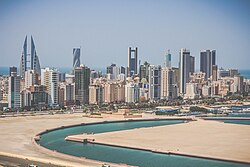
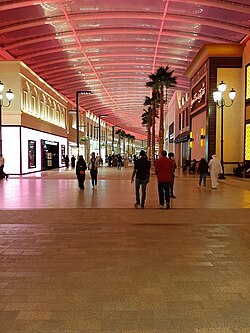
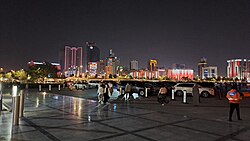
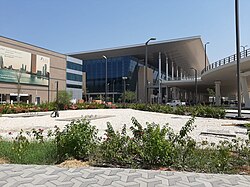
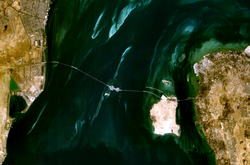
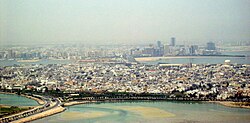
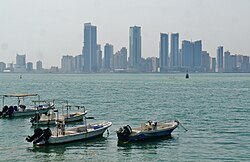
The capital, Manama, is a modern metropolis featuring a striking skyline and major commercial developments like The Avenues. Infrastructure is further bolstered by the Bahrain International Airport and the King Fahd Causeway, which connects the island to Saudi Arabia.
Summary of National Statistics
| Metric | Value |
|---|---|
| Total Area | 786.8 km² |
| Population (2021 Est.) | 1,463,265 |
| GDP per capita (PPP 2026 Est.) | $71,460 |
| HDI (2023) | 0.899 (Very High) |
| Official Language | Arabic |
Culture and Recreation
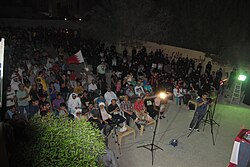
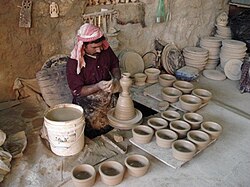
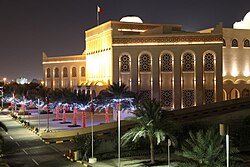
Bahrain maintains a rich artistic heritage, from traditional pottery making to modern literature. The Isa Cultural Centre houses the National Library of Bahrain, preserving the nation's intellectual history.
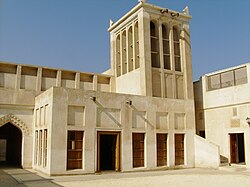
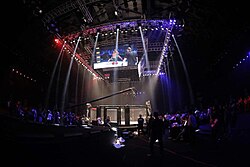
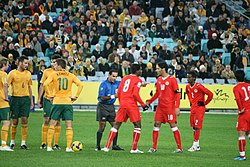
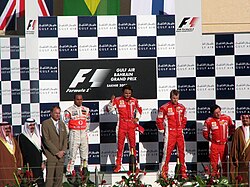
In sports, Bahrain is globally recognized for hosting the Bahrain Grand Prix and its active national football team.
Frequently Asked Questions
What does the name "Bahrain" mean?
The name Bahrain is derived from Arabic and literally means "Two Seas."
When did Bahrain gain its independence?
Bahrain declared its independence from the United Kingdom on August 14, 1971.
What is the primary currency used in Bahrain?
The official currency of the kingdom is the Bahraini dinar (BHD).
How is the government of Bahrain structured?
Bahrain is a unitary constitutional monarchy led by a King, with a National Assembly consisting of a Consultative Council and a Council of Representatives.
What are the main ethnic groups in Bahrain?
According to 2020 data, the population consists of 53.2% Arabs and 43.4% South Asians, among other smaller groups.