Bagram: From Ancient Kapisi to Strategic Airbase
Bagram, a location of immense strategic and cultural importance in Afghanistan, serves as a bridge between the ancient world and modern geopolitics. Known in antiquity as Kapisi, the city has evolved from a hub of early Indic and Iranian civilizations into a pivotal military outpost, reflecting the broader shifts in power across Central Asia over two millennia.
Ancient Foundations and the Mauryan Influence
The early history of Bagram is marked by a blend of cultures. Ancient Buddhist and Hindu sculptures suggest that the city was initially ruled by Indic peoples. Over time, these populations either migrated or merged with Iranian groups, such as the Kambojas from Bactria.
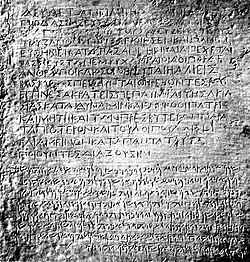
The region's trajectory changed significantly during the rise of the Mauryan Empire in the northern Indian subcontinent. In 305 BC, the empire's founder, Chandragupta Maurya, faced a Macedonian force led by Seleucus I. The resulting agreement saw Seleucus cede Gandhara, Arachosia (centered on ancient Kandahar), and areas south of Bagram to the Mauryans. This era introduced Buddhism to southern Afghanistan, where it existed alongside Zoroastrianism and local pagan beliefs. Evidence of this early administrative and trade presence is found in Mauryan punch-marked coins discovered at Mir Zakah and Begram.
The Kushan Empire and the Bagram Treasure
By the first century, Bagram ascended to become the capital of the Kushan Empire. Positioned at the crossroads of land and sea trade between the East and West, the city became a center for intense commercial exchange. This wealth is epitomized by the "Bagram treasure," a collection of luxury goods including the Begram ivories. Interestingly, these artifacts are distinctly Hellenistic, Roman, Chinese, or Indian, showing less of the cultural syncretism typically found in Greco-Buddhist art.
Islamic Conquest and the Era of Babur
The Islamic conquest of Afghanistan and the neighboring Pashtun regions began in the seventh century, following the fall of Persia. However, the process of complete Islamization was not finalized until the period of Ghaznavid rule.
The modern town of Bagram is believed to have been founded by Babur at the site of the ancient city. In his memoirs, the Baburnama, Babur describes his 1519 visit, noting his fascination with a colony of Hindu ascetics located at Gurh Kattri (Kur Katri).
Modern Strategic Importance and Recent History
In the contemporary era, Bagram is most recognized for the Bagram Airfield. The runway, constructed in 1976, served as a Soviet air base from 1979 to 1989 before becoming the primary hub for US air activity in Afghanistan. During the US presence, the site also hosted a Provincial Reconstruction Team as part of a counter-insurgency strategy.
The area also housed the Parwan Detention Facility, the last US-managed prison in the country. The facility was the subject of international scrutiny due to allegations of prisoner torture and abuse. It was handed over to the Afghan government on March 25, 2013, though human rights organizations, including Amnesty International, expressed concerns regarding the continued treatment of detainees.
Recent years have seen significant volatility. On December 21, 2015, a suicide bombing at Bagram resulted in six deaths. The US military presence concluded on July 1, 2021, when troops departed the base. According to the Afghan commander at the time, the evacuation occurred overnight without official prior notice to the Afghan army.
Key Facts
- Ancient Name: Identified as the ancient city of Kapisi.
- Mauryan Era: Buddhism was introduced following a 305 BC agreement between Chandragupta Maurya and Seleucus I.
- Kushan Capital: Bagram served as the capital of the Kushan Empire in the first century.
- The Bagram Treasure: A collection of Roman, Chinese, Indian, and Hellenistic art reflecting global trade.
- Modern Infrastructure: The Bagram Airfield runway was built in 1976.
- US Departure: US forces evacuated the air base on July 1, 2021.
| Period/Era | Key Event/Entity | Significance |
|---|---|---|
| Ancient | Kapisi | Early Indic and Iranian settlement. |
| 305 BC | Mauryan Empire | Introduction of Buddhism and administrative control. |
| 1st Century | Kushan Empire | Capital city and global trade hub. |
| 1519 | Babur | Foundation of the modern town; visit to Hindu ascetics. |
| 1976-2021 | Military Airbase | Soviet and later US strategic air operations. |
Frequently Asked Questions
What was the ancient name of Bagram?
Bagram is identified with the ancient city of Kapisi.
What is the Bagram treasure?
The Bagram treasure is a collection of artifacts, including the Begram ivories, that demonstrate the city's role as a trade junction between Roman, Hellenistic, Chinese, and Indian cultures during the Kushan Empire.
When did the US military leave Bagram?
US troops departed from the Bagram air base on July 1, 2021, handing the outpost over to the Afghan government.
Who founded the modern-day town of Bagram?
The modern town is believed to have been founded by Babur, who recorded his visit to the site in his memoirs, the Baburnama.
What was the Parwan Detention Facility?
It was the last prison in Afghanistan managed by the US, known for allegations of prisoner abuse, before being handed back to the Afghan government on March 25, 2013.