Bab al-Hadid: The Historic Iron Gate of Aleppo
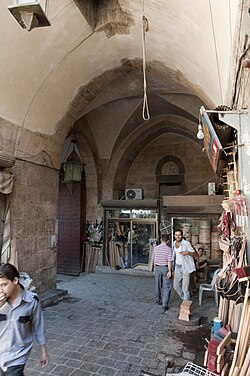
Standing as a testament to the enduring strength of Syrian heritage, Bab al-Hadid (Arabic: بَاب الْحَدِيْد), meaning the Iron Gate, is one of the most significant entrances to the ancient city of Aleppo. Also known as the Iron Gate of Victory, this structure is one of nine primary gates that once secured the city's massive defensive walls, blending military utility with the elegance of Islamic architecture.
Key Facts
- Location: Aleppo, Syria.
- Construction Period: Originally completed between 1216 and 1236.
- Alternative Name: Iron Gate of Victory.
- Architectural Style: Islamic architecture.
- Key Figures: Planned by Az-Zahir Ghazi and built by Al-Aziz Muhammad.
- Recent Status: Restored between 2020 and 2021.
Historical Evolution and Construction
The origins of Bab al-Hadid date back to the early 13th century. The gate was initially planned during the reign of Az-Zahir Ghazi and was constructed by his son, Al-Aziz Muhammad. At the time of its inception, it was known as Bab al-Qanat, or the Aqueduct Gate, reflecting the city's vital water infrastructure.
Over the centuries, the gate underwent significant changes to maintain its defensive capabilities and aesthetic appeal. In 1509, the final Mamluk sultan, Al-Ashraf Qansuh al-Ghawri, oversaw a major rebuilding of the structure, ensuring its survival through the shifting political landscapes of the region.
Cultural Significance and Local Trade
Beyond its role as a fortification, Bab al-Hadid is central to the social fabric of old Aleppo. The gate and its surrounding quarters are among the best-preserved areas of the ancient city. Historically, this district became the heart of the city's metalworking industry.
The area is renowned for its blacksmiths, many of whom continue to operate today using traditional practices passed down through multiple generations. This continuity of craft makes the vicinity of Bab al-Hadid a living museum of medieval trade and artistry.
Preservation and Restoration
Like much of Aleppo's historic center, Bab al-Hadid suffered damage during the Syrian Civil War. However, efforts to preserve this architectural gem led to a dedicated restoration project. Work began in September 2020 and was successfully completed in 2021, returning the gate to its restored status.
| Feature | Details |
|---|---|
| Original Name | Bab al-Qanat (Aqueduct Gate) |
| Completion Date | 1216–1236 |
| Major Renovation | 1509 (by Al-Ashraf Qansuh al-Ghawri) |
| Recent Restoration | 2020–2021 |
| Primary Material/Theme | Iron and Stone (Islamic Architecture) |
Frequently Asked Questions
What does Bab al-Hadid mean?
Bab al-Hadid translates from Arabic to English as the Iron Gate.
Who were the primary figures involved in its creation?
The gate was planned by Az-Zahir Ghazi and constructed by his son, Al-Aziz Muhammad.
What was the gate originally called?
It was originally known as Bab al-Qanat, which means the Aqueduct Gate.
What is the area around the gate famous for?
The surrounding quarters are historically famous for their blacksmiths, many of whom still practice their trade using traditional methods inherited from their ancestors.
When was the most recent restoration completed?
The most recent restoration of the damaged gate began in September 2020 and was completed in 2021.