Autotrophs: The Primary Producers Sustaining Life on Earth
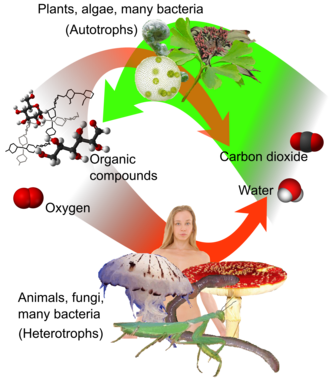
At the very foundation of every ecosystem on Earth lies a group of remarkable organisms known as autotrophs. These organisms possess the unique ability to convert abiotic (non-living) sources of energy into organic compounds, effectively creating the fuel that powers nearly all other life forms. From the towering redwoods of a forest to the microscopic bacteria in the deepest ocean vents, autotrophs serve as the primary producers that make biological existence possible.
The term "autotroph" was first coined in 1892 by German botanist Albert Bernhard Frank, derived from the Greek word trophḗ, meaning "nourishment." Essentially, autotrophs are self-nourishing; they do not require a living source of carbon or energy to survive.
Key Facts
- Primary Producers: Autotrophs occupy the lowest trophic level of the food chain.
- Carbon Source: They use simple substances, primarily carbon dioxide (CO2), to build complex organic molecules.
- Energy Sources: Energy is derived either from sunlight (photosynthesis) or inorganic chemical reactions (chemosynthesis).
- Essential Outputs: They produce carbohydrates, fats, and proteins, and in the case of photoautotrophs, oxygen.
- Global Impact: Without autotrophs, heterotrophs (consumers) would have no source of raw materials or energy.
How Autotrophs Work
Autotrophs synthesize complex organic compounds—such as carbohydrates, proteins, and fats—using carbon from simple inorganic substances. To achieve this, they reduce carbon dioxide to create molecules for biosynthesis and stored chemical fuel. While most autotrophs use water as a reducing agent, some utilize other hydrogen compounds, such as hydrogen sulfide.
On a molecular level, these organisms use a portion of the ATP (adenosine triphosphate) generated during their energy-capture process to reduce NADP to NADPH, which is then used to form organic compounds.
Types of Autotrophs
Autotrophs are categorized based on the energy source they use to drive the synthesis of organic matter.
Photoautotrophs
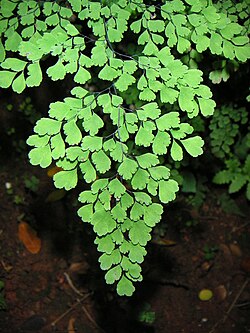
Photoautotrophs capture light energy to drive photosynthesis. This process converts light energy into chemical energy, building organic molecules from inorganic carbon dioxide. Plants, algae, and cyanobacteria are primary examples of photoautotrophs.
Chemoautotrophs
Chemoautotrophs, specifically chemolithotrophs, produce biomass by oxidizing inorganic chemical compounds. These organisms are often found in extreme environments, such as deep-ocean hydrothermal vents, acidic hot springs, and stratified sediment.
Most chemoautotrophs use inorganic electron donors as reducing agents, including:
- Hydrogen sulfide
- Hydrogen gas
- Elemental sulfur
- Ammonium
- Ferrous oxide
These microorganisms catalyze redox reactions using mineral substrates (such as iron, nitrogen, and sulfur) to generate ATP, allowing them to survive entirely without sunlight.
Autotrophs vs. Heterotrophs
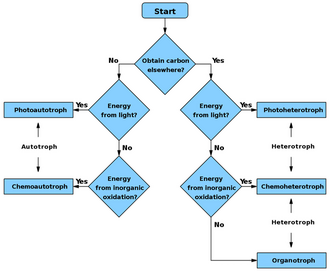
The biological world is divided by how organisms obtain their carbon. While autotrophs produce their own food, heterotrophs—including all animals, most fungi, and many bacteria—must consume organic molecules produced by other organisms.
Heterotrophs obtain energy by breaking down the carbohydrates, fats, and proteins they ingest. Even carnivorous animals rely on autotrophs indirectly, as their prey has previously consumed primary producers. Some organisms, known as mixotrophs, can switch between these strategies. For example, photoheterotrophs use light for energy but organic compounds for carbon, while chemolithoheterotrophs use inorganic oxidation for energy and organic compounds for carbon.
Interestingly, some fungi found in the Chernobyl nuclear reactor are believed to be radiotrophic, meaning they may obtain energy from ionizing radiation.
Ecological Importance and Primary Production
The process by which autotrophs create fuel molecules is called primary production. This is the engine of the biosphere. In most ecosystems, plants and cyanobacteria capture photons from the sun; although plants only use about 1% of this energy, it is sufficient to split water molecules, releasing oxygen into the atmosphere and fueling the metabolic process of growth.
In specific environments, such as tropical streams and rivers, aquatic algae contribute significantly to the food web. Research indicates that net primary production—the amount of carbon synthesized and made available to consumers—is at least an order of magnitude higher in tropical regions than in similar temperate systems.
| Group | Energy Source | Carbon Source | Example |
|---|---|---|---|
| Photoautotroph | Light | Inorganic (CO2) | Plants, Algae |
| Chemoautotroph | Inorganic Chemicals | Inorganic (CO2) | Deep-sea Bacteria |
| Photoheterotroph | Light | Organic Compounds | Certain Bacteria |
| Chemoheterotroph | Organic Chemicals | Organic Compounds | Animals, Fungi |
The Origin of Autotrophs
Scientific evidence suggests that the first cellular lifeforms on Earth were autotrophs rather than heterotrophs. This is because organic substrates from space were likely too heterogeneous or reduced to support early microbial growth. It is hypothesized that the first cells were thermophilic (heat-loving) and anaerobic chemolithoautotrophs living at deep-sea alkaline hydrothermal vents.
The Last Universal Common Ancestor (LUCA) is inferred to have been a thermophilic anaerobe dependent on iron (Fe), hydrogen (H2), and carbon dioxide (CO2). Over time, these organisms evolved. Photosynthesis may have first emerged using faint near-infrared light from hydrothermal vents, with Zn-tetrapyrroles serving as the first photochemically active pigments. Eventually, early photosynthetic bacteria transitioned from using hydrogen sulfide to using water, leading to the rise of cyanobacteria and the Great Oxidation Event.
Frequently Asked Questions
What is the main difference between an autotroph and a heterotroph?
The primary difference is the source of carbon. Autotrophs can synthesize their own organic compounds from inorganic carbon (like CO2), whereas heterotrophs must consume organic compounds produced by other organisms to survive.
Can an organism be both an autotroph and a heterotroph?
Yes, these organisms are called mixotrophs. They have the flexibility to use different energy and carbon sources depending on environmental availability.
How do chemoautotrophs survive without sunlight?
Chemoautotrophs obtain energy through the oxidation of inorganic molecules, such as hydrogen sulfide or ferrous oxide. This allows them to thrive in complete darkness, such as in the deep ocean.
Why are autotrophs called primary producers?
They are called primary producers because they create the initial biomass (energy) that enters the food chain. All other organisms in the ecosystem depend on this initial production for their survival.
What role did cyanobacteria play in Earth's history?
Cyanobacteria evolved to use water in photosynthesis, which released oxygen as a byproduct. This led to the Great Oxidation Event, fundamentally changing Earth's atmosphere and allowing for the evolution of complex aerobic life.