Asunción: The Historic and Vibrant Capital of Paraguay
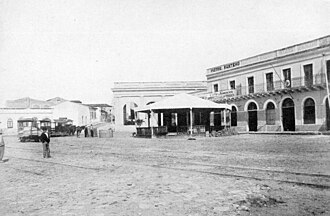
Founded on August 15, 1537, Asunción serves as the capital city and district of Paraguay. Named after the Assumption of Mary, this historic city blends colonial heritage with modern urban expansion. Situated at an elevation of 120 meters, it acts as the political, economic, and cultural heart of the nation.
The city is characterized by its unique geography, famously known for its seven hills, and its strategic location along the Paraguay River, which facilitates both commerce and scenic beauty.
Key Facts
- Founded: August 15, 1537.
- Population: 462,241 (City/District) and 2,480,616 (Metro area) as of 2022.
- Economy: Metro GDP (PPP) estimated at $69.386 billion for 2026.
- Climate: Humid subtropical (Cfa) with significant annual precipitation.
- Administration: Governed by an Intendant, currently Luis Bello (Acting).
Geography and Climate
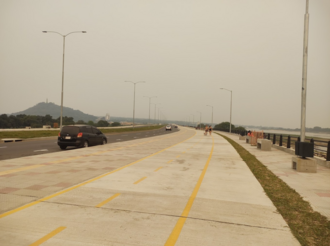
Asunción is located at coordinates 25°16′48″S 57°38′4″W. The city's landscape is defined by its riverfronts and a series of hills that provide varied topography to the urban sprawl.
The climate is classified as Cfa (humid subtropical). The city experiences hot summers and mild winters. The highest recorded temperature reached 43.0°C, while the lowest dropped to −1.2°C. Rainfall is abundant, with an annual average of 1,462.3 mm, peaking typically in November.
| Metric | Warmest Month (Jan) | Coolest Month (Jul) | Annual Average/Total |
|---|---|---|---|
| Mean Daily Max Temp | 34.0°C (93.2°F) | 21.9°C (71.4°F) | 29.0°C (84.2°F) |
| Mean Daily Min Temp | 23.1°C (73.6°F) | 13.6°C (56.5°F) | 18.5°C (65.3°F) |
| Average Precipitation | 132.6 mm | 48.2 mm | 1,462.3 mm |
| Sunshine Hours | 276 hrs | 195 hrs | 2,803 hrs |
Urban Infrastructure and Economy
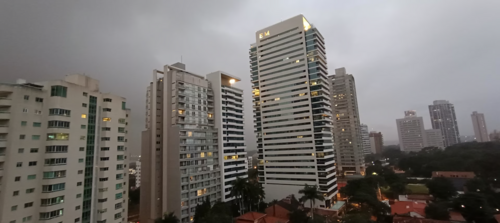
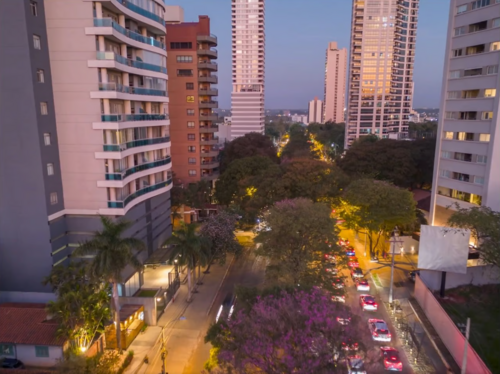
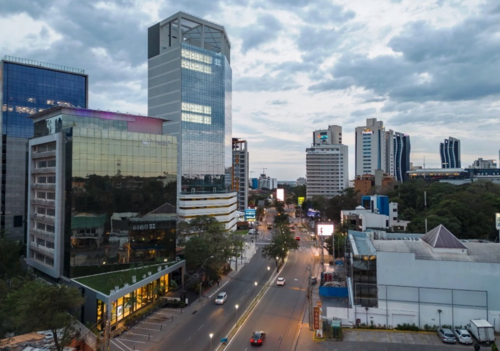
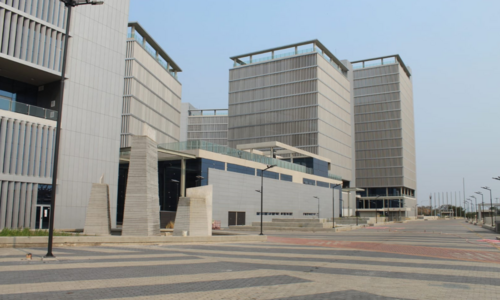
Asunción has seen significant real estate growth, particularly in its new center. Modern landmarks such as the World Trade Center Asunción, Sky Tower, and the corporate-residential axis reflect the city's economic evolution.
Transportation and Connectivity
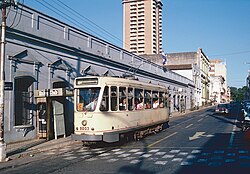
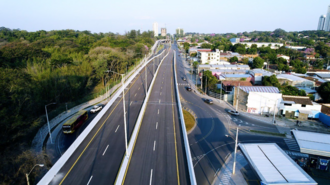
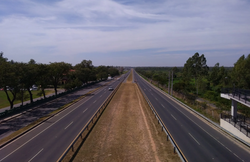
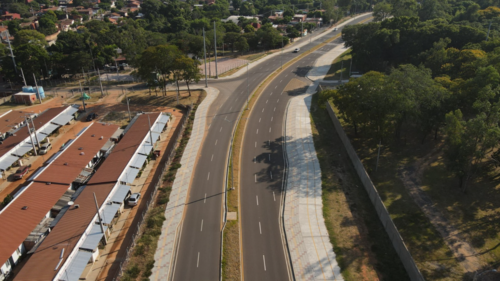
The city is connected to Nueva Asunción via the Héroes del Chaco Bridge. Major transit arteries include Santa Teresa Avenue and the Ñu Guazú highway. While the city once operated a tram system, it closed in the late 1990s.

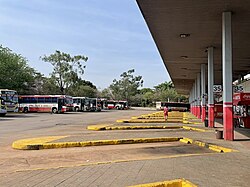
Air travel is handled by the Silvio Pettirossi International Airport, while long-distance land travel is centralized at the city's bus terminal.
Public Institutions and Healthcare
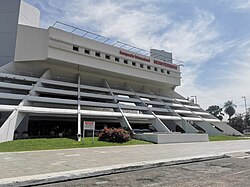
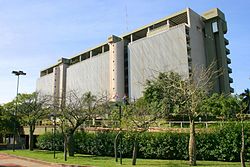
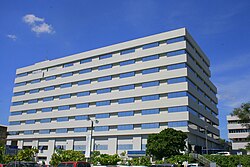
The city houses critical national institutions, including the Central Bank of Paraguay, the National Development Bank, and the Universidad Nacional de Asunción. Healthcare is supported by facilities such as Centro Médico La Costa.
Culture and Tourism
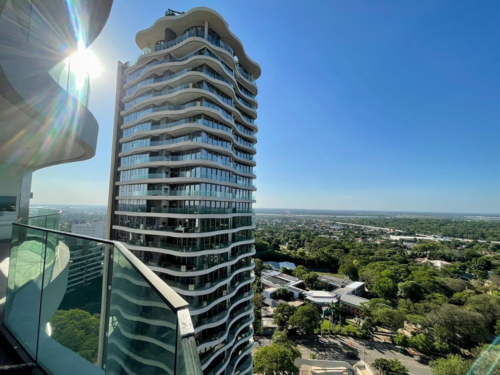
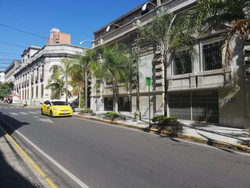
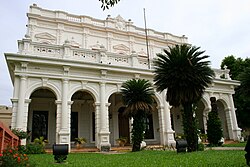
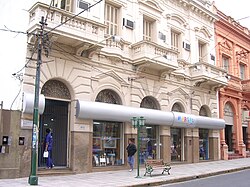
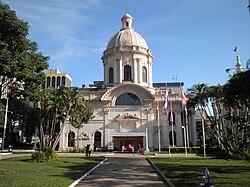
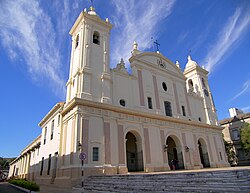
Asunción is a hub of Paraguayan heritage. The Old Town features traditional architecture along Calle Palma and the historic Metropolitan Cathedral. The city is also home to the National Pantheon of the Heroes and the Casa de la Independencia Museum.
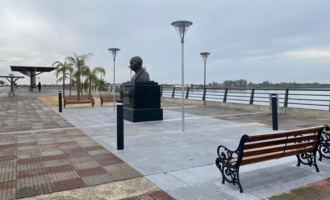
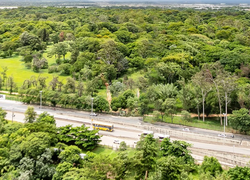
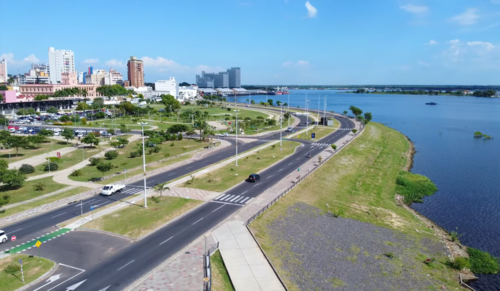
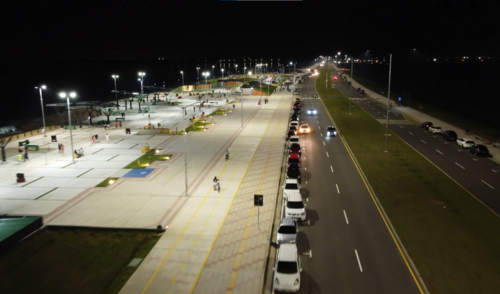
For nature enthusiasts, the Botanical Garden of Asunción and the various riverfront parks (North and South Riverfronts) offer green escapes within the urban environment.
Media and Arts
The city has a robust media landscape with numerous free-to-air channels like Telefuturo and SNT, as well as a wide array of AM and FM radio stations covering variety, news, and religion.
Demographics and Administration
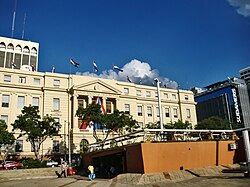
The population of the capital district has fluctuated over the decades, peaking around 2012 before a decline to 462,241 in 2022. The city is divided into several districts, including San Roque, La Recoleta, La Catedral, La Encarnación, Santa María, and Trinidad.
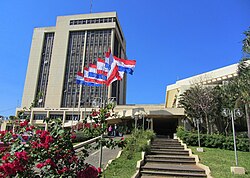
Asunción maintains strong international ties, being twinned with numerous global cities including Madrid, Mexico City, Buenos Aires, and Seoul.
Frequently Asked Questions


When was Asunción founded?
Asunción was founded on August 15, 1537.
What is the climate like in Asunción?
The city has a humid subtropical climate (Cfa) characterized by hot summers and mild winters, with an annual average precipitation of 1,462.3 mm.
What are some of the main tourist attractions?
Key sites include the National Pantheon of the Heroes, the Metropolitan Cathedral, the Casa de la Independencia Museum, and the Botanical Garden.
How is the city connected to other areas?
The Héroes del Chaco Bridge connects Asunción with Nueva Asunción, and the Silvio Pettirossi International Airport provides global connectivity.
What is the current population of the city?
As of 2022, the population of the capital city and district is 462,241, while the metropolitan area population is 2,480,616.