Association Football: The History, Rules, and Global Impact of the Beautiful Game
Often referred to as "the beautiful game" or "the world's game," association football is a global phenomenon that transcends borders, cultures, and languages. At its core, it is a team sport where two sides compete to score by kicking a ball into the opposing team's goal. From its structured beginnings in 19th-century England to its current status as the most viewed sporting event on Earth, football has evolved into a complex professional industry governed by strict laws and a passion that unites billions.
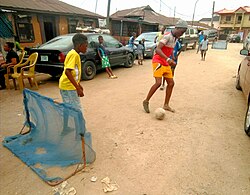
Key Facts
- Governing Body: FIFA (Fédération Internationale de Football Association) is the highest authority.
- Team Structure: Each side consists of 11 players, including a goalkeeper, defenders, midfielders, and forwards.
- Origin: The modern version was first played in December 1863 in England.
- Global Reach: It is played worldwide, with the FIFA World Cup serving as the premier international competition.
- Olympic Presence: Men's football has been featured since 1900, and women's since 1996.
The Evolution of the Game
Ancient and Medieval Precursors
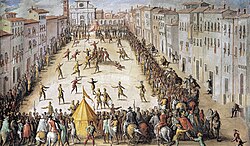
While the modern game was codified in England, the concept of kicking a ball for sport exists in various ancient cultures. These early precursors laid the groundwork for the team-based ball games that would eventually evolve into the structured sport we recognize today.
The Modern Era and Codification
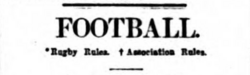
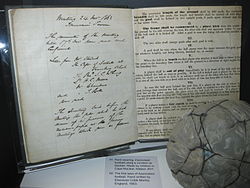
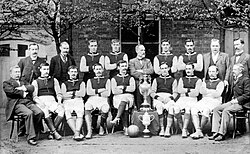
The transition to the modern era occurred in 1863 when the Football Association (FA) was formed in England. This period saw the creation of the first "Laws of the Game," which separated association football from other variants like rugby. For a time, the term "football" was used broadly to encompass both sports before the distinction became more rigid.
The Rise of Professionalism and Women's Football
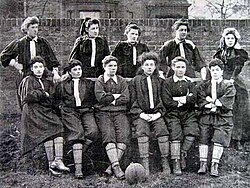
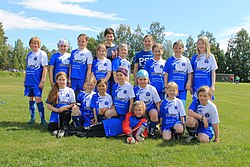
As the sport grew, professional leagues emerged, leading to the creation of iconic clubs and competitions. Parallel to the men's game, women's association football also developed. Despite facing significant restrictions and bans in the early 20th century, the women's game saw a revival and ongoing growth, eventually leading to the establishment of the FIFA Women's World Cup.
Gameplay and Regulations
The Laws of the Game
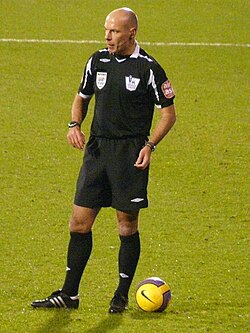
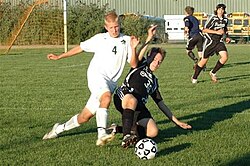
Football is governed by a set of rules known as the Laws of the Game. These regulations ensure fairness and consistency across all levels of play. Key aspects include the management of misconduct—both on-field and off-field—and the role of the referee, who serves as the final authority on the pitch.
Equipment and the Pitch
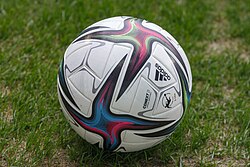
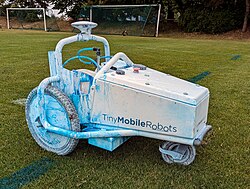
A standard match requires a football (or soccer ball), boots, shin guards, and specific kits. Goalkeepers are the only players permitted to wear gloves. The game is played on a football pitch (also called a field or ground), which must adhere to specific measurements and be marked with precise lines.


Match Duration and Tie-Breaking
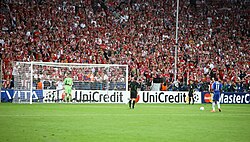
A standard professional match consists of 90 minutes of ordinary time, split into two 45-minute halves. In knockout competitions, if a match ends in a draw, tie-breaking methods such as extra time or a penalty shoot-out are used to determine the winner.
Set Pieces and Scoring
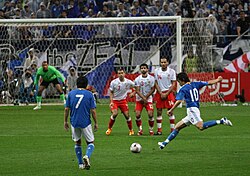
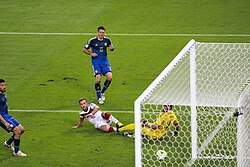
Goals are scored when the ball completely crosses the goal line between the posts and under the crossbar. When fouls occur, the game may restart with a free kick—where the opposing team often forms a "wall" to block the shot—or a penalty kick.
Global Governance and Competitions
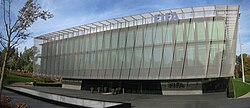
The Role of FIFA and Confederations
FIFA oversees the sport globally, but regional management is handled by six confederations:
- UEFA: Europe
- CONMEBOL: South America
- CAF: Africa
- AFC: Asia
- OFC: Oceania
- CONCACAF: North and Central America and the Caribbean
Major Tournaments
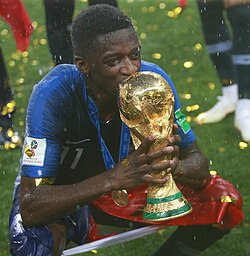
The FIFA World Cup is the pinnacle of international football and the most viewed sporting event globally. Other prestigious competitions include the UEFA European Championship and various domestic leagues, such as the Spanish La Liga, which features the world-renowned El Clásico fixture between Real Madrid and Barcelona.
![A 2009 Spanish La Liga match between Real Madrid and Barcelona. The fixture, known as El Clásico, is one of the most renowned in sport.[175]](/images/c9/55/c955cbd26498deaef89c14e93437711ef4a7d1f3bf4e3da97d444b7dcbc8a717.jpg)
| Feature | Detail |
|---|---|
| Players per Team | 11 |
| Standard Match Length | 90 Minutes |
| Primary Governing Body | FIFA |
| Key Equipment | Ball, Boots, Shin Guards, Kits |
| Major International Event | FIFA World Cup |
Frequently Asked Questions
What is the difference between football and soccer?
In most of the world, the sport is called football. The term "soccer" is primarily used in North America and Australia to distinguish association football from other codes of football, such as American or Australian Rules football.
How many players are on a football team?
A standard team consists of 11 players on the pitch at one time: one goalkeeper, and a combination of defenders, midfielders, and forwards.
Who is responsible for the Laws of the Game?
The Laws of the Game are maintained and updated by the International Football Association Board (IFAB).
What happens if a knockout match ends in a draw?
If a match remains tied after 90 minutes of ordinary time, it may proceed to extra time and, if necessary, a penalty shoot-out to decide the winner.
Which organization governs football worldwide?
FIFA (Fédération Internationale de Football Association) is the highest governing body for association football globally.