Assembly of the Year XIII
The Assembly of the Year XIII (Spanish: Asamblea del Año XIII), formally known as the General Constituent and Sovereign Assembly of the Year 1813, was a pivotal unicameral congress of deputies from the United Provinces of the Río de la Plata. Convened by the Second Triumvirate, this body met in Buenos Aires from January 31, 1813, to January 24, 1815.
The Assembly was established with three primary goals: to recognize the sovereignty of the people, to formally proclaim independence from Spain, and to draft a constitution to define the institutional framework of the emerging state. While the formal declaration of independence and the final constitution remained elusive, the Assembly enacted a series of sweeping reforms that dismantled colonial structures and laid the groundwork for a modern nation.
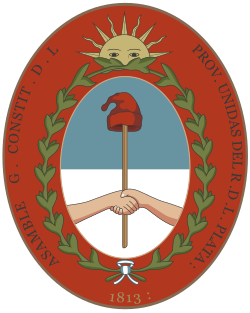
Key Facts
- Duration: January 31, 1813 – January 24, 1815.
- Primary Goal: To establish sovereignty, independence, and a national constitution.
- Major Achievement: Passed the Libertad de vientres (freedom of wombs) law to end slavery.
- Institutional Shift: Created the office of the Supreme Director to centralize executive power.
- Cultural Legacy: Commissioned the national anthem and established May 25 as a civic holiday.
Formation and Representation
The Second Triumvirate organized the Assembly through a decree on October 24, 1812, allocating deputies based on the political and population importance of the regions. Buenos Aires was granted four deputies, while other provincial capitals received two. Notably, San Miguel de Tucumán was also granted two deputies as a reward for its victory over royalist forces.
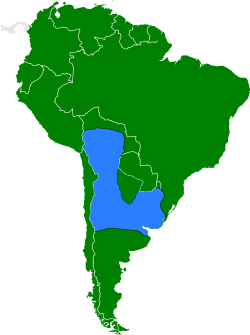
Representation spanned a wide geography, including deputies from Salta, Córdoba, Corrientes, San Juan, Mendoza, Santiago del Estero, Catamarca, La Rioja, Tucumán, San Luis, Jujuy, Entre Ríos, Santa Fe, and Luján. It also included representatives from Upper Peru (Chuquisaca, Potosí, and Mizque) and the Banda Oriental (Montevideo and Maldonado).
The Conflict with the Oriental Deputies
A significant point of tension occurred on March 5, 1813, when the Assembly suspended the incorporation of deputies from the Banda Oriental. These deputies had been elected under the leadership of José Gervasio Artigas at the "Congress of Tres Cruces." While the Assembly cited a lack of formal procedure, historians suggest the rejection was political; Artigas demanded an immediate declaration of independence and a confederal system, which clashed with the centralization efforts in Buenos Aires.
Legislative Evolution and the Directory
The Assembly operated across five distinct periods between 1813 and 1815. During its inaugural session, it declared itself the representative of the sovereignty of the people. Initially, executive power remained delegated to the Triumvirate, but by early 1814, the Assembly shifted toward a more centralized authority.
This evolution led to the creation of the Directory, a single-person executive office. The first Supreme Director of the United Provinces of the Río de la Plata was Gervasio Antonio de Posadas, who governed with minimal consultation from the Assembly.
Major Provisions and Reforms
Despite the failure to draft a constitution, the Assembly implemented several landmark reforms that fundamentally altered Rioplatense society:
- Human Rights and Slavery: The Assembly abolished the Spanish Inquisition and the use of torture. It also ended forced indigenous labor systems, including the encomienda, mit'a, and yanaconazgo. Most significantly, it passed the Libertad de vientres (freedom of wombs) law, decreeing that children born to slaves were automatically free citizens.
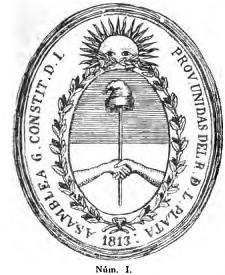
- National Identity: The body commissioned a national anthem, selected the national coat of arms, and established May 25 as a civic holiday.
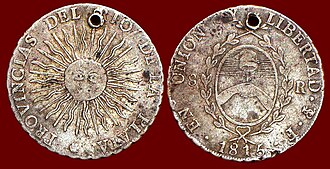
- Economic and Social Sovereignty: To signal a break from Spain, the Assembly removed the image of King Ferdinand VII from official documents and coins. It ordered the minting of the first national gold and silver currency at the Potosí Mint.
- Legal Equality: All colonial titles of nobility were voided and suppressed, and freedom of the press was proclaimed.
| Category | Action/Outcome | Status |
|---|---|---|
| Political Status | Declaration of Independence | Not Achieved |
| Governance | Drafting of Constitution | Not Achieved |
| Executive Power | Creation of the Supreme Directorship | Achieved |
| Social Reform | Libertad de vientres (Freedom of Wombs) | Achieved |
| Civil Rights | Abolition of Nobility and Inquisition | Achieved |
| National Symbols | National Anthem and Coat of Arms | Achieved |
Dissolution and the Fontezuelas Mutiny
The Assembly's final session took place on January 26, 1815. However, it never reconvened. The body was officially dissolved following the coup of April 18, 1815, known as the Revolution of the Fontezuelas. This mutiny, led by Colonel Ignacio Álvarez Thomas, was sparked by tensions between the central government in Buenos Aires and the interior provinces, particularly the forces of José Gervasio Artigas. The Assembly was succeeded by the Congress of Tucumán.
Frequently Asked Questions
What was the primary purpose of the Assembly of the Year XIII?
The Assembly was convened to recognize the sovereignty of the people, formally proclaim the independence of the United Provinces of the Río de la Plata from Spain, and draft a national constitution.
Did the Assembly successfully declare independence?
No, the Assembly did not formally proclaim independence or complete a constitution, largely due to conflicting political interests among the deputies.
What was the "Libertad de vientres" law?
The Libertad de vientres (freedom of wombs) was a law dictating that any child born to enslaved parents after the law's passing was automatically a free citizen, serving as a critical step toward the total abolition of slavery.
Who was the Supreme Director created by the Assembly?
The Assembly created the office of the Supreme Director to centralize executive power, appointing Gervasio Antonio de Posadas as the first person to hold this position.
Why were the deputies from the Banda Oriental rejected?
The Assembly rejected most of the Oriental deputies because they followed instructions from José Gervasio Artigas, who advocated for immediate independence and a confederal state rather than the centralized government favored by Buenos Aires.
How did the Assembly end?
The Assembly was effectively dissolved following the "Revolution of the Fontezuelas" on April 18, 1815, a military coup and popular uprising in Buenos Aires.