Artichoke: History, Cultivation, and Culinary Uses of the Edible Thistle
The artichoke (Cynara cardunculus var. scolymus) is a fascinating edible variety of the thistle plant. Known for its unique structure and delicate flavor, this vegetable has transitioned from a wild Mediterranean plant to a globally recognized culinary delicacy. Whether enjoyed as a stuffed centerpiece or a simple steamed treat, the artichoke offers a complex eating experience that spans continents and cultures.
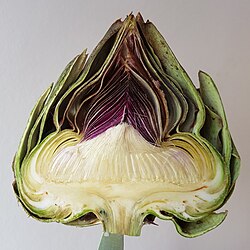
Key Facts
- Scientific Name: Cynara cardunculus var. scolymus
- Edible Parts: The fleshy lower portions of the bracts and the base, known as the heart.
- Global Production: In 2024, world production reached 1.7 million tonnes, led by Egypt and Italy.
- Nutritional Highlight: A rich source of folate (20% or more of the Daily Value).
- Growth Habit: Can grow between 1.4 to 2 meters tall with large, silvery-green leaves.
Botanical Description and Anatomy
Artichokes are large plants that can reach heights of up to 2 meters. They feature arching, deeply lobed, silvery, glaucous-green leaves that can measure up to 83 cm in length. The most recognizable part of the plant is the large head, which is actually an edible bud approximately 8–15 cm in diameter.
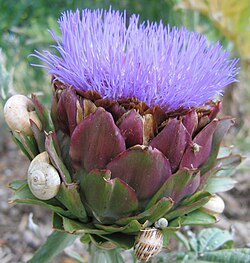
The anatomy of the artichoke bud is critical for cooking. The edible portions consist of the fleshy lower parts of the involucral bracts (the scales) and the heart. In the center of the bud lies the choke, or beard, which is a mass of immature florets. While the florets themselves are purple, the choke becomes inedible as the flower matures.
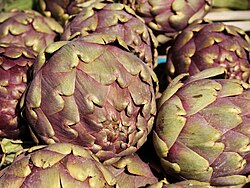
Common Varieties
Artichokes come in various forms depending on their color, size, and texture:
- Green and Large: Includes 'Vert de Laon', 'Camus de Bretagne', 'Castel', and 'Green Globe'.
- Purple and Large: Such as 'Romanesco' and 'C3'.
- Spined: Including 'Spinoso Sardo e Ingauno' from Sardinia and 'Criolla' from Peru.
A Rich Etymological and Historical Journey
The history of the artichoke is as layered as the vegetable itself. It is a domesticated version of the wild cardoon, a plant native to the Mediterranean. While ancient writers like Homer and Hesiod mentioned the cardoon, the specific cultivation of the artichoke variety became more prominent in later centuries.
The word "artichoke" has a complex linguistic lineage. It was borrowed into English in the 16th century from the Italian articiocco, which likely originated from the Spanish alcachofa or directly from the medieval Andalusi Arabic al-kharshūfa. Interestingly, the term has seen reciprocal influence; for example, the modern Levantine Arabic term arḍī shawkī (meaning "earthy thorny") is an Arabicization of the English or European terms.
Cultivation spread through Europe via Italy and France in the late 15th and early 16th centuries. By the mid-17th century, artichokes enjoyed a vogue in European courts, where the hearts were treated as luxury ingredients. They eventually reached the United States in the 19th century, brought by French and Spanish immigrants.
Cultivation and Ecology
Commercial artichoke production is typically limited to warm areas, specifically in USDA hardiness zones 7 and above. The plants require good soil, regular watering, and feeding, as well as protection from frost during the winter. Because mature plants only live for a few years, growers often use rooted suckers for new plantings.
Harvesting typically peaks in the spring, with secondary peaks in summer and mid-autumn. When harvested, the stem is cut, leaving an inch or two of the edible stem attached. From an ecological standpoint, growers must manage fungal pathogens such as Verticillium dahliae and Rhizoctonia solani.
Nutritional Profile
Artichokes are highly nutritious. A 100-gram serving of cooked, unsalted artichoke provides approximately 74 kcal of energy. They are particularly notable for their high fiber content and essential vitamins.
| Nutrient | Amount | % Daily Value (Approx.) |
|---|---|---|
| Energy | 310 kJ (74 kcal) | - |
| Carbohydrates | 11.57 g | - |
| Dietary Fiber | 5.5 g | - |
| Protein | 2.81 g | - |
| Folate (B9) | - | 22% |
| Vitamin K | - | 14% |
| Copper | - | 14% |
| Magnesium | - | 10% |
Culinary Applications
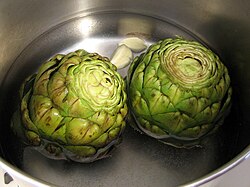
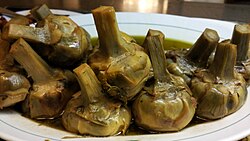
In the kitchen, artichokes can be prepared in numerous ways. Large globe artichokes are often simmered for 15–30 minutes or steamed for 30–40 minutes. To prevent enzymatic browning (discoloration), cooks often place cut artichokes in water acidified with lemon juice or vinegar.
Common preparation methods include:
- Leaf Eating: Removing leaves one by one and eating the fleshy base with sauces like hollandaise, aioli, or vinaigrette.
- Stuffed Artichokes: A popular Italian method using bread crumbs, garlic, herbs, cheese, and meat.
- Fried: In Rome, "Jewish-style" artichokes are deep-fried whole.
- Spanish Style: Smaller, tender artichokes may be used in paella or a Spanish tortilla (frittata).
- Greek Style: Anginares alla Polita is a savory stew featuring artichoke hearts, potatoes, and carrots.
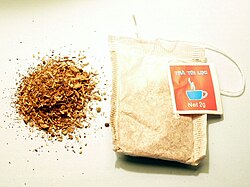
Beyond food, artichokes have other uses. They are used to make herbal teas in Vietnam, Mexico, and Romania. Additionally, the artichoke is the primary botanical ingredient in the Italian aperitif Cynar.
Frequently Asked Questions
What part of the artichoke is edible?
The primary edible parts are the fleshy lower portions of the bracts (scales) and the heart. The center mass, known as the choke, is inedible in mature flowers and must be removed.
How do I prevent artichokes from turning brown?
Artichokes can undergo enzymatic browning and chlorophyll oxidation when cut. To prevent this, place them in water slightly acidified with lemon juice or vinegar.
Can artichokes be used for landscaping?
Yes, the globe artichoke is an attractive landscape plant due to its bold foliage and large, vibrant purple flower heads.
What is the difference between an artichoke and a cardoon?
The artichoke is a domesticated variety of the wild cardoon (Cynara cardunculus), specifically the variety scolymus.
How long do artichokes stay fresh?
Artichokes have good keeping qualities and can frequently remain fresh for two weeks or longer under average retail conditions.