Art: The Evolution of Creative Expression and Cultural Meaning
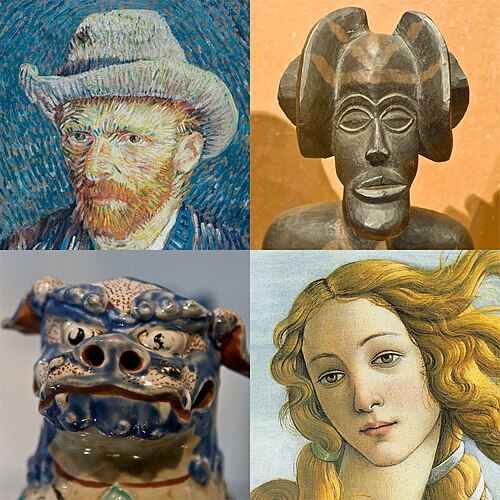
Art is a vast and diverse range of cultural activities centered on works that utilize creative or imaginative talents. At its core, art is designed to evoke a worthwhile experience, typically through the expression of emotional power, conceptual ideas, technical proficiency, or sheer beauty.
Defining art is a complex task, as there is no single, universally agreed-upon definition. Its interpretation has shifted dramatically across different eras and cultures. While we often think of art as something found in a gallery, it encompasses a wide spectrum of human endeavor, from the most ancient carvings to the most provocative modern installations.
Key Facts
- Broad Scope: Art includes visual arts, performing arts (theatre, dance), literature, music, film, and interactive media.
- Historical Shift: Until the 17th century, "art" referred to any skill or mastery, regardless of whether it was a science or a craft.
- Fine Arts: Post-17th century, the "fine arts" were distinguished from applied or decorative arts based on aesthetic priority.
- Classical Branches: In the Western tradition, the three primary branches of visual art are painting, sculpture, and architecture.
- Communication: Art often serves as a system of artefacts or images with symbolic meanings used for communication.
The Evolution of Art and Craft
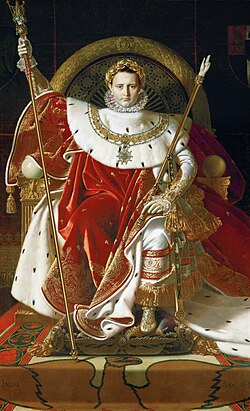
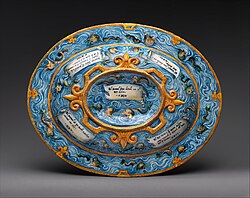
Historically, the boundary between art and craft was fluid. For centuries, the term "art" was synonymous with any acquired skill. It was not until the 17th century that a distinction emerged, separating the fine arts—where aesthetic considerations are paramount—from the decorative or applied arts, which often serve a practical purpose.
Ancient Beginnings
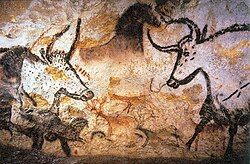
The human impulse to create is prehistoric. Some of the oldest confirmed examples of artistic representation include the Löwenmensch figurine from Germany, dating back between 35,000 and 41,000 years, and the cave paintings of Lascaux in France from approximately 17,000 BCE.
![Löwenmensch figurine, Germany, between 35,000 and 41,000 years old. One of the oldest-known examples of an artistic representation and the oldest confirmed statue ever discovered.[29]](/images/c3/de/c3def3f5c161f25275fc3e561b5c6d97ba45e56c4e805c18de6de310ccd847c9.jpg)
Global Traditions
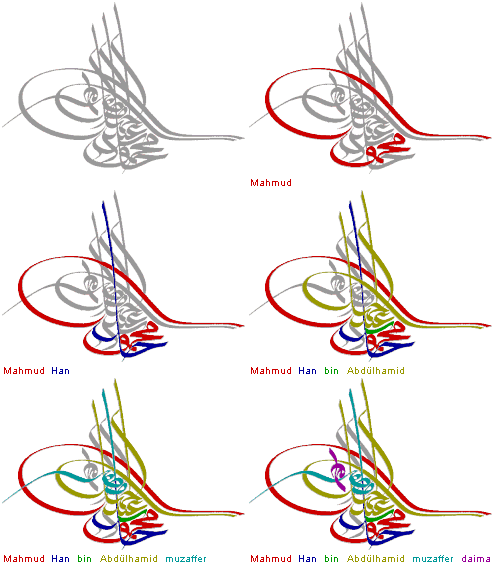
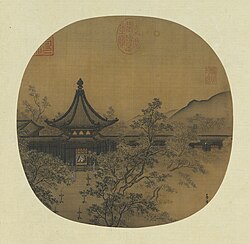
Artistic expression varies globally, reflecting the values of the society that produced it. This includes the intricate Islamic calligraphy of the Ottoman Empire, the architectural mastery of the Great Mosque of Kairouan in Tunisia, and the refined landscape paintings of the Chinese Song dynasty.
![The Great Mosque of Kairouan in Tunisia, also called the Mosque of Uqba, is one of the most significant and best preserved artistic and architectural examples of early great mosques. Dated in its present state from the 9th century, it is the ancestor and model of all the mosques in the western Islamic lands.[42]](/images/69/f0/69f0bc8ad5b55f0e82c30f4dc6c178c7a1f96ae74dbf90c2552ee5d8f3eee7c2.jpg)
The Purpose and Function of Art
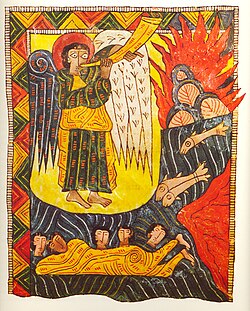
Art serves a multitude of roles, ranging from the purely aesthetic to the deeply functional. These can be categorized into non-motivated and motivated functions.
Non-Motivated Functions
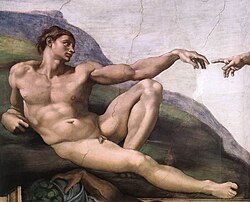
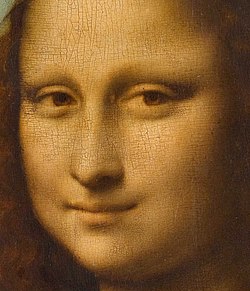
Some art exists primarily for its own sake, focusing on the exploration of beauty, emotion, or the artist's internal vision. This is often seen in the works of the Renaissance, such as Michelangelo's frescoes or Leonardo da Vinci's use of sfumato (a technique of blending colors and tones to create a soft, hazy effect).
Motivated Functions
Motivated art is created with a specific goal or message. This can include:
- Political and Social Change: Using art as propaganda or to raise awareness for causes like breast cancer, autism, or human rights.
- Religious and Spiritual: Creating icons, mosques, or sacred figurines to facilitate worship or honor ancestors.
- Therapeutic: The use of art therapy to aid in healing and mental health.
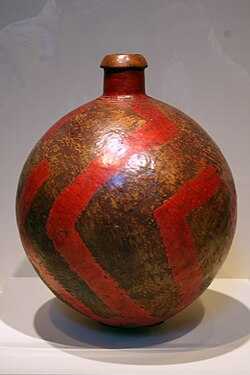
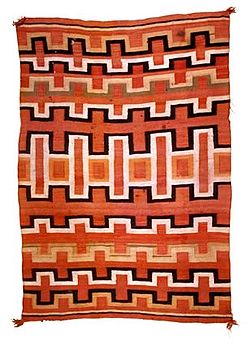
- Practical Utility: Objects like Navajo rugs or Twa bottles that combine decorative value with daily use.
The Process: From Creation to Appreciation
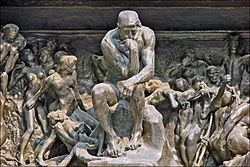
The lifecycle of an artwork generally follows a series of stages: preparation, where the artist plans the work; creation, the actual act of making; and appreciation, where the viewer engages with the piece.
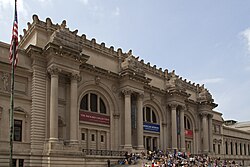
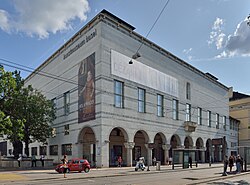
Public access to art has evolved from private collections and religious sites to the establishment of public museums. The Kunstmuseum Basel stands as the oldest public museum of art in the world, while institutions like the Metropolitan Museum of Art serve as global forums for display and study.
Modernism and Theoretical Controversies
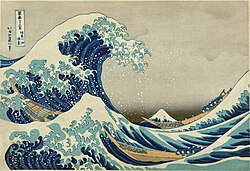
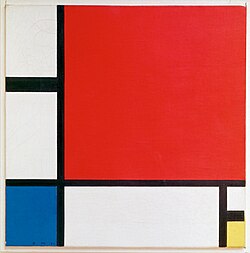
The arrival of Modernism challenged traditional notions of what constitutes art. This era introduced the concept of "anti-art" and shifted the focus from technical representation to conceptual ideas. A prime example is Marcel Duchamp's Fountain, which questioned the role of the artist and the object.
![The original Fountain by Marcel Duchamp, 1917, photographed by Alfred Stieglitz at the 291 after the 1917 Society of Independent Artists exhibit. Stieglitz used a backdrop of The Warriors by Marsden Hartley to photograph the urinal. The exhibition entry tag can be clearly seen.[154]](/images/ea/01/ea01f70736d51c646635525c6849959729f10e8126d9ccd819b66e8d0f971106.jpg)
This shift led to several theoretical debates, including the "intentional fallacy" (the idea that an artist's intention is not the primary meaning of the work) and the "linguistic turn," which emphasized the role of language and context in defining art.
Summary of Art Classifications
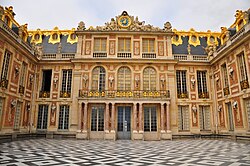
The following table provides a concise overview of how art is categorized across different dimensions.
| Category | Focus | Examples |
|---|---|---|
| Visual Arts | Sight and Aesthetics | Painting, Sculpture, Architecture |
| Performing Arts | Time and Movement | Theatre, Dance, Music |
| Fine Arts | Aesthetic Value | Oil on canvas, Frescoes |
| Applied Arts | Utility and Design | Pottery, Textiles, Jewelry |
| Conceptual Art | Ideas and Meaning | Readymades, Performance Art |
Frequently Asked Questions
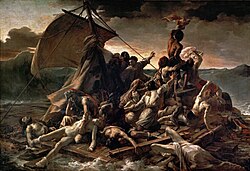
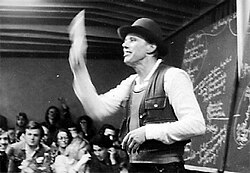
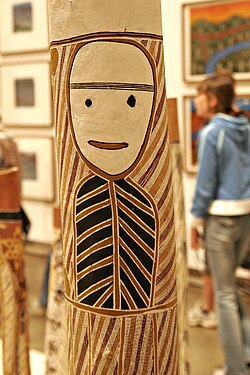
What is the difference between fine art and applied art?
Fine art is created primarily for aesthetic or intellectual purposes, where beauty and expression are the main goals. Applied art, or decorative art, refers to the application of design and aesthetics to functional, everyday objects.
When did the definition of art change?
Until the 17th century, art was viewed as any skill or mastery (including sciences and crafts). After the 17th century, the "fine arts" were separated as a distinct category based on their aesthetic priority.
What are the three classical branches of visual art?
In the Western tradition, the three classical branches are painting, sculpture, and architecture.
Can art be used for more than just decoration?
Yes. Art often serves motivated functions, such as communicating symbolic meanings, promoting social or political change, facilitating religious worship, or providing therapeutic healing.
What is the "intentional fallacy" in art theory?
The intentional fallacy is a concept in New Criticism suggesting that an artist's intended meaning is not the definitive or only correct interpretation of a work of art.