Argentine Jews: A History of Migration, Resilience, and Culture
Argentina is home to the largest Jewish population in Latin America, representing a diverse tapestry of heritage, faith, and endurance. From the early agricultural colonies of the late 19th century to the vibrant urban centers of today, the Jewish community has played a significant role in the nation's social and cultural fabric.
The community is predominantly Ashkenazi (Jews of Central and Eastern European descent), who make up about 80% of the population, while Sephardi (Jews of Spanish and Portuguese descent) and Mizrahi (Jews from the Middle East and North Africa) constitute a minority.
Key Facts
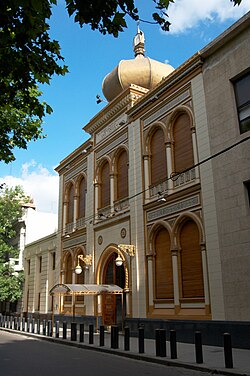
- Core Population: Approximately 180,500 people.
- Largest Community: Argentina holds the highest number of Jewish residents in Latin America.
- Primary Hubs: Buenos Aires, Córdoba, and Rosario.
- Major Heritage: 80% Ashkenazi, with Sephardic and Mizrahi minorities.
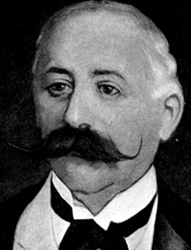
- Key Historical Figure: Baron Maurice de Hirsch, who facilitated agricultural settlement.
Early Years and Agricultural Settlement
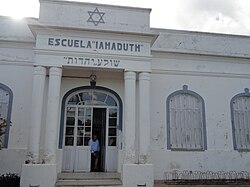
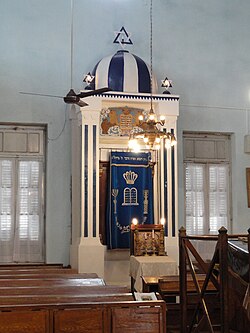
The foundations of the community were strengthened in the late 1800s. In 1862, the Buenos Aires Jewish community was established, celebrating its first traditional wedding in 1868 and inaugurating its first synagogue in 1875. Early Ashkenazi immigrants from Eastern Europe were often referred to by locals as rusos (Russians).
To support those in economic distress, the German Jewish philanthropist Baron Maurice de Hirsch founded the Jewish Colonization Association. This organization managed various colonies and, at its peak, owned over 600,000 hectares of land.
Between 1906 and 1912, Argentina saw an influx of roughly 13,000 Jewish immigrants annually, arriving from Europe, Morocco, and the Ottoman Empire. By 1920, the population had grown to over 150,000. These settlers established agricultural colonies in several provinces:
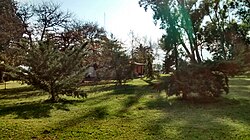
- Entre Ríos: Including San Gregorio, Villa Domínguez, Carmel, Ingeniero Sajaroff, Villa Clara, and Villaguay.
- Santa Fe: Most notably Moisés Ville.
- Buenos Aires: Including Lapin and Rivera.
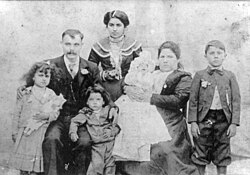
The impact of these settlements was profound; the 1895 national census revealed that 64% of the 6,085 identified Jews lived in Entre Ríos.
The 20th Century: Conflict and Migration
World War II and the Nazi Presence
During the 1930s, many Jews fled Nazi persecution to settle in Argentina. By 1939, Jewish refugees from Central Europe made up a significant portion of the workforce in small manufacturing plants. However, the post-war era also saw Argentina become a refuge for Nazis, including Adolf Eichmann, a high-ranking official of the death camps. Eichmann lived near Buenos Aires until 1960, when he was abducted by Israeli agents and taken to Israel, where he was convicted of crimes against humanity and executed in 1962.
Political Instability and Antisemitism
The overthrow of Juan Perón in 1955 triggered a wave of antisemitism. This instability, combined with the appeal of the newly formed State of Israel, led to significant emigration. By 1964, a poll indicated that 76% of the Argentine military opposed the entry of Jewish immigrants.
During the military junta's rule in the 1970s and 80s, the community faced further repression. The Hebrew Immigrant Aid Society and the US State Department coordinated potential asylum and visa options for refugees during this volatile period.
Terrorism and the Return to Democracy
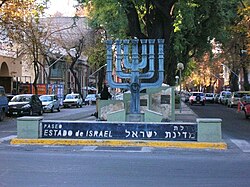
The 1990s were marked by two devastating terrorist attacks targeting the Jewish community in Buenos Aires. In March 1992, a bomb at the Israeli Embassy killed 29 people. This was followed in July 1994 by the bombing of the AMIA (Jewish community center), which killed 85 people and wounded over 200. A 2005 prosecutorial report attributed the AMIA attack to a Lebanese suicide bomber linked to Hezbollah.
Contemporary Status and Culture
In the 21st century, economic fluctuations have influenced population trends. The crisis of 1999–2002 prompted approximately 4,400 Jews to make aliyah (immigration to Israel). While this trend leveled off after 2003, some who had left eventually returned to Argentina.
Despite these challenges, the community remains a cultural powerhouse. Argentina has produced world-renowned Jewish talents, such as pianist Martha Argerich and conductor Daniel Barenboim.
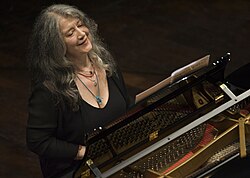
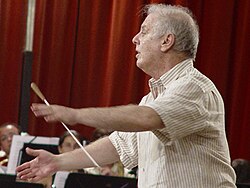
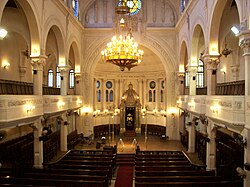
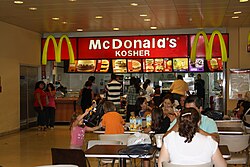
Today, Jewish life in Argentina is visible through its diverse institutions, from the La Tablada Israelite Cemetery—the largest in Latin America—to modern adaptations like the Kosher McDonald's in Buenos Aires.
| Category | Detail |
|---|---|
| Core Jewish Population | 180,500 |
| Enlarged Population (incl. relatives) | 330,000 |
| Ethnic Composition | 80% Ashkenazi, Minority Sephardi/Mizrahi |
| Primary Regions | Buenos Aires, Córdoba, Santa Fe, Entre Ríos |
| Languages Spoken | Spanish (Predominant), Hebrew, Yiddish, Judaeo-Spanish |
Frequently Asked Questions
Who was Baron Maurice de Hirsch?
Baron Maurice de Hirsch was a German Jewish philanthropist who founded the Jewish Colonization Association to help Jews in economic distress establish agricultural colonies in Argentina.
What is the AMIA bombing?
The AMIA bombing occurred in July 1994 in Buenos Aires, targeting the Jewish community center. It resulted in 85 deaths and over 200 injuries; it is one of the most significant terrorist attacks in Argentine history.
How did Adolf Eichmann end up in Argentina?
Eichmann, a high-ranking Nazi official, immigrated to Argentina after World War II to escape justice. He lived in a suburb of Buenos Aires until he was captured by Israeli agents in 1960.
What is the current size of the Jewish community in Argentina?
The core Jewish population is approximately 180,500, though the enlarged population, which includes non-Jewish relatives, is estimated at 330,000.
Where are the most significant Jewish agricultural colonies located?
The most significant colonies were established in the provinces of Entre Ríos (such as Villa Clara and San Gregorio) and Santa Fe (most notably Moisés Ville).