Aquilegia formosa: The Vibrant Crimson Columbine of Western North America
The Aquilegia formosa, commonly known as the crimson columbine, western columbine, or Sitka columbine, is a striking wildflower native to the diverse landscapes of western North America. From the rugged terrains of Alaska to the sunny reaches of Baja California, and extending east into Montana and Wyoming, this perennial herb is celebrated for its vivid colors and unique floral structure.
Key Facts
- Common Names: Crimson columbine, western columbine, Sitka columbine.
- Native Range: Alaska to Baja California, east to Montana and Wyoming.
- Primary Pollinators: Hummingbirds, though bees, butterflies, and flies also visit.
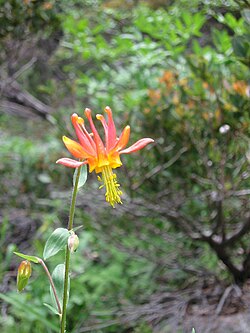
- Flower Colors: Reddish-orange sepals and spurs with yellow petal blades.
- Toxicity: Seeds can be fatal; most parts contain cyanogenic glycosides.
Botanical Description and Biology
Aquilegia formosa is a perennial herb that typically reaches heights between 20 and 80 cm, with an average height of approximately 60 cm. Its most distinctive feature is its flowers, which bloom from April to August depending on the region. Each flower measures about 5 cm in length and displays a bold contrast of red and yellow.
The coloration of the flower is driven by specific pigments. The reddish-orange hues found in the sepals and petal spurs are produced by carotenoids and anthocyanin pigments—specifically pelargonidin and cyanidin. In contrast, the yellow petal blades are pigmented solely by carotenoids.
Pollination and Hybridization
The plant has evolved several adaptations to attract hummingbirds, its primary pollinators. However, it is also visited by flies, butterflies, and bees. Interestingly, in the eastern drainages of California's central Sierra Nevada mountains at elevations of 9,000 to 10,000 feet, A. formosa creates hybrid zones with Aquilegia pubescens, a species primarily pollinated by hawk moths.
Distribution and Habitat
The crimson columbine is highly adaptable and can be found in various habitats, including oak woodlands, chaparral, and both coniferous and mixed-evergreen forests. It shows a strong preference for moist environments, such as stream banks.
Despite its wide range, there are specific areas where it is absent. It is not found on desert floors, is missing from the Central Valley of California, and does not grow at altitudes exceeding 3,300 meters.
| Feature | Details |
|---|---|
| Scientific Name | Aquilegia formosa |
| Family | Ranunculaceae |
| Height | 20–80 cm (Avg. 60 cm) |
| Bloom Period | April to August |
| Native Range | Western North America |
| Key Pigments | Pelargonidin, cyanidin, and carotenoids |
Etymology and Cultural Use
The genus name Aquilegia is derived from the Latin word aquila (eagle), or potentially from Medieval German words Acheleia or Akelei, referring to the plant's talon-like nectaries (the specialized glands that secrete nectar). The species name formosa translates to "handsome," "beautiful," or "well-formed."
Historically, Native American tribes have utilized the plant for various purposes. Some Plateau Indian tribes used A. formosa to create perfumes, while other tribes employed the plant for medicinal reasons.
Safety and Edibility
While the flowers of the crimson columbine are edible and possess a sweet taste, caution is required. Most parts of the plant contain cyanogenic glycosides—compounds that can release hydrogen cyanide when metabolized. Most critically, the seeds can be fatal if ingested.
Frequently Asked Questions
Are crimson columbine flowers edible?
Yes, the flowers have a sweet taste and are considered edible, but other parts of the plant are toxic.
Why is the plant toxic?
Most parts of the plant contain cyanogenic glycosides, and the seeds specifically can be fatal if eaten.
Which animals pollinate Aquilegia formosa?
Hummingbirds are the primary pollinators, though the flowers also attract bees, butterflies, and flies.
Where is the crimson columbine native to?
It is native to western North America, ranging from Alaska to Baja California and eastward into Wyoming and Montana.
What does the name Aquilegia mean?
It likely comes from the Latin word for eagle (aquila), referring to the talon-like appearance of its nectaries.