Ants: The Evolutionary History and Complex Biology of Formicidae
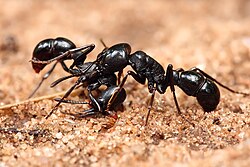
Ants, belonging to the family Formicidae, are among the most successful and diverse groups of insects on Earth. These highly social organisms have shaped ecosystems for millions of years, exhibiting complex behaviors ranging from sophisticated communication to advanced agricultural practices. From the smallest worker to the most formidable queen, the world of ants is a testament to evolutionary ingenuity.
The fossil record indicates that ants have a temporal range spanning from approximately 113 to 0 million years ago. This long history of existence has allowed them to diversify into 21 distinct subfamilies, occupying nearly every terrestrial habitat across the globe.
Key Facts
- Scientific Classification: Family Formicidae, Order Hymenoptera.
- Temporal Range: Approximately 113–0 million years.
- Diversity: 21 recognized subfamilies.
- Global Presence: Found in nearly all regions, with high species counts in Africa and the Neotropics.
- Social Structure: Highly organized colonies often involving specialized castes.
Taxonomy and Evolutionary Origins
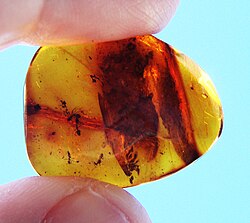
Ants are members of the order Hymenoptera, a group that also includes bees and wasps. Within this order, they belong to the infraorder Aculeata, which are stinging insects. The evolutionary journey of the Formicidae is documented through various fossil finds, including specimens preserved in amber.
The classification of ants is complex, involving numerous subfamilies such as Formicinae, Myrmicinae, and Ponerinae. These groups represent different evolutionary lineages that have adapted to specific ecological niches. The type species for the family is Formica rufa.
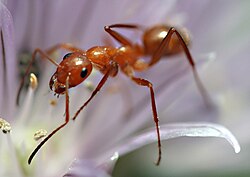
Global Distribution and Species Diversity
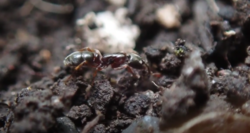
Ants are a cosmopolitan group, meaning they are found worldwide. However, their species density varies significantly by region. The highest concentrations of species are found in Africa and the Neotropics, while regions like Europe and Polynesia host fewer species.
| Region | Number of Species |
|---|---|
| Africa | 2,500 |
| Neotropics | 2,162 |
| Asia | 2,080 |
| Australia | 985 |
| Nearctic | 580 |
| Melanesia | 275 |
| Europe | 180 |
| Polynesia | 42 |
Social Behavior and Colony Life
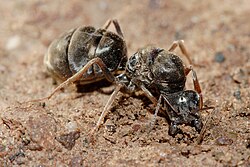
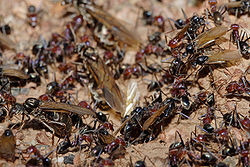
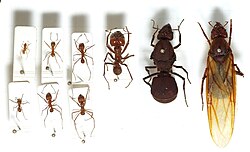
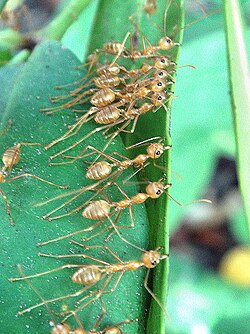
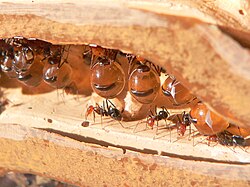
The hallmark of the Formicidae family is their eusociality—a high level of social organization characterized by cooperative brood care, overlapping generations, and a division of labor. This division often manifests as polymorphism, where individuals within the same colony exhibit different physical forms (castes) suited for specific tasks.
Communication and Cooperation
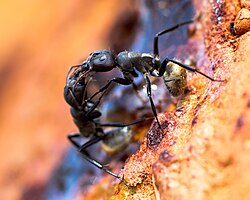
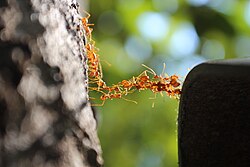
Ants interact with one another through a sophisticated array of signals. They use pheromones (chemical signals) to mark trails, signal danger, or identify nestmates. Tactile communication, such as touch, also plays a vital role in coordinating group movements.

Nest Construction and Defense
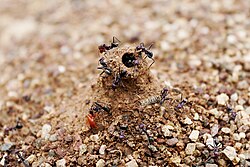
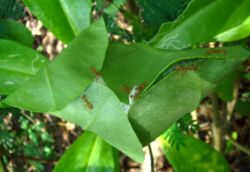
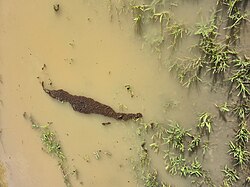
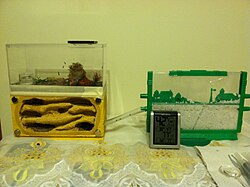
Nests serve as the heart of the colony, providing protection and a controlled environment for larvae. Construction methods vary wildly; some ants build intricate mounds, while others create nests within wood or even weave leaves together using silk produced by their larvae.
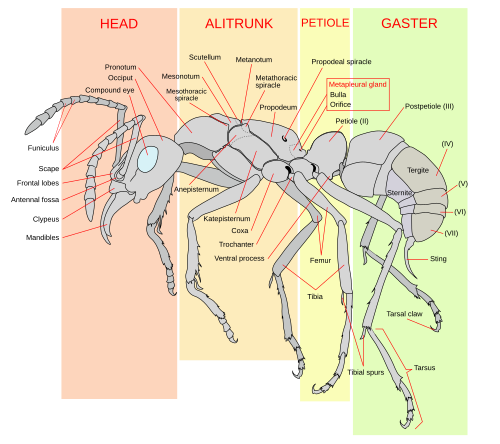
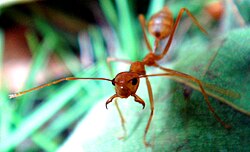
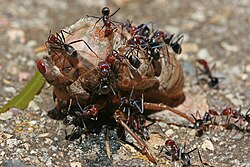
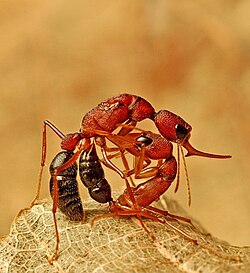
Defense is equally critical. Ants may use powerful mandibles (mouthparts), stings, or even chemical secretions to protect their territory and colony members from predators or rival ant colonies.

Ecological Roles and Human Interaction
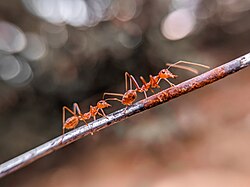
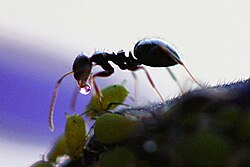
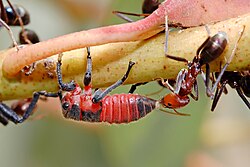
Ants play diverse roles in their environments. Some act as predators, controlling insect populations, while others engage in mutualism—a relationship where both species benefit. For example, some ants tend to aphids to collect honeydew, a sugary secretion.
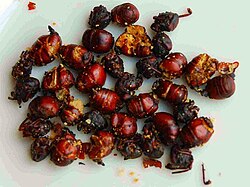
Humans also interact with ants in various ways. While some species are considered pests in urban environments, others are used in biological pest control or even as a food source in certain cultures.

Frequently Asked Questions
How long have ants been on Earth?
The fossil record suggests that ants have existed for approximately 113 million years, dating back to the Cretaceous period.
What is the difference between a queen and a worker ant?
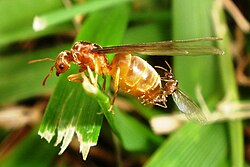
In most ant colonies, the queen is the primary reproductive individual, often much larger than workers. Workers are typically sterile females responsible for foraging, nest maintenance, and caring for the brood.
Do all ants live in colonies?
While the vast majority of ants are social and live in organized colonies, the degree of sociality and the complexity of the colony structure can vary significantly between different species and subfamilies.
How do ants communicate?
Ants primarily communicate using chemical signals called pheromones, but they also use tactile (touch) and sometimes acoustic signals to convey information to other colony members.
Can ants be considered pests?
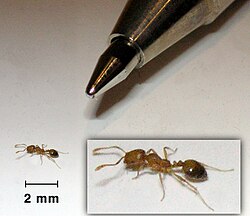
Yes, certain species, such as the pharaoh ant, are known to be significant pests in human environments like hospitals and offices due to their ability to nest in small crevices and spread easily.