Anti-Japanese Sentiment: Global Perspectives and Historical Roots
Anti-Japanese sentiment—the collective feeling of hostility or prejudice toward Japan and its people—is a complex phenomenon shaped by centuries of conflict, colonial history, and geopolitical tension. While modern perceptions vary wildly by region, the roots of these attitudes often trace back to wartime atrocities, territorial disputes, and racial stereotypes.
From the systemic internment of citizens in North America to the enduring scars of occupation in East Asia, the manifestation of these sentiments ranges from diplomatic friction to overt xenophobia. Understanding these dynamics requires a look at both the historical catalysts and current global polling data.
Key Facts
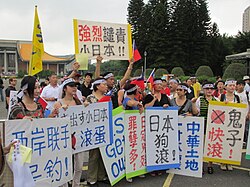
- East Asian Tension: China and South Korea historically exhibit the strongest anti-Japanese sentiments due to the legacy of Japanese occupation and wartime atrocities.
- North American Internment: During World War II, both the United States and Canada forcibly interned thousands of citizens of Japanese descent.
- The Yellow Peril: Early 20th-century racism in the West was often driven by the "Yellow Peril," a xenophobic belief that East Asian populations posed an existential threat to Western society.
- Modern Shifts: Recent polling indicates a trend toward more favorable views of Japan in several regions, including a notable increase in favorability among younger South Koreans.
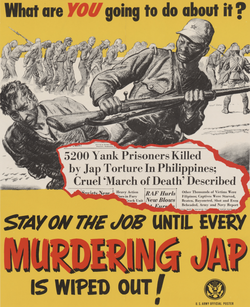
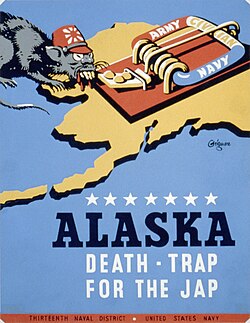
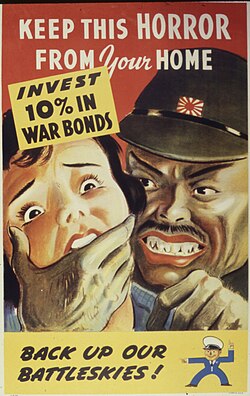
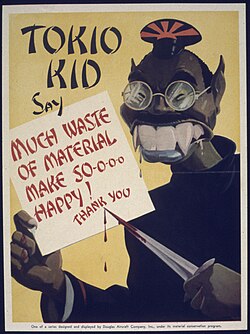
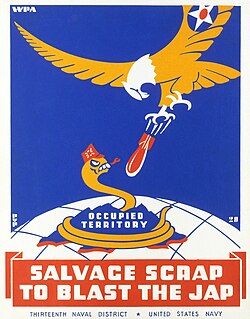
- Propaganda's Role: During the 1940s, the UK and US used grotesque caricatures and dehumanizing imagery to mobilize public support for the war effort.
Global Sentiment Data
Public perception of Japan varies significantly across the globe. The following table summarizes sentiment trends based on available polling data, comparing positive and negative views across various nations.
| Country | Positive/Favorable (%) | Negative/Unfavorable (%) | Net Sentiment (Pos-Neg) |
|---|---|---|---|
| Australia | 78% | 17% | +61 |
| Canada | 77% | 12% | +65 |
| Indonesia | 85% | 7% | +78 |
| Philippines | 84% | 12% | +72 |
| United States | 69% | 18% | +51 |
| South Korea | 68% | 20% | +48 |
| China | 4% - 22% | 71% - 90% | -53 to -86 |
Regional Analysis of Anti-Japanese Sentiment
East Asia: China and Korea
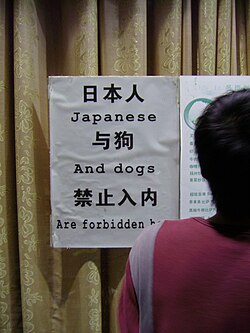
In China, anti-Japanese sentiment is frequently reinforced through state-sanctioned media and cinema. In 2012 alone, over 200 anti-Japanese films were produced. The government has even banned films, such as Devils on the Doorstep (2000), for depicting Japanese soldiers in a friendly light toward Chinese villagers.
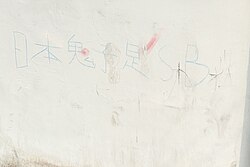
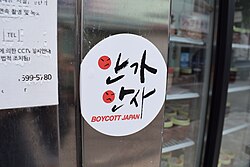
In the Korean Peninsula, attitudes are rooted in the Japanese occupation (1910–1945) and subsequent disputes over historical revisionism in textbooks. However, sentiment has softened in the 2020s; a late 2025 poll showed 56.4% of South Koreans viewed Japan favorably, with the highest approval among those in their 20s and 30s.
Southeast Asia: Philippines and Indonesia
The Philippines' history is marked by the trauma of World War II, where an estimated 1 million Filipinos perished. Survivors in Mapanique have recounted massacres and the forced use of "comfort women" (women forced into sexual slavery by the Imperial Japanese Army). Despite this, relations are now peaceful, largely due to significant Japanese economic aid provided during the 1960s and 1970s.
The Americas: United States, Canada, and Peru
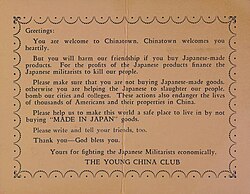
In the United States and Canada, anti-Japanese sentiment peaked during the early 20th century and World War II. Driven by the "Yellow Peril" narrative, the US implemented racially segregated schooling in San Francisco in 1906. During WWII, between 112,000 and 120,000 Japanese migrants and Japanese Americans were forcibly interned on the US West Coast. Canada followed a similar path, with the government finally paying compensation to surviving internees in 1988.
In Peru, anti-Japanese sentiment emerged alongside general anti-Asiatic feelings in the 20th century. Japanese and Chinese immigrants were labeled a "yellow menace," leading to the creation of an Anti-Asian Association in 1917 and the abolition of contract migration in 1923.
Europe and Other Regions
The United Kingdom's relationship with Japan shifted from a military alliance in 1902 to strained ties by the 1930s. During WWII, British propaganda dehumanized the Japanese, often depicting them as animals. Post-war resentment focused heavily on the treatment of British prisoners of war (POWs).

In Brazil, home to the largest Japanese community outside Japan, sentiment has fluctuated. Recent tensions arose in the late 2010s following discriminatory statements by former President Jair Bolsonaro and reports of xenophobia during the COVID-19 pandemic in cities like São Paulo and Rio de Janeiro.
Frequently Asked Questions
What was the "Yellow Peril"?
The Yellow Peril was a racist color-metaphor that depicted East Asians as an existential threat to the Western world, used to justify exclusionary immigration laws and segregation in the early 20th century.
Why is anti-Japanese sentiment so high in China?
It is primarily driven by the memory of the Second Sino-Japanese War and the occupation of China, which is kept active through educational curricula, war films, and political discourse.
What happened to Japanese Canadians and Americans during WWII?
Thousands were forcibly removed from their homes and placed in internment camps regardless of their citizenship or loyalty, based on the fear that they might act as spies for Japan.
How has the sentiment in South Korea changed recently?
While historical grievances remain, there has been a shift toward more positive views in the 2020s, particularly among younger generations (those in their 20s and 30s).
What is "Japan bashing"?
This term refers to a peak of anti-Japanese animosity in the 1980s, largely driven by Japan's rapid economic rise, which caused friction in the United States before fading in the late 1990s.