Antakya: The Historic Crossroads of Civilizations
Nestled in a fertile valley along the Orontes River, just 20 kilometers from the Levantine Sea, lies Antakya. As the capital district of Turkey's Hatay Province, this city is far more than a modern municipality; it is the successor to the ancient city of Antiochia, a metropolis that once served as a beacon of culture, religion, and power for the Mediterranean world.
With a population of approximately 400,000 as of 2022, Antakya remains a cosmopolitan hub where Turkish and Arabic are widely spoken, and a diverse tapestry of faiths continues to coexist. From its foundation by the Seleucid Empire to its role as a cradle of early Christianity, the city's layers of history are visible in its architecture, its museums, and its enduring spirit.
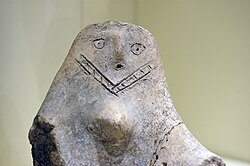
![King Šuppiluliuma I in Hatay Archaeology Museum[citation needed]](/images/86/82/86824f3a36db32b054e2451d072f183ed1ddddd2438781fdceb833c7f90d2d59.jpg)
Key Facts
- Location: Southernmost region of Turkey, Hatay Province.
- Ancient Name: Antiochia (Antioch on the Orontes).
- Religious Significance: A primary center for early Christianity; the term "Christian" is said to have first emerged here.
- Cultural Heritage: Home to the world's second-largest collection of Roman mosaics.
- Recent Tragedy: Severely impacted by the February 6, 2023, earthquakes.
A Journey Through Antiquity and Empire
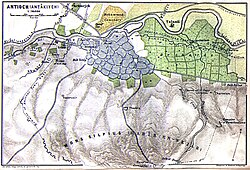
The story of Antakya begins with the Macedonian King Alexander the Great, who occupied the region in 333 BC after the Battle of Issus. However, the city was formally founded in 300 BC by Seleucus I Nicator of the Seleucid Empire. Over the following centuries, it evolved into one of the largest and most influential cities of the Roman and Byzantine Empires, serving as the capital for the provinces of Syria and Coele-Syria.
The Biblical and Early Christian Era
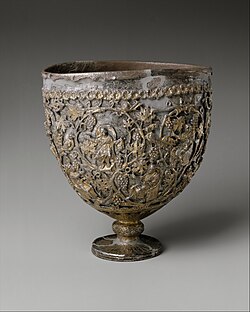
Antakya holds a place of profound importance in religious history. It was a pivotal center for the spread of Christianity, specifically influencing the Maronite, Antiochian Orthodox, and Syriac Orthodox Churches. According to the New Testament, it was in this city that followers of Jesus were first called "Christians." This ecclesiastical importance persisted through the Byzantine era, making the city a major site of pilgrimage.
Medieval Conquests and Transitions
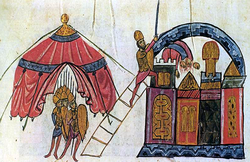
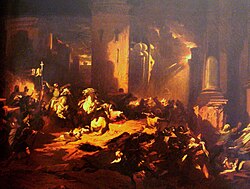
The city's strategic location made it a frequent target for conquest. It was captured by Umar ibn al-Khattab in the 7th century AD, marking the arrival of Islam. The following centuries saw a revolving door of rulers: the Byzantines reconquered it in 969, followed by the Seljuk Turks in 1084, the Crusaders in 1098, and the Mamluks in 1268. Finally, in 1517, the Ottomans integrated the city into their empire, initially under the Aleppo Eyalet.
Modern History and the Turkish Republic
In the 19th century, Antakya faced significant challenges, including devastating earthquakes in 1822 and 1872, as well as cholera outbreaks caused by poor sanitation. Despite these setbacks, the construction of a railway along the lower Orontes valley helped the city regain its economic importance.
The 20th century brought political shifts. Formerly part of the Sanjak of Alexandretta under the French Mandate for Syria and the Lebanon, the area became the Hatay State in 1938. By 1939, it was officially annexed by Turkey to form the Hatay Province, a transition that led to an exodus of many Alawite and Christian residents to the east.
Culture, Demographics, and Daily Life
Antakya is renowned for its multiculturalism. While the majority of the population is Sunni Muslim, there is a significant presence of Alevi and Alawite traditions. Small but active Christian communities remain, and the city continues to be a spiritual destination. Though the Jewish community dwindled to just 14 members by 2014, their presence spanned over two millennia.
Gastronomy of the Orontes Valley
The city's cuisine reflects its Levantine roots, blending flavors from various cultures. Notable savory dishes include Kaytaz böreği (a wheat and beef patty) and Semirsek (thin bread with meat or spinach). The region is also famous for its mezes, such as Hummus, Taratur (a walnut and yogurt dip), and Surke (spicy dried curds). For dessert, the deep-fried pastry rings known as Müşebbek are a local favorite.
The 2023 Earthquake and Recovery
On February 6, 2023, Antakya was devastated by two powerful earthquakes centered in Kahramanmaraş. The destruction was catastrophic; thousands were left homeless, and the death toll in Hatay Province exceeded 20,000. Many of the city's historical treasures, including the Church of St. Paul, the Antakya Synagogue, and the Hatay State Assembly Building, were destroyed.
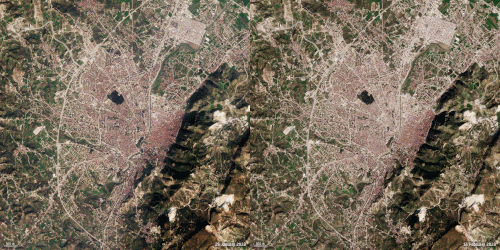
Recovery efforts have been slow and challenging. While the Turkish government pledged reconstruction, reports from late 2023 indicated that many survivors were still living in tents while damaged buildings were gradually demolished. However, new housing projects, such as those in Gülderen, represent the first steps toward rebuilding the city.
City Highlights and Tourism
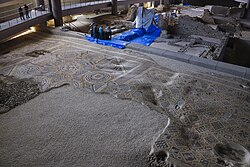
Despite the recent destruction, Antakya remains a treasure trove of archaeology and faith. Visitors often seek out the Hatay Archaeology Museum, which houses an extraordinary collection of Roman mosaics.
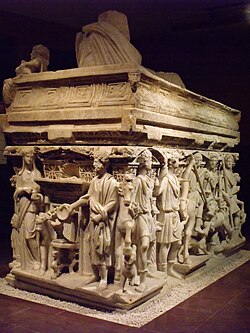
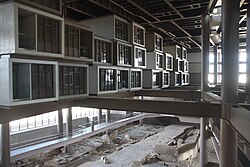
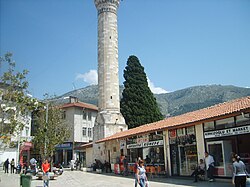
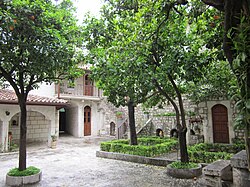
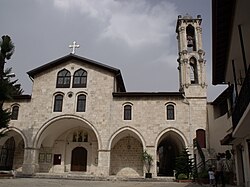
Other significant sites include the Habib'i Neccar Mosque, one of the oldest in Anatolia, the waterfalls of Harbiye, and the Church of Apostles Peter and Paul.
| Category | Details |
|---|---|
| Province | Hatay, Turkey |
| Area | 703 km² (271 sq mi) |
| Population (2022) | ~399,045 |
| Key River | Orontes River |
| Major University | Mustafa Kemal University (est. 1992) |
Frequently Asked Questions
Why is Antakya historically significant for Christianity?
Antakya (ancient Antioch) was one of the most important early centers of the faith. It is famously cited in the New Testament as the place where the followers of Jesus were first called "Christians."
What is the significance of the Hatay Archaeology Museum?
The museum is globally renowned for possessing the second-largest collection of Roman mosaics in the world, showcasing the artistic wealth of the ancient city.
How did the 2023 earthquakes affect the city?
The earthquakes caused massive destruction, razing over 1,200 buildings in the center and destroying key historical sites like the Antakya Synagogue and the Church of St. Paul, leaving thousands homeless.
What are some traditional foods to try in Antakya?
Visitors should try Kaytaz böreği, Müşebbek (sweet pastry rings), and various mezes like Hummus and Taratur, which reflect the city's Levantine culinary heritage.
Which empires have controlled Antakya over time?
The city has been ruled by the Seleucids, Romans, Byzantines, Rashidun Caliphate, Seljuks, Crusaders, Mamluks, Ottomans, and finally the Republic of Turkey.