Animal Utilization in Human Culture and Economy
Throughout history, the relationship between humans and animals has been multifaceted, spanning the gap between survival-based utility and deep emotional or spiritual connection. These interactions are core elements of human culture, encompassing a vast array of species including mammals, birds, fish, crustaceans, molluscs, and insects.
From the livestock that sustains global populations to the symbolic creatures that populate our myths and art, animals serve roles that are both practical and profound. This intersection of biology and culture shapes how we perceive the natural world and our place within it.
Key Facts

- Livestock Scale: As of 2011, global livestock included approximately 1.4 billion cattle, 1.2 billion sheep, and 1 billion domestic pigs.
- Pet Popularity: In the Western world, mammals—specifically dogs, cats, and rabbits—are the most common pets.
- Scientific Role: Animals are essential as biological models for genetics research and drug testing.
- Cultural Impact: Animals appear across all artistic mediums, from prehistoric cave paintings to modern cinema and video games.
- Psychological Bond: Humans often engage in anthropomorphism, the attribution of human traits and emotions to non-human animals.
Practical Uses of Animals
Food Production and Clothing
The most widespread practical use of animals is the production of food. Non-human mammals constitute a significant portion of global livestock, including cattle, sheep, pigs, and rabbits. Beyond mammals, humans rely on fisheries and aquaculture for sustenance.
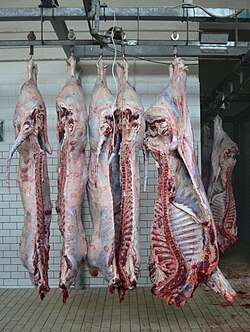
Animals also provide essential materials for textiles and clothing. Sheep are shorn for fleece, and various other species provide skins or fibers used in garment production.
Work, Transport, and Sport
Before the advent of mechanized transport, terrestrial mammals were the primary source of power for labor and travel. This reliance on animal strength continues in various parts of the world for agricultural and transport needs.

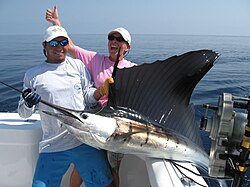
Additionally, animals are utilized in sporting activities, including recreational fishing and hunting, which range from subsistence-based harvesting to leisure pursuits.
Science and Medicine
In the realm of healthcare and biology, animals serve as critical models. They are used in genetics (the study of heredity) and pharmacological testing to ensure the safety and efficacy of new drugs. Some marine organisms, such as the tunicate Ecteinascidia turbinata, have even provided the basis for anti-cancer medications like Yondelis.


Companion Animals
Many people keep animals as pets for companionship. While this includes invertebrates like tarantulas and octopuses, or reptiles like chameleons, mammals remain the most popular choice in Western societies. For instance, 2012 data from America showed approximately 78 million dogs, 86 million cats, and 3.5 million rabbits in homes.

The bond between humans and pets often leads to a tension between viewing animals as companions and recognizing them as individuals with their own rights. The failure to acknowledge these rights is referred to as speciesism.
Symbolic and Cultural Uses
Art and Visual Representation
Animals have been central subjects in art since prehistoric times, evidenced by the cave paintings in the Dordogne region of France and the art of Ancient Egypt. This tradition continues through the centuries, from Albrecht Dürer's 1515 woodcut of a rhinoceros to modern sculptures of microscopic organisms like tardigrades.

Literature, Film, and Media
Animals frequently drive narratives in entertainment. The "Big Bug" movie genre of the 1950s, such as Them! and The Deadly Mantis, explored themes of radiation-induced mutation. Other films, like Alfred Hitchcock's The Birds or Ken Loach's Kes, use animals to explore human tension or coming-of-age stories.

In the modern era, this extends to video games, where digital pets and realistic animal behaviors are integrated into gameplay mechanics to enhance player engagement.
Mythology and Religion
Across diverse cultures, animals embody spiritual significance. Examples include the Zapotec bat god of Oaxaca, the crocodile god Sobek in Egypt, and the various animals associated with the Western and Chinese zodiacs.
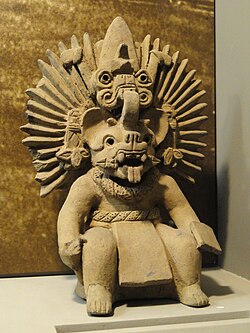
Whether as deities, totems, or symbols of virtue and vice, animals provide a visual and narrative language for human religious expression.
Summary of Animal Roles
| Category | Primary Examples | Key Purpose |
|---|---|---|
| Economic/Practical | Cattle, Sheep, Pigs, Fish | Food, Clothing, Labor |
| Scientific | Mice, Tunicates, Primates | Drug Testing, Genetics, Medicine |
| Companion | Dogs, Cats, Birds, Reptiles | Emotional Support, Companionship |
| Symbolic | Zodiac animals, Mythical beasts | Art, Religion, Mythology |
Frequently Asked Questions
What is anthropomorphism?
Anthropomorphism is the act of attributing human characteristics, emotions, or intentions to non-human animals, a common occurrence in the relationship between people and their pets.
How are animals used in medical research?
Animals serve as biological models to study genetics and test the safety and effectiveness of new pharmaceuticals before they are administered to humans.
What is speciesism?
Speciesism is the practice of ignoring the individual rights of non-human animals, often arising from the tension between treating animals as human companions versus recognizing their intrinsic rights.
Which animals are most commonly raised for meat globally?
The most common livestock include cattle (approx. 1.4 billion), sheep (1.2 billion), and domestic pigs (1 billion), according to 2011 data.
How have animals influenced the film industry?
Animals have inspired various genres, from 1950s science fiction "giant bug" movies to psychological thrillers and dramas that use animal training as a central plot point.