Angel Films and the Concept of Film Blanc
Cinema has long been fascinated by the intersection of the mortal and the divine. Films featuring angels often serve as more than just supernatural stories; they act as vehicles for exploring morality, redemption, and the human condition. From early 20th-century narratives to modern fantasies, these celestial beings guide protagonists through spiritual journeys that often mirror our own desires for hope and second chances.
The Framework of Film Blanc
To better understand the structure of these stories, scholar Peter L. Valenti coined the term film blanc. This specific variety of fantasy film follows a distinct narrative arc that separates it from general supernatural cinema. According to Valenti, a film blanc typically consists of four primary stages:
- A mortal experiences death or enters a deep dream state.
- The mortal meets a kindly representative from the afterlife, most frequently an angel from Heaven.
- A romantic connection or budding love affair develops.
- The protagonist ultimately transcends their mortality to escape the spiritual realm and return to the world of the living.
This structure emphasizes the transition between existence and non-existence, using the angel as a bridge between two worlds.
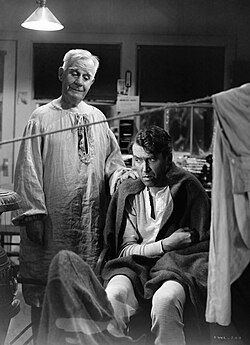
Theoretical Perspectives on Celestial Cinema
Beyond the structural definition of film blanc, historians and critics analyze angel films through several different lenses to understand why these themes persist in popular culture.
Reform Ideology and Social Context
Some analysts argue that the prevalence of angel films in early 20th-century America was a product of reform ideology. During this era, the presence of divine intervention in cinema often reflected broader societal efforts to improve moral standards and social conditions.
Artistic and Genre Influences
The depiction of angels in film does not exist in a vacuum. Scholars have noted significant parallels between angel films and ghost films, as both deal with the presence of non-corporeal entities interacting with the living. Furthermore, the visual and symbolic representation of these beings often draws inspiration from medieval art, which established the traditional iconography of celestial figures long before the invention of the camera.
Key Facts
- Film Blanc: A term defined by Peter L. Valenti to describe fantasy films involving a transition from mortality to a spiritual world and back.
- Narrative Arc: Typical film blanc plots involve death/dreaming, meeting a heavenly guide, romance, and a return to mortal life.
- Historical Root: Early American angel films are linked to the era's reform ideology.
- Artistic Links: These films share thematic similarities with ghost movies and visual roots in medieval art.
| Perspective | Primary Influence/Characteristic |
|---|---|
| Structural (Valenti) | The four-stage "film blanc" cycle |
| Sociological | Early 20th-century American reform ideology |
| Genre-based | Similarities to ghost films |
| Visual/Historical | Medieval art traditions |
Frequently Asked Questions
What is a film blanc?
A film blanc is a type of fantasy film defined by Peter L. Valenti. It typically involves a mortal who dies or dreams, meets a heavenly representative, experiences a romance, and eventually returns to the mortal world.
How do angel films differ from ghost films?
While both involve supernatural entities, angel films are often associated with divine guidance and the "film blanc" structure, whereas ghost films typically focus on spirits tied to the earthly plane.
What role did reform ideology play in these movies?
In early 20th-century America, angel films were often seen as reflections of reform ideology, mirroring the societal push for moral and social improvement.
Where does the visual style of movie angels come from?
Many of the visual representations of angels in cinema are derived from the traditions and styles found in medieval art.