Alicia Kozameh: A Legacy of Literature, Exile, and Resilience
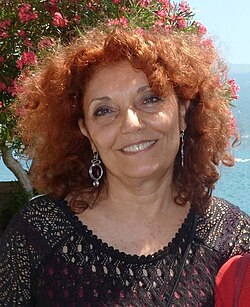
Alicia Kozameh is a distinguished Argentine novelist, poet, and short story writer whose work intertwines personal trauma with political history. Born on March 20, 1953, Kozameh has spent her career navigating the complexities of memory and displacement. Today, she shares her expertise as a Professor in the Creative Writing Program within the Department of English at Chapman University in Southern California.
Her literary output is vast, comprising eight novels, three short story collections, and six books of poetry. Beyond her solo work, she has edited two anthologies and collaborated with fellow former political prisoners to document the harrowing experiences of those detained during Argentina's last military dictatorship.

Key Facts
- Profession: Novelist, poet, and Professor of Creative Writing at Chapman University.
- Core Themes: Political imprisonment, exile, and the Argentine military dictatorship.
- Major Works: Pasos bajo el agua (Steps Under Water) and 259 saltos, uno inmortal.
- Academic Background: Studied philosophy and literature at the University of Rosario and the University of Buenos Aires.
- Global Reach: Works translated into English, French, German, and Italian.
Life and Political Struggle
Born in Rosario, Santa Fe, to a father of Syrian-Lebanese Christian background and a mother of Jewish origin, Kozameh's early adulthood was marked by political upheaval. While studying philosophy and literature at the University of Rosario between 1973 and 1975, her education was violently interrupted. From September 1975 until December 1978, she was held as a political prisoner—someone detained for their political beliefs or activities—during the Argentine military dictatorship.
Following her release, Kozameh faced persistent repression and persecution, forcing her into exile in 1980. She first sought refuge in California and later in Mexico. It was during this period of displacement that she wrote her first novel, El séptimo sueño (The Seventh Dream), though she initially chose not to publish it.
Return to Argentina and Literary Breakthrough
Kozameh returned to Argentina in 1984, following the Falklands War and the restoration of democratic elections. In 1987, Editorial Contrapunto published her second novel, Pasos bajo el agua (Steps Under Water). This work, a fictionalized account of her time as a prisoner and exile, became an immediate success, selling out within six months.
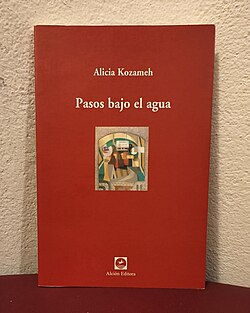
However, the novel's success brought danger. Kozameh was threatened by members of the Argentine political police, prompting her return to California in 1988 to ensure her family's safety. Since then, she has collaborated with Amnesty International, speaking globally about her literary work and her experiences as a political prisoner.
Literary Contributions and Evolution
Kozameh's bibliography reflects a deep engagement with the themes of trauma and survival. Her novel Patas de Avestruz (Ostrich Legs) and 259 saltos, uno inmortal (259 Leaps, the Last Immortal) further explore the psychological landscape of exile. Her later works, such as Basse danse (2007) and Bruno regresa descalzo (2016), continue to expand her narrative range.
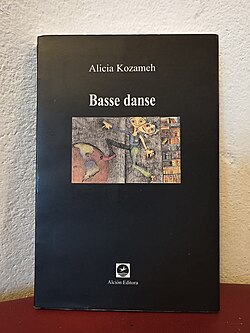
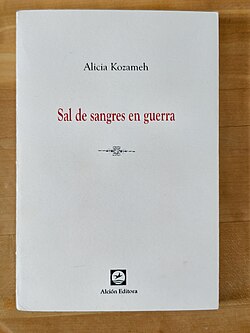
In addition to her novels, Kozameh has contributed significantly to poetry and short fiction. Her poetry collection Mano en vuelo (2009) and the Sal de sangres series (published between 2018 and 2021) showcase her lyrical exploration of conflict and loss.
Collaborations and Editorial Work
Kozameh is also a dedicated editor and collaborator. She co-authored Nosotras, presas políticas (2006), a collective work featuring the testimonies of 112 female political prisoners. She also edited the Caleidoscopio anthologies, which focus on women and immigrants under scrutiny.
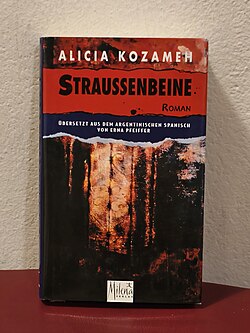
Summary of Major Works
| Title | Genre | First Published | Key Theme |
|---|---|---|---|
| Pasos bajo el agua | Novel | 1987 | Political imprisonment and exile |
| 259 saltos, uno inmortal | Novel | 2001 | Reflections on exile |
| Patas de avestruz | Novel | 2003 (Spanish) | Trauma and survival |
| Ofrenda de propia piel | Short Stories | 2004 | Human experience |
| Mano en vuelo | Poetry | 2009 | Lyrical expression |
Awards and Recognition
Kozameh's writing has earned critical acclaim and prestigious awards. In 1986, her short story "Carta a Aubervillieres" won the "CRISIS" award for best short story. She was also honored with the Memoria histórica de las mujeres en América Latina y el Caribe 2000 award for her piece "Winds of Perpendicular Rotation." Her work is frequently included in university syllabi across the United States and is translated into multiple languages, including German, French, and Italian.
Frequently Asked Questions
What is the central theme of Alicia Kozameh's writing?
Her work primarily focuses on the experiences of political imprisonment, the psychological and physical toll of exile, and the history of the Argentine military dictatorship.
Which of her novels is based on her own life?
Pasos bajo el agua (Steps Under Water) is a fictionalized account of her personal experiences as a political prisoner and an exile.
Where does Alicia Kozameh currently teach?
She is a Professor in the Creative Writing Program within the Department of English at Chapman University in Southern California.
Has her work been translated into other languages?
Yes, her works have been translated into English, French, German, and Italian, making her a globally recognized voice in Latin American literature.
What is the significance of the book "Nosotras, presas políticas"?
This is a collective work involving 112 female political prisoners detained between 1974 and 1983, serving as a vital historical record of their experiences.