Alfalfa: The Essential Legume for Agriculture and Nutrition
Known scientifically as Medicago sativa, alfalfa—often referred to as lucerne—is one of the most significant forage crops in the world. As a member of the Fabaceae family, this perennial legume plays a vital role in both large-scale agriculture and human nutrition. From providing high-protein feed for livestock to serving as a nutrient-dense sprout in modern diets, alfalfa is a cornerstone of global food systems.
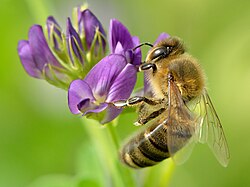
Key Facts
- Scientific Name: Medicago sativa
- Common Name: Alfalfa or Lucerne
- Primary Use: High-quality forage for livestock and nutrient-rich sprouts for human consumption.
- Nutritional Highlight: Raw sprouts are an excellent source of Vitamin K.
- Ecological Role: A key plant for pollinators, including honey bees.
Biological Classification and Characteristics
Alfalfa belongs to the kingdom Plantae and the order Fabales. It is characterized by its distinctive yellow flowers and small seeds, which typically measure approximately 2mm in size. The plant is highly valued for its ability to thrive in various environments, though it requires careful management regarding pests and diseases.
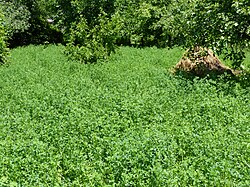
Varieties and Subspecies
There are several recognized subspecies of Medicago sativa, including:
- M. sativa subsp. ambigua
- M. sativa subsp. microcarpa
- M. sativa subsp. sativa
Agricultural Production and Harvesting
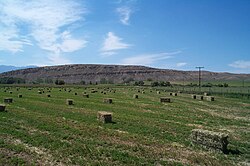
Alfalfa is cultivated globally for its high nutritional value. In many regions, it is grown in vast fields and harvested as hay to support dairy and beef cattle. The harvesting process can result in various forms, such as small square bales or large cylindrical bales, depending on the scale of production and intended use.
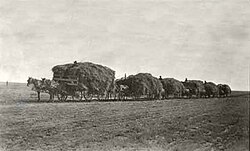
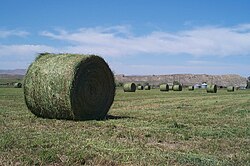
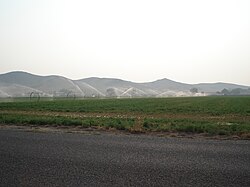
Modern cultivation involves managing various factors, including irrigation and soil health. For instance, watering is a critical component of maintaining healthy fields.
Global Presence and Environment
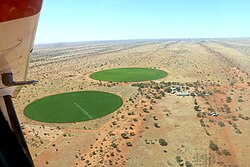
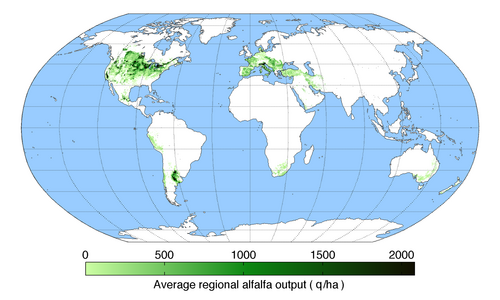
Alfalfa production is a global industry. While it is widely grown in the United States, it is also a major crop in regions like Australia and even in desert environments like the Kalahari Desert.

Nutritional Profile of Alfalfa Sprouts
Beyond its use as animal fodder, alfalfa sprouts are a popular addition to human diets. These sprouts are highly hydrating, consisting of approximately 93% water. They provide a concentrated source of protein and essential vitamins.
| Nutrient | Amount | % Daily Value (DV) |
|---|---|---|
| Energy | 23 kcal | - |
| Protein | 4 g | - |
| Carbohydrates | 2.1 g | - |
| Dietary Fiber | 1.9 g | - |
| Fat | 0.7 g | - |
| Vitamin K | - | 25% |
| Vitamin B5 (Pantothenic acid) | - | 11% |
| Vitamin B2 (Riboflavin) | - | 10% |
| Folate (B9) | - | 9% |
Frequently Asked Questions
What are the main uses of alfalfa?
Alfalfa is primarily used as high-quality forage for livestock, such as dairy and beef cattle, and is also consumed by humans in the form of nutrient-dense sprouts.
Is alfalfa nutritious for humans?
Yes, alfalfa sprouts are a good source of protein and are particularly rich in Vitamin K, which is essential for blood clotting and bone health.
What is the difference between alfalfa and lucerne?
There is no biological difference; "lucerne" is simply another name for the alfalfa plant (Medicago sativa).
How is alfalfa harvested?
Alfalfa is typically harvested as hay and can be processed into different formats, including small square bales or large cylindrical bales.
Does alfalfa play a role in the ecosystem?
Yes, alfalfa is an important plant for pollinators, such as honey bees, which visit the flowers during the blooming process.