Aleppo International Airport
Aleppo International Airport (IATA: ALP, ICAO: OSAP) is a vital aviation gateway serving the city of Aleppo, Syria. Operated by the General Authority of Civil Aviation and owned by the Government of Syria, the airport serves as a secondary hub for Syrian Air and a base for Fly Cham. Situated at an elevation of 1,276 feet (389 meters) above mean sea level, it provides essential connectivity for one of the region's most historic urban centers.
Key Facts
- IATA/ICAO Codes: ALP / OSAP
- Primary Hubs: Syrian Air and Fly Cham
- Terminal Capacity: 1.7 million passengers annually
- Runway: A single asphalt runway (09/27) measuring 3,110 meters (9,547 feet)
- Terminal Size: 38,000 square meters across four floors
- Recent Status: Reopened for commercial traffic on March 18, 2025
Historical Evolution
Early Aviation and Development
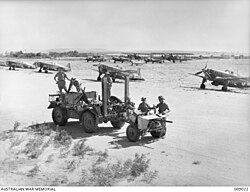
The airport's origins trace back to the early 20th century during the French Mandate. A significant milestone occurred in 1924 when KLM Royal Dutch Airlines utilized the facility for its first flight from Amsterdam to Batavia in the Dutch East Indies. Over the following decades, the site underwent continuous upgrades, culminating in the inauguration of the current modern terminal in 1999.

Impact of the Syrian Civil War
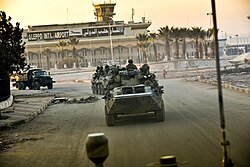
The facility faced severe disruptions starting in January 2013 due to the Syrian civil war. While it briefly reopened in January 2014 to welcome foreign journalists, full civilian operations remained sporadic. Following the government's recapture of eastern Aleppo, a trial flight was conducted on January 5, 2017, marking the first takeoff in four years.
Civilian operations officially resumed on February 19, 2020, with an inaugural flight from Damascus. However, this recovery was interrupted on March 1, 2020, when the airport was targeted by Turkish artillery and drone strikes during Operation Spring Shield. Despite these challenges, scheduled flights to Beirut and Erbil resumed in January 2021 following the COVID-19 pandemic hiatus.
Israeli Air Raids and Operational Disruptions
Between 2022 and 2024, the airport was frequently targeted by Israeli Air Force strikes. In June 2022, Cham Wings Airlines rerouted flights from Damascus to Aleppo after the former was bombed. Subsequent strikes in September 2022, March 2023, May 2023, August 2023, and October 2023 repeatedly damaged the runway, causing temporary closures.
In March 2024, an airstrike targeting an arms depot in Jibrin, near the airport, resulted in the deaths of 36 Syrian soldiers and 6 Hezbollah fighters. These events highlighted the airport's strategic vulnerability during regional conflicts.
Transition and Modern Era
A major shift in control occurred on November 30, 2024, when the Syrian Democratic Forces (SDF) took control of the airport following the withdrawal of pro-government forces. Shortly thereafter, militants from Hayat Tahrir al-Sham (HTS) seized the facility, capturing 10 military aircraft. Following the fall of the Assad regime, the airport transitioned back to civilian use, with the first commercial flight landing on March 18, 2025.
Facilities and Infrastructure
The airport features a modern terminal that blends contemporary design with Islamic architecture. Spanning 38,000 square meters over four floors, the facility is designed to handle 1.7 million passengers per year. Following the war, the terminal was refurbished with assistance from Qatar to restore its operational capacity.
| Feature | Detail |
|---|---|
| Runway Direction | 09/27 |
| Runway Length | 3,110 m / 9,547 ft |
| Surface Type | Asphalt |
| Time Zone | AST (UTC+03:00) |
| Coordinates | 36°10′50″N 37°13′27″E |
Airlines and Destinations
The airport serves a diverse range of international destinations, connecting Aleppo to major cities across the Middle East, Europe, and Asia. Key operators include:
- Syrian Air: Doha, Dubai, Istanbul, Jeddah, Kuwait City
- Fly Cham: Adana–Mersin, Sharjah, Yerevan
- International Carriers: Air Arabia (Abu Dhabi, Sharjah), AJet and Pegasus (Istanbul), Qatar Airways (Doha), Flydubai (Dubai), and Royal Jordanian (Amman).
- European Connections: Dan Air (Bucharest) and LEAV Aviation (Düsseldorf).
Frequently Asked Questions
When did Aleppo International Airport reopen for commercial flights?
The airport reopened for commercial air traffic on March 18, 2025, following the fall of the Assad regime.
What is the passenger capacity of the terminal?
The terminal has a total area of 38,000 square meters and can accommodate 1.7 million passengers per year.
Which airlines use Aleppo as a hub?
The airport serves as a secondary hub for Syrian Air and is also used by Fly Cham.
What is the length of the runway at ALP?
The airport has one asphalt runway (09/27) that is 3,110 meters (9,547 feet) long.
How was the airport affected by the Syrian Civil War?
The airport faced multiple closures, including a total shutdown in January 2013, and suffered repeated damage from drone strikes, artillery, and airstrikes between 2020 and 2024.