Alberto Dalbés: The Versatile Career of an Argentine Cinema Icon
Alberto Dalbés was a distinguished Argentine actor whose career spanned nearly four decades, leaving a significant mark on both South American and European cinema. Born as Francisco Eduardo Eyres Martínez, Dalbés became a recognizable face in a wide array of genres, transitioning from early dramatic roles in Argentina to becoming a staple of European cult cinema in Spain.
Throughout his active years from 1943 to 1980, Dalbés demonstrated a remarkable range, moving seamlessly between mainstream dramas and the avant-garde world of genre filmmaking. He is perhaps best remembered today for his contributions to giallo (Italian-style crime thrillers) and the atmospheric horror films of the 1970s.
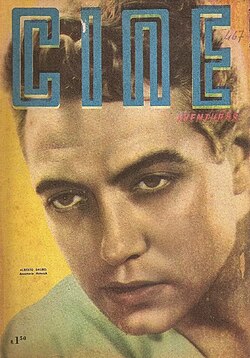
Key Facts
- Birth Name: Francisco Eduardo Eyres Martínez.
- Active Years: 1943–1980.
- Genre Specialization: Horror, Giallo, and Spaghetti Westerns.
- Frequent Collaborator: Appeared in eleven films directed by Jesus Franco.
- Nationality: Argentine.
A Journey Through Cinema Genres
Dalbés began his career in the early 1940s, appearing in films such as La juventud manda (1943) and Juan Moreira (1948). As his career progressed, he expanded his reach into Spanish productions, where he found a niche in the burgeoning world of exploitation and genre cinema.
Horror and Cult Classics
The 1970s marked a prolific period for Dalbés, particularly through his collaboration with the eccentric director Jesus Franco. He appeared in several high-profile cult films, including The Devil Came from Akasava (1971), Daughter of Dracula (1972), and Dracula, Prisoner of Frankenstein (1972). His ability to embody authoritative or mysterious characters made him an ideal fit for the gothic atmosphere of these productions.
Crime and Westerns
Beyond horror, Dalbés was a frequent presence in Spaghetti Westerns (Westerns produced primarily in Europe) and crime dramas. Notable examples include his role as Padre Francisco in 100 Rifles (1969) and his performance as 'Dandy Tom' in Cut-Throats Nine (1972). He also starred in crime-focused narratives such as Night of the Assassins (1974) and A Quiet Place to Kill (1970).
Career Summary and Filmography
From his early days in Rosario, Argentina, to his final days in Madrid, Spain, Dalbés maintained a steady presence on screen. His final role came in 1980 in the film Todos me llaman 'Gato'.
| Category | Details |
|---|---|
| Born | April 3, 1922 (Rosario, Argentina) |
| Died | September 14, 1983 (Madrid, Spain) |
| Total Active Years | 37 Years |
| Key Collaborator | Jesus Franco (11 films) |
| Notable Roles | Dr. Jonathan Seward, Police Superintendant Ptuschko, Thomas Lawrence |
Frequently Asked Questions
What was Alberto Dalbés' real name?
Alberto Dalbés was born Francisco Eduardo Eyres Martínez.
Which director did Alberto Dalbés work with most frequently?
He worked extensively with director Jesus Franco, appearing in eleven of his films, including The Erotic Rites of Frankenstein and Les Demons.
In which genres did Alberto Dalbés specialize?
While he started in general cinema, he became well-known for his roles in horror films, giallo/crime dramas, and Spaghetti Westerns.
When and where did Alberto Dalbés pass away?
He died on September 14, 1983, in Madrid, Spain, at the age of 61.
What are some of his most notable horror films?
Some of his most recognized horror titles include Daughter of Dracula, Hunchback of the Morgue, and Dracula, Prisoner of Frankenstein.