Albania National Football Team: History, Achievements, and Evolution
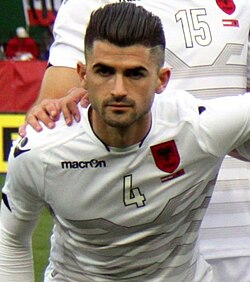
Known affectionately as Kuqezinjtë (The Red and Blacks), the Albania national football team represents the passion and resilience of Albanian sports. Governed by the Federata Shqiptare e Futbollit (FSHF) and competing under the UEFA confederation, the team has evolved from a regional competitor into a side capable of qualifying for Europe's most prestigious tournaments.
From their first international appearance in 1946 to their modern era of success, the Red and Blacks have consistently fought to elevate their standing in the global game, utilizing a blend of domestic talent and experienced players from across the diaspora.
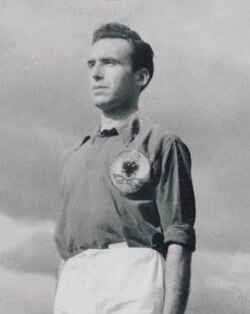
Key Facts
- Nickname: Kuqezinjtë (The Red and Blacks)
- Home Ground: Arena Kombëtare
- Most Capped Player: Elseid Hysaj (100 appearances)
- All-Time Top Scorer: Erjon Bogdani (18 goals)
- Highest FIFA Ranking: 22nd (August 2015)
- Major Honours: Balkan Cup Winners (1946)
Historical Journey and Major Milestones
Albania's journey in international football began on October 7, 1946, with a match against Yugoslavia in Tirana, which ended in a 2–3 defeat. The early years were marked by regional success, most notably winning the Balkan Cup in 1946 under the captaincy of Loro Boriçi.
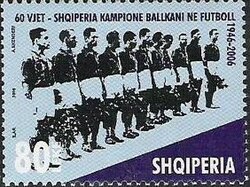
Throughout the 20th century, the team experienced significant fluctuations in form and ranking. While they faced a heavy 12–0 defeat against Hungary in 1950, they also built a foundation of competitiveness that would eventually lead them to the grandest stage of European football.
The European Championship Breakthrough
The 21st century brought a new era of achievement. Albania successfully qualified for the UEFA European Championship for the first time in 2016. Although they exited in the group stage, the tournament provided a historic victory—a 1–0 win over Romania in Lyon.
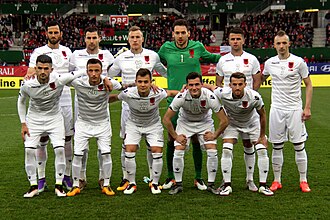
The team proved this was no fluke by qualifying again for the 2024 tournament, once again reaching the group stage and cementing their place as a competitive force in European football.
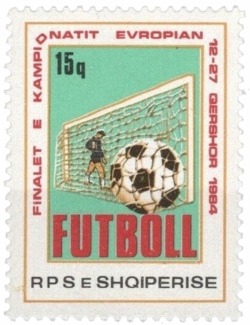
Team Infrastructure and Leadership
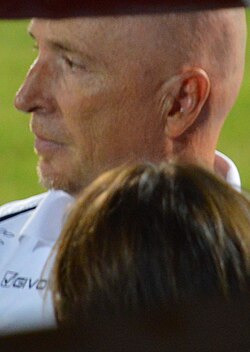
The national team is currently led by head coach Rolando Maran, who oversees a technical staff including assistant coaches Christian Maraner and Ervin Bulku. The squad is captained by Berat Gjimshiti, maintaining a leadership structure focused on tactical discipline and growth.
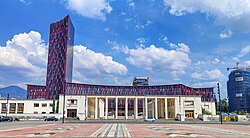
The team plays its home matches at the Arena Kombëtare, a modern facility in Tirana that serves as the fortress for the Red and Blacks.
Supporters and Culture
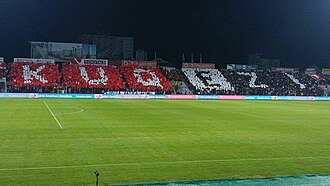
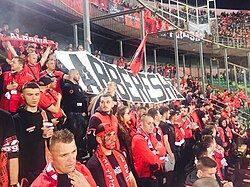
The team is backed by a fervent fanbase, most notably the Tifozat Kuq e Zi, known for their elaborate choreographies and unwavering support both at home and during away fixtures across Europe.
Statistical Overview
Albania's performance history is a testament to their growth. While their lowest FIFA ranking dipped to 124th in 1997, they surged to a peak of 22nd in 2015. Their head-to-head records show strong dominance over nations like San Marino and Andorra, while they continue to challenge established powers.
| Category | Detail |
|---|---|
| Association | Federata Shqiptare e Futbollit (FSHF) |
| Current Head Coach | Rolando Maran |
| Most Caps | Elseid Hysaj (100) |
| Top Scorer | Erjon Bogdani (18) |
| Euro Appearances | 2 (2016, 2024) |
| Balkan Cup Titles | 1 (1946) |
Frequently Asked Questions
Who is the most capped player for Albania?
Elseid Hysaj holds the record for the most appearances for the national team, with 100 caps.
What is Albania's best result in the European Championship?
Albania's best result has been reaching the group stage of the UEFA European Championship in both 2016 and 2024.
Which stadium does the national team call home?
The national team plays its home matches at the Arena Kombëtare in Tirana.
Who is the all-time leading goalscorer for the Red and Blacks?
Erjon Bogdani is the top scorer in the team's history, having netted 18 goals.
When did Albania win the Balkan Cup?
Albania won the Balkan Cup in 1946, which remains one of their most significant early regional achievements.