Alaska Natives: History, Demographics, and Cultural Resilience
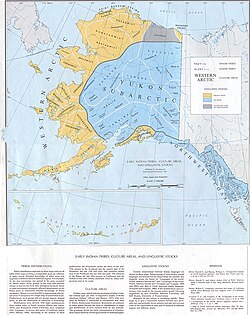
The Indigenous peoples of Alaska, collectively known as Alaska Natives, comprise a diverse array of ethnic groups with deep ancestral ties to the Arctic and Subarctic regions. From the coastal shores of the Aleutian Islands to the interior forests of the Athabascan lands, these populations have maintained a profound connection to the land and sea despite centuries of colonial pressure and systemic challenges.
Today, Alaska Natives represent a vital part of the state's social and cultural fabric, continuing to preserve their languages and traditions while navigating the complexities of modern American citizenship.
Key Facts
- Population: 168,826 people as of the 2010 census.
- Demographics: Constituted 15.4% of the overall Alaskan population as of 2018.
- Major Groups: Includes Alaskan Athabaskans, Aleuts (Unangan), Iñupiat, Yupik, Tlingit, Haida, and Tsimshian.
- Urbanization: 44% of Alaska Natives lived in urban areas by 2010, up from 38% in 2000.
- Legal Milestones: The Alaska Equal Rights Act of 1945 ended legal segregation in the state.
Diverse Ethnic Groups and Languages
The Alaska Native population is not a single monolithic group but a collection of distinct peoples with unique linguistic and cultural identities. These are generally categorized into several primary tribal groupings:
Alaskan Athabaskans
Residing largely in the interior, this group includes the Ahtna, Deg Xitʼan, Denaʼina, Gwichʼin, Hän, Holikachuk, Koyukon, and various Tanana Athabaskans (Lower, Upper, and Tanacross), as well as the Upper Kuskokwim (Kolchan).
Eskimo Groups (Inuit and Yupik)
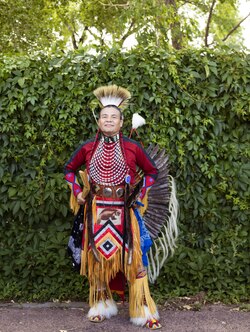
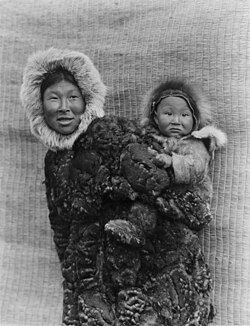
This category includes the Iñupiat (an Inuit group) and the Yupik. The Yupik people are further divided into the Alutiiq (Sugpiaq)—including the Chugach Sugpiaq and Koniag Alutiiq—as well as the Cup'ik, Nunivak Cup'ig, Siberian Yupik (Yupiget), and Central Yup'ik.
Coastal Peoples
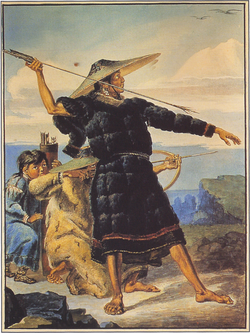
The coastal regions are home to the Aleut (Unangan), as well as the Tlingit, Haida, Tsimshian, and Eyak peoples.
Population Trends and Demographics
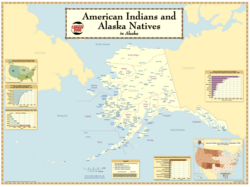
The population of Alaska Natives has experienced dramatic fluctuations over the last three centuries. In 1750, before European settlement, the population was estimated at 93,800. By 1880, this number had plummeted to 32,996, reaching a low of 25,450 in 1910.
Since 1910, the population has rebounded significantly. By 2010, the total population reached 168,826, with 124,758 residing within Alaska and 44,068 living in other parts of the United States.
| Tribal Grouping | Population (Alone) | Total Population (Including Mixed Race) |
|---|---|---|
| Yup'ik | 27,329 | 30,868 |
| Inupiat | 20,941 | 25,687 |
| Alaskan Athabascan | 12,318 | 16,665 |
| Tlingit-Haida | 8,547 | 13,186 |
| Aleut | 7,696 | 11,216 |
| Tsimshian | 1,449 | 1,939 |
A History of Colonialism and Struggle
The Russian Period
Initial contact with Russian settlers (starting around 1741) had a devastating effect on the Aleut population. The introduction of Eurasian infectious diseases, to which Indigenous peoples had no immunity, resulted in the death of approximately 80% of the Aleut population by 1800.
American Colonialism and Segregation
The Klondike Gold Rush (1896–1898) accelerated white settlement and brought discriminatory practices. Alaska Natives faced racial segregation similar to Jim Crow laws, including "whites only" signs and educational barriers. Children of mixed heritage were often forced to abandon their native culture to attend American schools.
The U.S. government also implemented a policy of forced assimilation through the Federal Indian Boarding School Initiative. Children were removed from their villages and prohibited from speaking their native languages, wearing traditional clothing, or practicing their religions, leading to profound intergenerational trauma.
The Fight for Civil Rights
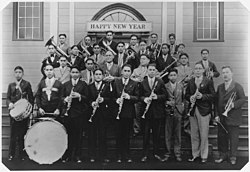
In response to these injustices, the Alaska Native Brotherhood (ANB) was formed in 1912, followed by the Alaska Native Sisterhood (ANS) in 1915. While the 1915 territorial legislature granted voting rights, it required Natives to renounce their cultural customs.
The struggle for equality continued through the 1920s and 40s. Notable activists like Alberta Schenck and Elizabeth Peratrovich fought against public segregation. Their efforts culminated in the Alaska Equal Rights Act of 1945, which legally ended segregation in Alaska.
Land Rights and Modern Governance
Land ownership for Alaska Natives differed from the continental U.S. They were not subject to the Dawes Act of 1887 but were instead managed under the Alaska Native Allotment Act of 1906. This was eventually repealed in 1971 following the Alaska Native Claims Settlement Act (ANCSA), which ended the reservation system for most groups (except the Tsimshian).
Under the Marine Mammal Protection Act of 1972, Alaska Natives maintain the specific right to harvest whales and other marine mammals for subsistence. However, legal challenges remain; for instance, a 1998 Supreme Court decision (Alaska v. Native Village of Venetie Tribal Government) ruled that tribal governments cannot collect taxes on business transacted on tribal land.
Frequently Asked Questions
What are the primary ethnic groups of Alaska Natives?
The primary groups include the Alaskan Athabaskans, Aleuts (Unangan), Iñupiat, Yupik, Tlingit, Haida, and Tsimshian.
How did Russian colonization affect the Indigenous population?
Russian contact introduced Eurasian diseases to which Alaska Natives had no immunity, causing an estimated 80% of the Aleut population to perish by 1800.
What was the purpose of the Federal Indian Boarding Schools?
These schools were part of a federal policy aimed at assimilating Indigenous children by removing them from their families and prohibiting the use of their native languages, clothing, and religions.
When did legal segregation end in Alaska?
Legal segregation ended with the passage of the Alaska Equal Rights Act of 1945, following advocacy by the Alaska Native Brotherhood and leaders like Elizabeth Peratrovich.
Do Alaska Natives still have reservations?
With the exception of the Tsimshian, Alaska Natives no longer hold reservations following the 1971 repeal of the Allotment Act and the implementation of ANCSA, though they still control various lands.