Al Capone: The Rise and Fall of the Chicago Outfit's Boss
Alphonse Gabriel Capone, better known as Al Capone or by his notorious nickname "Scarface," remains one of the most infamous figures in American history. A gangster and businessman who rose to power during the Prohibition era—a period when the manufacture and sale of alcohol were illegal in the United States—Capone became the co-founder and boss of the Chicago Outfit from 1925 to 1931.
His reign was characterized by a ruthless pursuit of power, strategic political alliances, and a public image that fluctuated between a feared criminal and a community benefactor.
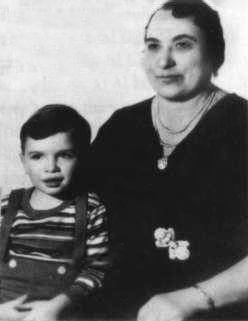
Key Facts
- Full Name: Alphonse Gabriel Capone
- Primary Role: Boss of the Chicago Outfit (1925–1931)
- Major Crimes: Bootlegging, racketeering, and tax evasion
- Infamous Event: The Saint Valentine's Day Massacre
- Conviction: Five counts of tax evasion (26 U.S.C. § 145)
- Sentence: 11 years imprisonment starting in 1931
- Death: January 25, 1947, at age 48
The Ascent of "Scarface"
Capone's criminal career began in New York City before he moved to Chicago, where he established himself as a dominant force in the underworld. By 1925, he had taken control of the Chicago Outfit, leveraging the high demand for illegal alcohol to build a massive financial empire through bootlegging (the illegal production and distribution of liquor).
To maintain his grip on the city, Capone formed strategic political alliances and engaged in violent feuds with rival gangs, most notably with the Aiello brothers. His influence extended beyond the streets, as he managed to infiltrate local government to protect his operations.
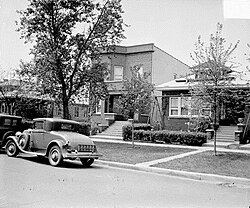
The Saint Valentine's Day Massacre
The peak of Capone's notoriety came with the Saint Valentine's Day Massacre, a brutal event that cemented his reputation as a ruthless leader. While he managed to avoid direct legal conviction for many of his violent crimes, the massacre drew intense federal scrutiny to his operations.
A Complex Public Image
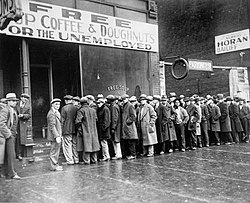
Despite his criminal activities, Capone attempted to cultivate a positive public image. During the Great Depression, he opened one of the first soup kitchens in Chicago to provide food for the unemployed, presenting himself as a man of the people.
Federal Intervention and Downfall
While local law enforcement was often compromised, the federal government eventually found a way to bring Capone down. Because they could not link him directly to his various murders and racketeering charges, federal agents focused on his finances.
In 1931, Capone was convicted on five counts of tax evasion. He was sentenced to 11 years in prison and fined $50,000. This conviction marked the end of his seven-year reign as the king of Chicago's underworld.
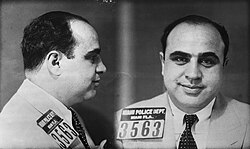
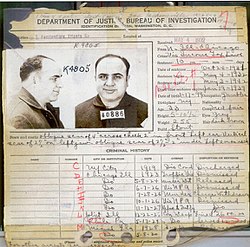
Imprisonment and Final Years
Capone's journey through the penal system was extensive. He spent approximately nine months at the Eastern State Penitentiary in Philadelphia starting in May 1929, and later served time in the Atlanta federal penitentiary.
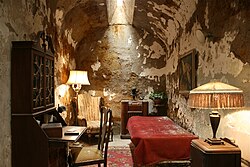
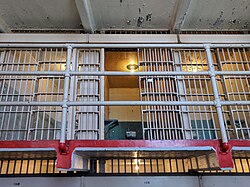
He was eventually transferred to the high-security Alcatraz Federal Penitentiary, where he was held in Cell 181. During his time at Alcatraz, his health began to decline rapidly due to illness.
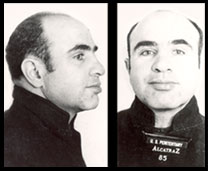
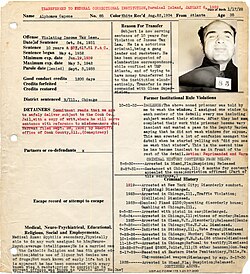
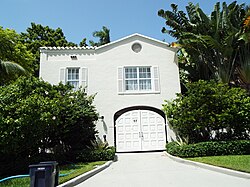
Capone was one of the first historical recipients of penicillin to treat his infectious disease. He was eventually released on parole in 1939 and retired to a villa in Florida, where he lived in seclusion until his death on January 25, 1947.
Summary of Al Capone's Life
| Category | Details |
|---|---|
| Organization | Chicago Outfit |
| Primary Era | Prohibition (1920–1933) |
| Key Conviction | Tax Evasion (1931) |
| Prisons Served | Eastern State, Atlanta, Alcatraz |
| Successor | Frank Nitti |
Frequently Asked Questions
Why was Al Capone called "Scarface"?
The nickname refers to the scars on his face, which were reportedly the result of a physical altercation early in his criminal career in New York.
How did the government finally arrest Al Capone?
Despite his involvement in numerous violent crimes, the government successfully convicted him on five counts of tax evasion, as they could prove he failed to pay taxes on his illegal income.
What was the Chicago Outfit?
The Chicago Outfit was a powerful organized crime syndicate that dominated the city's underworld during the Prohibition era, specializing in bootlegging and racketeering.
Where did Al Capone spend his final days?
After his release from prison, Capone lived in a villa in Florida, where he suffered from declining health until his death in 1947.
Did Al Capone actually help people during the Great Depression?
Yes, he opened soup kitchens for the unemployed in Chicago, though this was largely seen as a way to improve his public image and maintain community support.