Adoption: History, Legal Frameworks, and Global Trends
Adoption is the process by which an individual assumes the parenting of another, typically a child, from their biological or legal parents. Unlike guardianship or temporary care systems, a legal adoption is designed to create a permanent change in status. This process permanently transfers all rights, responsibilities, and filiation—the legal relationship between a child and their parents—from the biological parents to the adoptive parents.
Because adoption alters the fundamental legal identity of a person, it requires societal recognition, usually granted through religious sanction or legal statutes. While some historical societies relied on informal contracts to manage inheritance and parental duties, modern systems developed in the 20th century are governed by comprehensive regulations and laws.

Key Facts
- Permanent Transfer: Legal adoption permanently shifts all parental rights and responsibilities to the adoptive parents.
- Historical Shift: In the U.S., adoption peaked in 1970; it is now less common due to increased family preservation efforts.
- Diverse Origins: Adoptions can occur through private agencies, stepparents, family members, or the foster care system.
- Global Variation: Adoption rates and legal permissions (such as those for same-sex couples) vary significantly by country.
- Foster Care Link: A significant portion of domestic adoptions, particularly in the U.S., originate from the public foster care system.
The Evolution of Adoption
Antiquity and the Well-Born
In ancient times, adoption was often used as a tool for political stability and the preservation of lineage among the elite. In the Roman Empire, for example, adoption was a customary practice that ensured peaceful transitions of power.

From the Middle Ages to the Modern Era
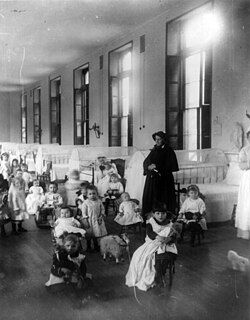
As society evolved, adoption expanded from the nobility to commoners. Early modern efforts shifted away from institutionalization toward boarding children out in family settings to provide a more natural upbringing.
The 20th Century Shift
The mid-20th century saw a dramatic rise in adoption, particularly in the United States, peaking around 1970. However, changing societal views on illegitimacy and the legal rights of children born outside of wedlock led to a rise in family preservation efforts. Consequently, while adoption is more widely discussed today, it is statistically less common than it was several decades ago.

Contemporary Adoption Frameworks
Forms and Origins of Adoption
Modern adoptions generally fall into several categories. Unrelated adoptions often occur through foster care adoption, where a child in public care is adopted by their foster parents once they become legally free. In the U.S. in 2000, approximately 40% of adoptions (51,000 out of 127,500) occurred through this system.

Global Adoption Statistics
Adoption rates vary widely across different nations. The following table provides a snapshot of adoption and birth ratios across several countries.
| Country | Adoptions | Live Births | Ratio (per 100 births) | Notes |
|---|---|---|---|---|
| Australia | 270 (2007–08) | 254,000 (2004) | 0.2 | Includes known relative adoptions |
| England & Wales | 4,764 (2006) | 669,601 (2006) | 0.7 | All adoption orders |
| Germany | 3,601 (2023) | 692,989 (2023) | 0.5 | Includes family/stepparent adoptions |
| Iceland | 20–35 (year) | 4,560 (2007) | 0.8 | - |
| Ireland | 263 (2003) | 61,517 (2003) | 0.4 | - |
| Italy | 3,158 (2006) | 560,010 (2006) | 0.6 | - |
| New Zealand | 154 (2012/13) | 59,863 (2012/13) | 0.26 | - |
| Norway | 657 (2006) | 58,545 (2006) | 1.1 | - |
| Sweden | 327 (2023) | 100,051 (2023) | 0.3 | Includes 84 international adoptions |
| United States | ~136,000 (2008) | 3,978,500 (2015) | ~3.0 | Constant since 1987 |
In the United States, since 2000, adoption types have generally split into international adoptions (15%), government child welfare agencies (40%), and other sources such as private agencies or stepparents (45%).
Complexities and Ethical Challenges
Forced Adoption and Assimilation
Historically, some adoptions were not voluntary. Forced adoption occurred under the guise of child welfare, often targeting children of single or unwed mothers. This was particularly prominent during the "baby scoop era" (1950s–1970s) in the anglosphere. Similarly, in Switzerland between the 1850s and mid-20th century, children of parents in poverty were targeted as Verdingkinder (contract children).
Legal and Social Diversity
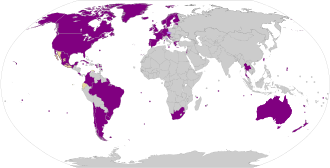
The legal status of adoption continues to evolve, particularly regarding same-sex couples. While some countries allow joint adoption, others permit same-sex marriage but forbid adoption by those couples, and some have no laws allowing same-sex adoption at all.
Beyond legalities, the experience of adoption varies. Some individuals, known as late-discovery adoptees, only learn of their status as adults, which can significantly impact their sense of identity.


Frequently Asked Questions
What is the difference between adoption and guardianship?
Adoption is intended to be a permanent change in status that transfers all legal rights and filiation from biological parents to adoptive parents. Guardianship is generally a system for the care of the young that does not necessarily permanently sever the legal ties to biological parents.
How common is adoption in the United States today?
While adoption is highly visible in modern culture, it is less common than it was in the late 1960s and early 1970s. This decline is largely due to increased efforts in family preservation for children born outside of wedlock.
What is foster care adoption?
Foster care adoption is a type of domestic adoption where a child is first placed in public care. If the child becomes legally free, the foster parents may then apply to adopt them permanently.
What was the "baby scoop era"?
The baby scoop era refers to a period between the 1950s and 1970s in the anglosphere characterized by the forced adoption of children born to unwed or single mothers, often justified by the societal norms of the time.
What are the typical sources of adoption in the U.S.?
Since 2000, approximately 45% of adoptions are voluntary through private agencies or stepparents, 40% are through government child welfare agencies (foster care), and 15% are international adoptions.