Academy Award for Best Original ScreenplayOscarsscreenwritingWoody AllenCitizen Kane

Academy Award for Best Original Screenplay: A History of Cinematic Writing

Academy Award for Best Original Screenplay: A History of Cinematic Writing

The Academy Award for Best Original Screenplay is one of the most prestigious honors in the film industry, recognizing the writers who craft a story from scratch rather than adapting it from a pre-existing book or play. Presented by the Academy of Motion Picture Arts and Sciences (AMPAS), this award celebrates the foundational blueprint of a film: the script.

Since its inception on February 27, 1941, the award has tracked the evolution of storytelling in cinema, from the golden age of Hollywood to the diverse, global narratives of the modern era. Whether it is a biting comedy, a sweeping drama, or a groundbreaking genre-bender, the Best Original Screenplay category highlights the intellectual and creative labor behind the scenes.

Key Facts
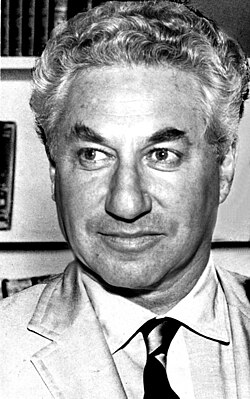
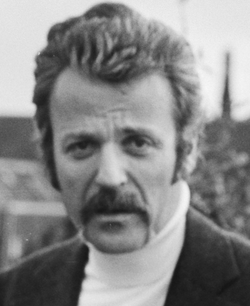
Budd Schulberg won for On the Waterfront (1954)
  • First Awarded: February 27, 1941 (for films released in 1940).
  • Most Nominations: Woody Allen holds the record with 16 nominations.
  • Most Wins: Woody Allen has won the most times (3).
  • Historic First: Jordan Peele became the first African-American to win the award for Get Out (2017).
  • Family Legacy: Francis Ford Coppola and Sofia Coppola are the only father-daughter pair to both win in this category.
  • Recent Winner: Ryan Coogler for Sinners (2025).

The Evolution of the Original Screenplay
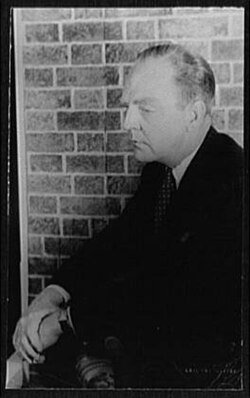
Black-and-white photo of William Inge in 1954.
William Inge won for Splendor in the Grass (1961).

The Early Years and Golden Age

The award began by honoring the tight structures and witty dialogue of the 1940s. One of the most enduring early triumphs was Citizen Kane (1941), co-written by Herman J. Mankiewicz and Orson Welles.
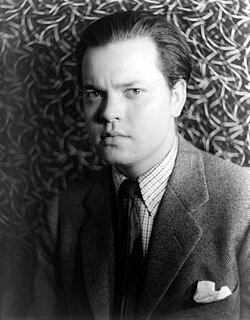
Black-and-white portrait of Orson Welles by photographer Carl Van Vechten in 1937.
Orson Welles co-won the award for Citizen Kane in 1942.
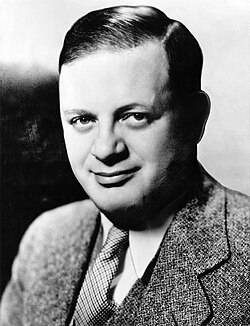
Black-and-white photo of Herman J. Mankiewicz in 1943.
Herman J. Mankiewicz won for Citizen Kane (1941) alongside Orson Welles.

As the industry grew, the 1950s and 60s saw a rise in versatile writers like Billy Wilder, who secured wins for Sunset Boulevard (1950) and The Apartment (1960).
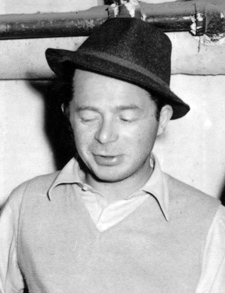
Photograph of Billy Wilder with actress Gloria Swanson during filming of Sunset Boulevard.
Billy Wilder won twice for Sunset Boulevard (1950) and The Apartment (1960).[a]

The era also embraced international flair and musical storytelling, with wins for Alan Jay Lerner (An American in Paris, 1951) and Claude Lelouch (A Man and a Woman, 1966).
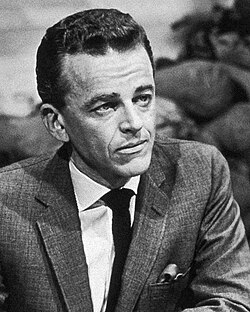
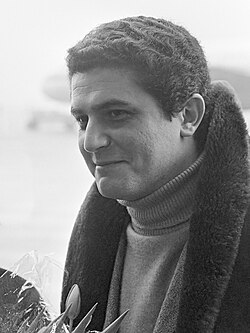
Black-and-white photo of Alan Jay Lerner in 1962
Alan Jay Lerner won for An American in Paris (1951)
Claude Lelouch won for A Man and a Woman (1966)

The New Hollywood and the Rise of the Auteur

The 1970s and 80s marked a shift toward the auteur—a filmmaker who exercises significant creative control over the script and direction. This period saw the emergence of Woody Allen, who became a dominant force in the category. Allen has won three times for Annie Hall, Hannah and Her Sisters, and Midnight in Paris.
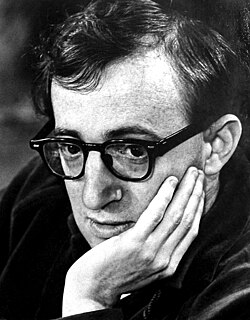
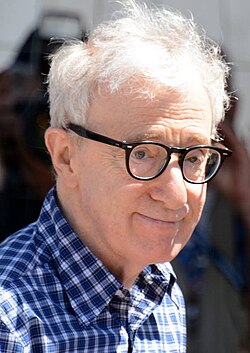
Woody Allen has received the most Oscar nominations in this category with 16, winning three times: for Annie Hall, Hannah and Her Sisters and Midnight in Paris
Woody Allen in 2006.
Woody Allen won thrice for Annie Hall (1977), Hannah and Her Sisters (1986), and Midnight in Paris (2011). He has received sixteen nominations total, the most of any writer.[c]

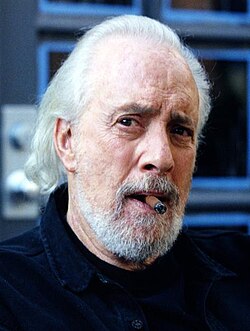
Other influential writers of this era included Paddy Chayefsky, who won twice for The Hospital (1971) and Network (1976), and Robert Towne, who won for the neo-noir classic Chinatown (1975).
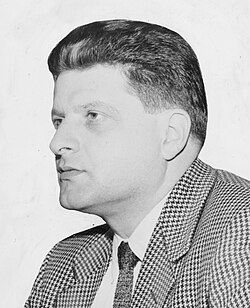
A young Paddy Chayefsky in 1958.
Paddy Chayefsky won twice for The Hospital (1971) and Network (1976)
Robert Towne smoking in a cigar from a still of the movie that bears his name.
Robert Towne won for Chinatown (1975).

Modern Storytelling and Global Influence

From the 1990s to the present, the award has reflected a broader range of voices and styles. Quentin Tarantino brought a stylized, non-linear approach to winning scripts like Pulp Fiction (1994) and Django Unchained (2012).
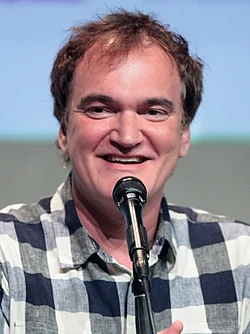
Tarantino at the San Diego Comic-Con International.
Quentin Tarantino won twice for Pulp Fiction (1994), and Django Unchained (2012)

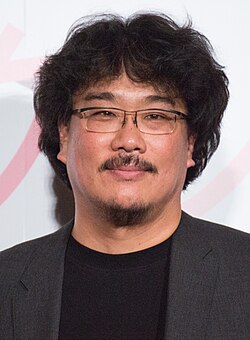
The 21st century has seen a surge in international winners and diverse perspectives. Bong Joon-ho and Han Jin-won made history with Parasite (2019), while the Coen brothers have consistently been recognized for their unique voice, winning for Fargo (1996).
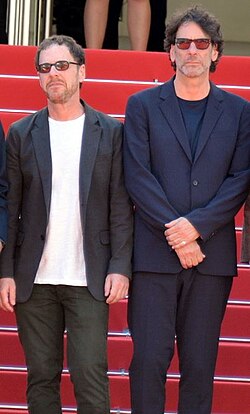
The Coen brothers at the Cannes Film Festival in 2015.
Writer-director pair the Coen brothers won for Fargo (1996)
Bong Joon Ho in 2017 at the Japan premiere of Okja.
Bong Joon-ho won for Parasite (2019), co-written with Han Jin-won.

Recent years have continued this trend of innovation, with wins for the Daniels for Everything Everywhere All at Once (2022) and Justine Triet and Arthur Harari for Anatomy of a Fall (2023).
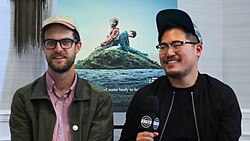
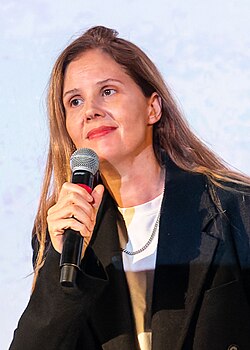
Daniels won for Everything Everywhere All at Once (2022).
Justine Triet co-won for Anatomy of a Fall (2023).
Arthur Harari co-won for Anatomy of a Fall (2023).

Summary of Notable Winners and Records
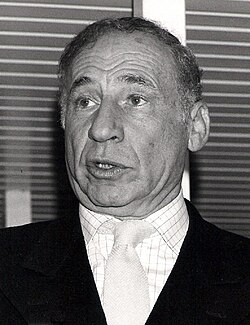
Mel Brooks in 2010 at a ceremony to give him a star on the Walk of Fame.
Mel Brooks won for his comedy The Producers (1968).
Notable Academy Award for Best Original Screenplay Milestones
Category Name/Film Year/Count
Most Nominations Woody Allen 16
Most Wins Woody Allen 3
First African-American Winner Jordan Peele (Get Out) 2017
First Award Given Preston Sturges (Angels Over Broadway) 1941
Most Recent Winner Ryan Coogler (Sinners) 2025

Frequently Asked Questions
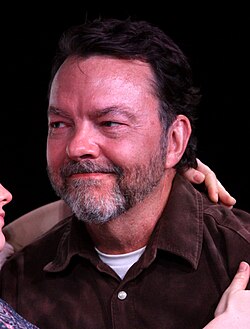
William Goldman in November 2008.
William Goldman, winner in 1969 for Butch Cassidy and the Sundance Kid.
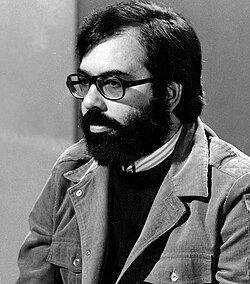
Francis Ford Coppola in 2011.
Francis Ford Coppola won for Patton (1970).[b]
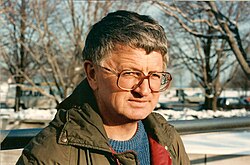
Steve Tesich outside on a snowy day in 1990.
Steve Tesich won for Breaking Away (1979).
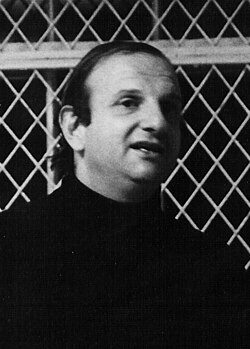
Black-and-white portrait of Bo Goldman.
Bo Goldman won for Melvin and Howard (1980).
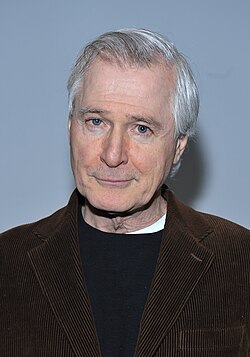
Portrait of John Patrick Shanley in 2015.
John Patrick Shanley won for Moonstruck (1987).
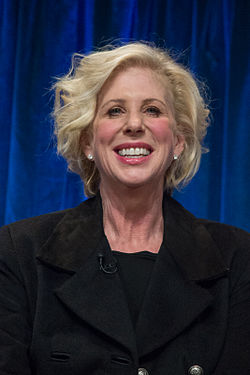
Callie Khouri won for Thelma & Louise (1991)
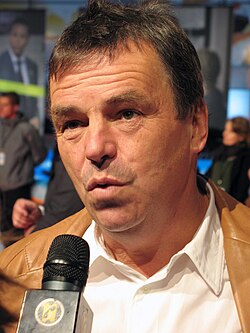
Neil Jordan in 2007.
Neil Jordan won for The Crying Game in 1992.
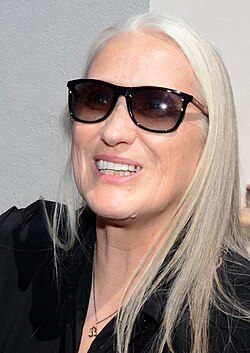
Jane Campion in 2014.
Jane Campion won for The Piano in 1993.
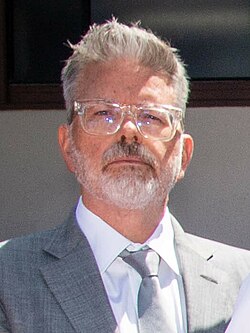
Christopher McQuarrie in 2022.
Christopher McQuarrie won for The Usual Suspects in 1995.
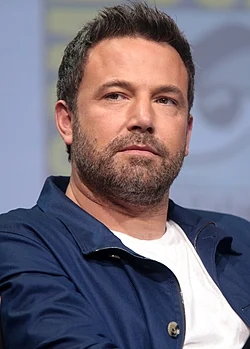
Ben Affleck won for co-writing Good Will Hunting (1997)
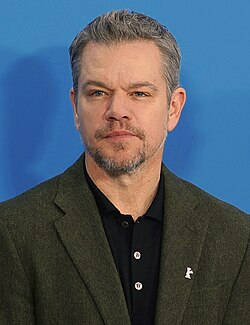
Matt Damon won for co-writing Good Will Hunting (1997)
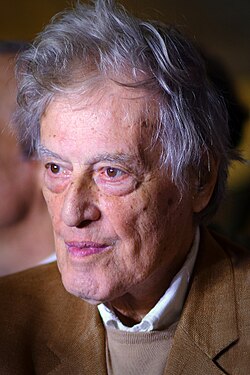
Tom Stoppard won for Shakespeare in Love (1998)
Alan Ball won for American Beauty (1999)
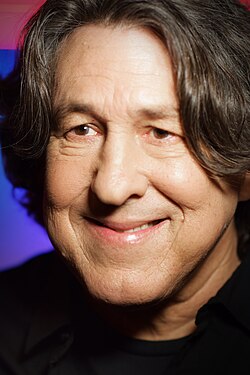
Cameron Crowe won for Almost Famous (2000)
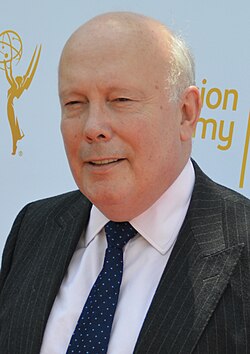
Julian Fellowes won for Gosford Park (2001)
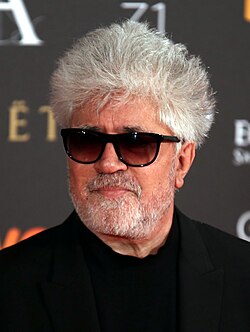
Pedro Almodóvar won for Talk to Her (2002)
Coppola in 2003.
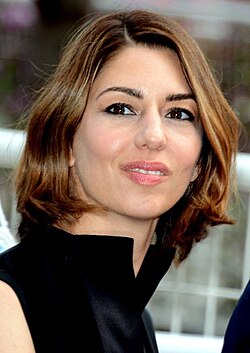
Sofia Coppola won for 2003's Lost in Translation. Her father previously won for Patton.[d]
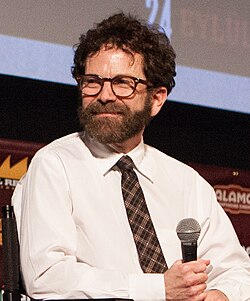
Charlie Kaufman won for Eternal Sunshine of the Spotless Mind (2004)
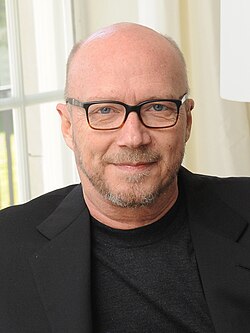
Paul Haggis won for Crash (2005)
Michael Arndt won for Little Miss Sunshine (2006)
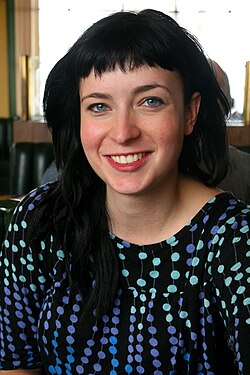
Cody, January 2008.
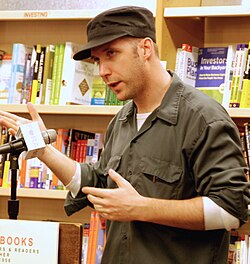
Diablo Cody won for 2007's Juno.
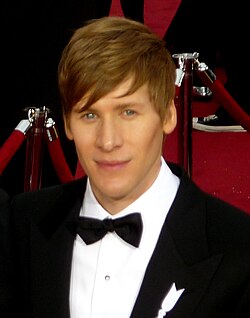
Dustin Lance Black at the 81st Academy Awards.
Dustin Lance Black won for 2008's Milk.
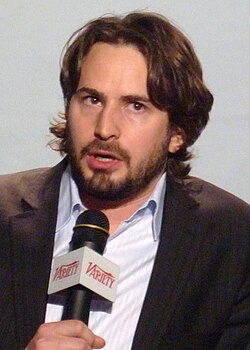
Mark Boal in 2012.
Mark Boal won for 2009's The Hurt Locker.
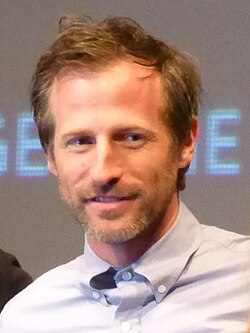
Jonze at the 2013 New York Film Festival.
Spike Jonze won for Her (2013).
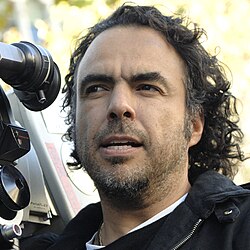
Iñárritu with a camera in production.
Alejandro G. Iñárritu won for Birdman (2014).
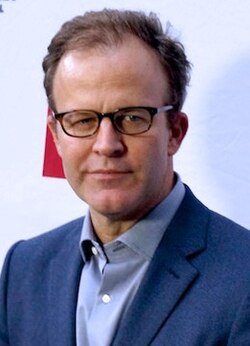
Tom McCarthy.
Tom McCarthy won for Spotlight (2015).
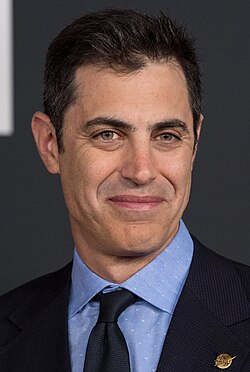
Josh Singer won for co-writing Spotlight (2015)
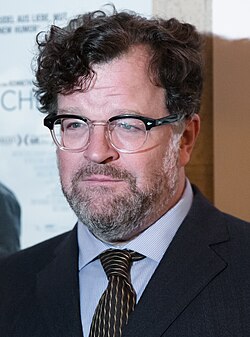
Kenneth Lonergan in Vienna, 2016.
Kenneth Lonergan won for Manchester by the Sea (2016).
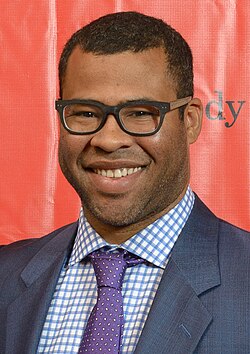
Peele at the May 2014 Peabody Awards
Jordan Peele became the first African-American to win with Get Out (2017).
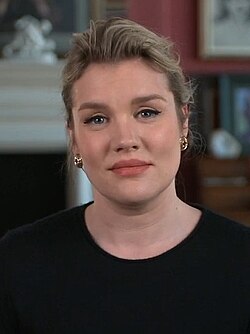
Emereld Fennell reading from a book in 2013.
Emerald Fennell won for Promising Young Woman (2020).
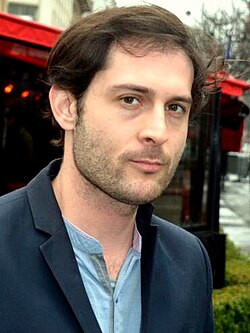
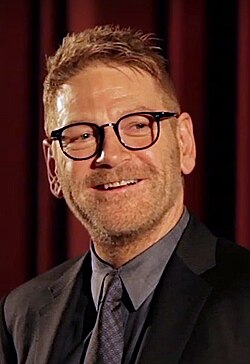
Kenneth Branagh won for Belfast (2021)
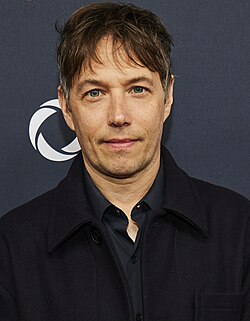
Sean Baker won for Anora (2024).

What is the difference between an Original and Adapted screenplay?

An Original Screenplay is a work written specifically for the screen that is not based on any previously published material. An Adapted Screenplay is based on a pre-existing work, such as a novel, play, or short story.

Who has the most nominations in this category?

Woody Allen holds the record for the most nominations in the Best Original Screenplay category, with a total of 16.

Which father and daughter both won this award?

Francis Ford Coppola (for Patton) and Sofia Coppola (for Lost in Translation) are the only father-daughter pair to have both won the award.

Who was the first African-American to win Best Original Screenplay?

Jordan Peele became the first African-American to win the award in 2017 for his film Get Out.

How many times has Quentin Tarantino won?

Quentin Tarantino has won the award twice, for Pulp Fiction (1994) and Django Unchained (2012).