Articles/Academy Award for Best Director: A History of Cinematic Excellence
Academy Award for Best DirectorOscarsBest Director winnersJohn FordWilliam Wyler
Academy Award for Best Director: A History of Cinematic Excellence
Academy Award for Best Director: A History of Cinematic Excellence The Academy Award for Best Director is one of the most prestigious honors in the global film industry. Presented by the ...
Academy Award for Best Director: A History of Cinematic Excellence
The Academy Award for Best Director is one of the most prestigious honors in the global film industry. Presented by the Academy of Motion Picture Arts and Sciences (AMPAS), this award recognizes excellence in cinematic direction achievement, honoring the visionaries who steer a film from script to screen.
Since its inception nearly a century ago, the award has evolved from a split category of comedy and drama into a singular, competitive honor that reflects the changing landscape of storytelling, technology, and cultural diversity in cinema.
Key Facts
First Awarded: May 16, 1929.
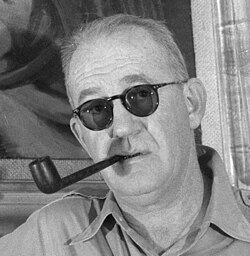
Most Wins: John Ford holds the record with 4 wins.
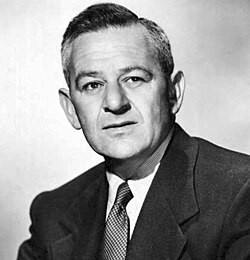
Most Nominations: William Wyler holds the record with 12 nominations.
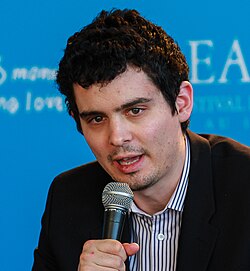
Youngest Winner: Damien Chazelle (age 32) for La La Land.
Oldest Winner: Clint Eastwood (age 74) for Million Dollar Baby.
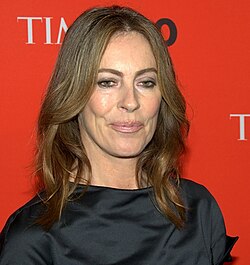
First Woman Winner: Kathryn Bigelow for The Hurt Locker (2009).
The Early Era: From Split Categories to Golden Age
The first ceremony in 1929 featured a unique structure where directors were recognized in two separate categories: Dramatic Picture and Comedy Picture. Frank Borzage took home the trophy for the dramatic category for 7th Heaven, while Lewis Milestone won for the comedy category for Two Arabian Knights.
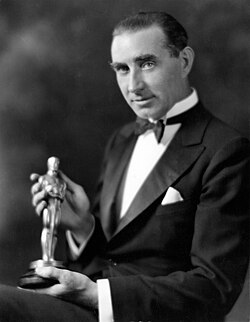
Frank Borzage won twice: "Dramatic director" at the first ceremony, for 7th Heaven (1927); & later, Bad Girl (1931).Lewis Milestone won twice: "Comedy director" at the first ceremony, for Two Arabian Knights (1927); & later, All Quiet on the Western Front (1930).
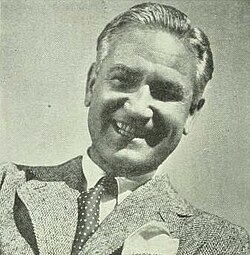
As the 1930s progressed, the award became a benchmark for the "Golden Age" of Hollywood. Directors like Frank Capra and Frank Lloyd emerged as early powerhouses, with Capra securing three wins for classics such as It Happened One Night and Mr. Deeds Goes to Town.
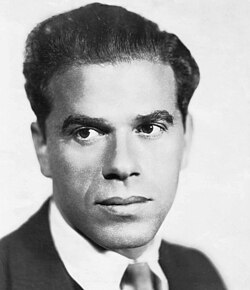
Frank Lloyd won twice, for The Divine Lady (1929) & Cavalcade (1933).Frank Capra won thrice, for It Happened One Night (1934), Mr. Deeds Goes to Town (1936), & You Can't Take It with You (1938).
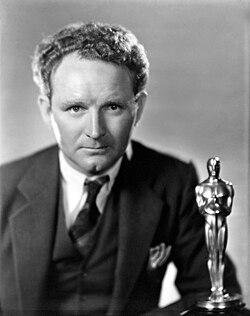
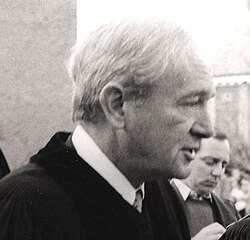
John Ford eventually set a lasting record by winning four times, showcasing his mastery across films like The Grapes of Wrath and The Quiet Man.
John Ford won a record four times, for: The Informer (1935), The Grapes of Wrath (1940), How Green Was My Valley (1941), & The Quiet Man (1952).
Mid-Century Mastery and Technical Evolution
The 1940s and 50s saw the rise of directors who pushed the boundaries of narrative and visual style. William Wyler became the most nominated director in history, eventually winning three times for films including Ben-Hur. This era also saw the emergence of Billy Wilder and Elia Kazan, both of whom won multiple awards for their distinct approaches to storytelling.
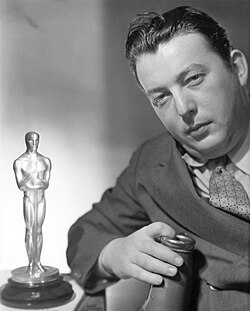
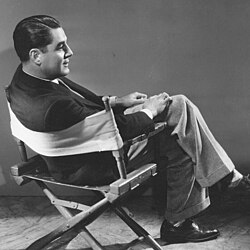
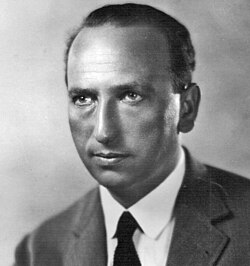
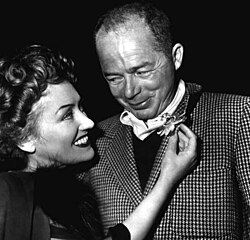
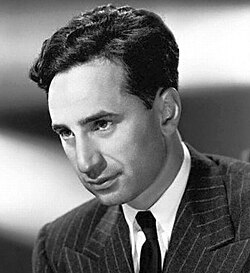
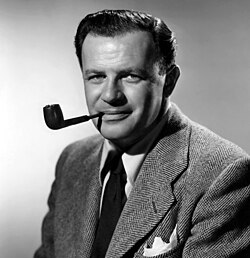
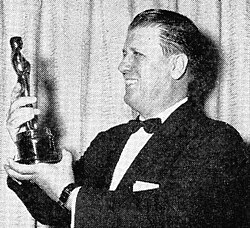
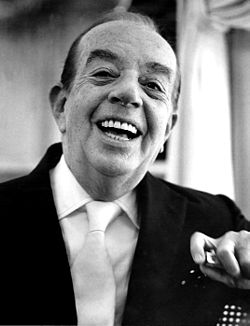
Leo McCarey won twice, for The Awful Truth (1937) & Going My Way (1944).Victor Fleming won for Gone with the Wind (1939).William Wyler, with a record twelve nominations, won thrice, for: Mrs. Miniver (1942), The Best Years of Our Lives (1946), & Ben-Hur (1959).Michael Curtiz won for Casablanca (1942).Billy Wilder (right, with Gloria Swanson) won twice, for The Lost Weekend (1945) & The Apartment (1960).Elia Kazan won twice, for Gentleman's Agreement (1947) & On the Waterfront (1954).
The 1950s introduced a wave of international influence and consecutive wins. Joseph L. Mankiewicz achieved a rare feat by winning back-to-back awards for A Letter to Three Wives and All About Eve.
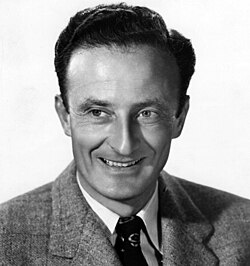
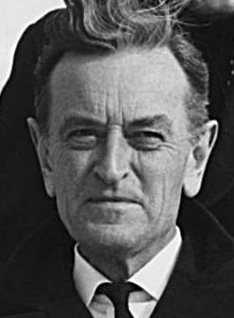
Joseph L. Mankiewicz won twice consecutively, for A Letter to Three Wives (1949) & All About Eve (1950).George Stevens won twice, for A Place in the Sun (1951) & Giant (1956).Fred Zinnemann won twice, for From Here to Eternity (1953) & A Man for All Seasons (1966).David Lean won twice, for The Bridge on the River Kwai (1957) & Lawrence of Arabia (1962).Vincente Minnelli won for Gigi (1958).
Breaking New Ground: 1960 to 2000
The latter half of the 20th century was marked by bold experimentation. Robert Wise made history by jointly winning with Jerome Robbins for West Side Story, the first time the award was shared. The 1970s and 80s brought a diverse array of winners, from the gritty realism of Francis Ford Coppola to the satirical wit of Woody Allen.
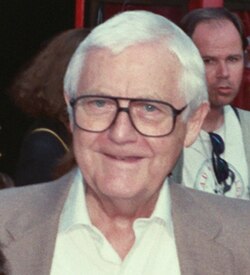
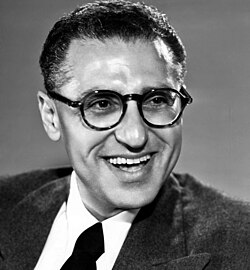
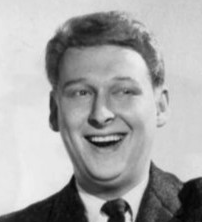
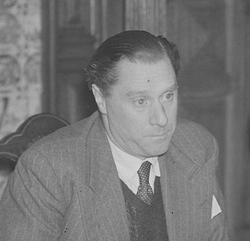
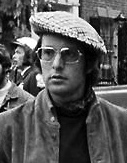
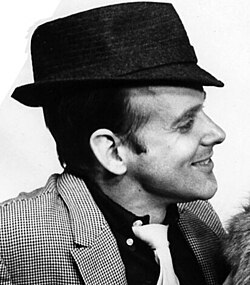
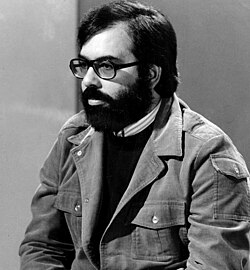
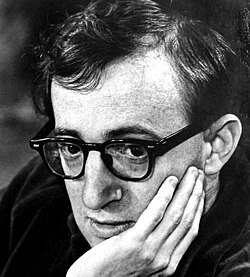
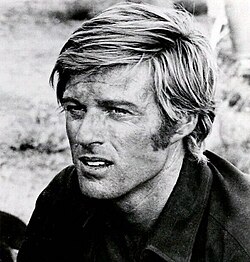
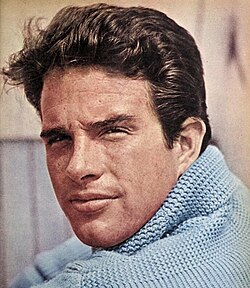
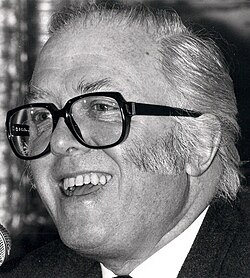
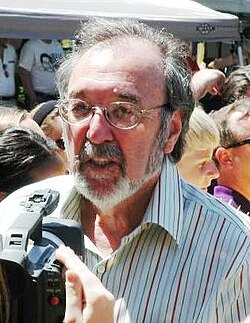
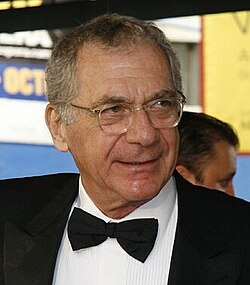
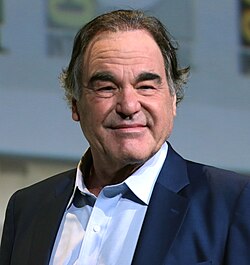
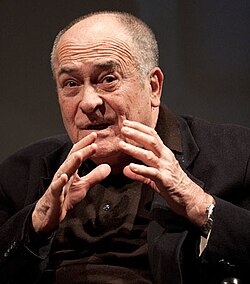
Robert Wise won twice: jointly with Jerome Robbins (an Oscars first) for West Side Story (1961) & solo for The Sound of Music (1965).George Cukor won for My Fair Lady (1964).Mike Nichols won for The Graduate (1967).Carol Reed won for Oliver! (1968).Franklin J. Schaffner won for Patton (1970).William Friedkin won for The French Connection (1971).Bob Fosse won for Cabaret (1972).Francis Ford Coppola won for The Godfather Part II (1974).Miloš Forman won twice, for One Flew Over the Cuckoo's Nest (1975) & Amadeus (1984).Woody Allen won for Annie Hall (1977).Robert Redford won for Ordinary People (1980).Warren Beatty won for Reds (1981).Richard Attenborough won for Gandhi (1982).James L. Brooks won for Terms of Endearment (1983).Sydney Pollack won for Out of Africa (1985).Oliver Stone won twice, for Platoon (1986) & Born on the Fourth of July (1989).Bernardo Bertolucci won for The Last Emperor (1987).Barry Levinson won for Rain Man (1988).
Entering the 1990s, the award recognized a blend of epic scale and intimate drama. Steven Spielberg secured wins for Schindler's List and Saving Private Ryan, while James Cameron's Titanic became a global phenomenon.
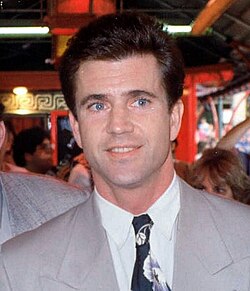
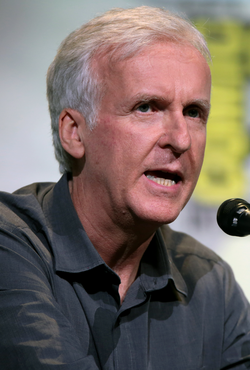
Kevin Costner won for Dances With Wolves (1990).Jonathan Demme won for The Silence of the Lambs (1991).Clint Eastwood won twice, for Unforgiven (1992) & Million Dollar Baby (2004)—latter, at 74, rendered him the oldest winner.Steven Spielberg won twice, for Schindler's List (1993) & Saving Private Ryan (1998).Robert Zemeckis won for Forrest Gump (1994).Mel Gibson won for Braveheart (1995).James Cameron won for Titanic (1997).
The Modern Era: Diversity and Global Reach
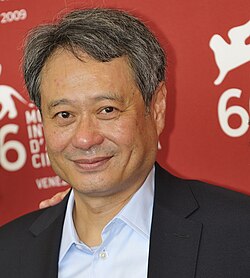
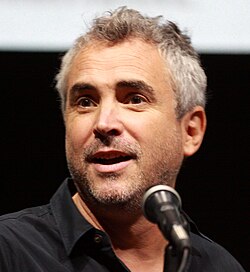
The 21st century has seen the Academy break long-standing barriers. Ang Lee became the first Asian winner, and Alfonso Cuarón became the first Mexican winner. In 2009, Kathryn Bigelow made history as the first woman to win the award for The Hurt Locker.
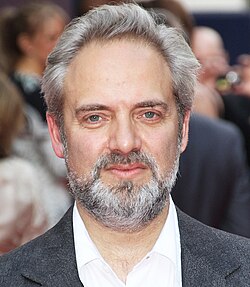
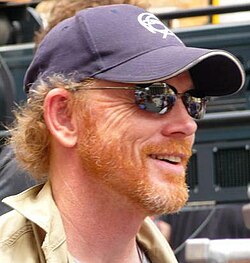
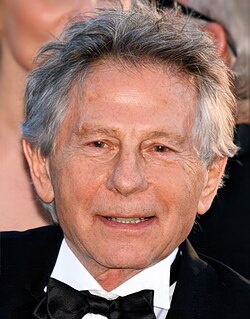
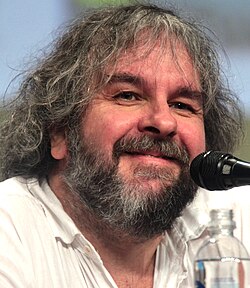
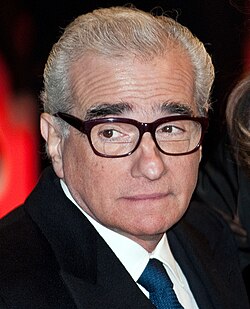
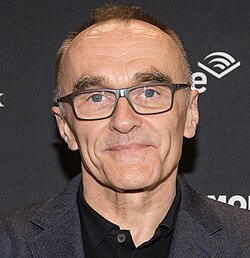
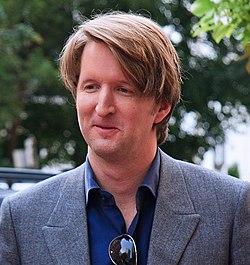
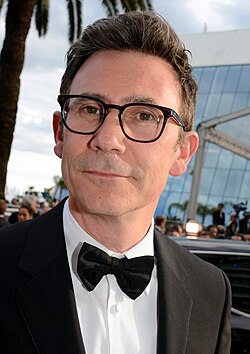
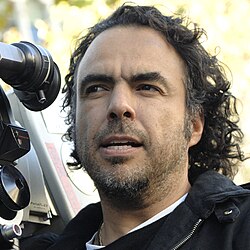
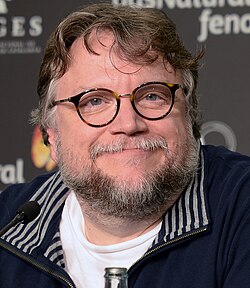
Sam Mendes won for American Beauty (1999).Steven Soderbergh won for Traffic (2000).Ron Howard won for A Beautiful Mind (2001).Roman Polanski won for The Pianist (2002).Peter Jackson won for The Lord of the Rings: The Return of the King (2003).Ang Lee won twice, for Brokeback Mountain (2005) & Life of Pi (2012); first Asian winner.Martin Scorsese won for The Departed (2006).The Coen brothers won for No Country for Old Men (2007).Danny Boyle won for Slumdog Millionaire (2008).Kathryn Bigelow won for The Hurt Locker (2009); first woman to win.Tom Hooper won for The King's Speech (2010).Michel Hazanavicius won for The Artist (2011).Alfonso Cuarón won twice, for Gravity (2013) & Roma (2018); first Mexican winner.Alejandro G. Iñárritu won twice consecutively, for Birdman (2014) & The Revenant (2015).Damien Chazelle won for La La Land (2016); youngest winner, at age 32.Guillermo del Toro won for The Shape of Water (2017).
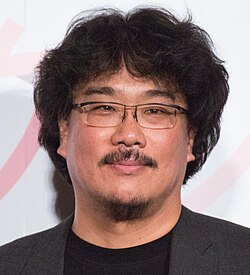
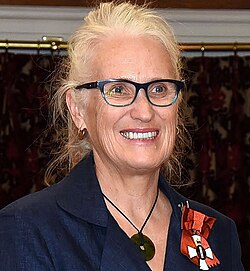
Recent years have continued this trend of inclusivity. Bong Joon-ho's Parasite was the first foreign-language film to have its director win for a Best Picture winner. Chloé Zhao became the first woman of color to win, and Jane Campion became the first woman to be nominated twice.
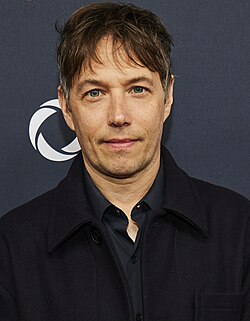
Bong Joon-ho won for Parasite (2019); first to direct a foreign-language (Korean) winner for Best Picture.Chloé Zhao won for Nomadland (2020); first woman of color to win.Jane Campion won for The Power of the Dog (2021); first woman to be nominated twice.Daniels won for Everything Everywhere All at Once (2022).Christopher Nolan won for Oppenheimer (2023).Sean Baker won for Anora (2024).
Summary of Historic Achievements
Category
Director
Record/Achievement
Most Wins
John Ford
4 Wins
Most Nominations
William Wyler
12 Nominations
Youngest Winner
Damien Chazelle
32 Years Old
Oldest Winner
Clint Eastwood
74 Years Old
First Woman Winner
Kathryn Bigelow
Won in 2009
Frequently Asked Questions
Who has won the most Best Director Oscars?
John Ford holds the record for the most wins, having received the award four times.
Who is the most nominated director in history?
William Wyler holds the record for the most nominations with a total of 12.
Who was the first woman to win the Best Director award?
Kathryn Bigelow became the first woman to win the award in 2009 for her film The Hurt Locker.
Who is the youngest person to win Best Director?
Damien Chazelle is the youngest winner, receiving the award at the age of 32 for La La Land.
Has a foreign-language film ever won Best Director?
Yes, Bong Joon-ho won for Parasite (2019), marking the first time a director of a foreign-language film won for a movie that also won Best Picture.