Abu Dhabi: The Evolution of a Global Metropolis
As the capital city of the United Arab Emirates, Abu Dhabi has transformed from a quiet coastal settlement into a sprawling, high-tech metropolis. Known for its striking skyline and rich cultural heritage, the city serves as a vital economic and political hub in Asia. The name itself carries deep roots in the region's natural history; "Abu" is the Arabic word for father, and "Dhabi" means gazelle, making the city's name translate to "Father of Gazelle."
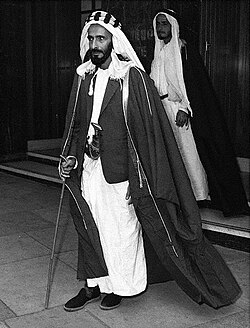
Historical Foundations and Growth
The history of Abu Dhabi is closely tied to the Al Nahyan family and the traditional industries of the Trucial coast. Before the modern era of rapid development, the local economy relied heavily on the pearl trade. The discovery of oil marked a definitive turning point, triggering an unprecedented era of growth and infrastructure development that reshaped the landscape.
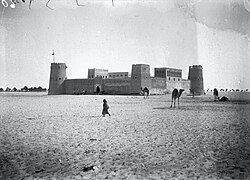
This transition is most visible in the city's demographics. In 1960, the population was a modest 25,000. By 2023, that number had surged to approximately 3.8 million, reflecting the city's status as a major destination for residents and professionals worldwide.
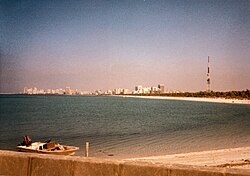
Geography and Climate
Located at coordinates 24°28′N 54°22′E, Abu Dhabi covers a total area of 972 km². The city sits at an elevation of 27 meters above sea level. The climate is characterized by significant heat, particularly during the summer months. For instance, record high temperatures have reached 49.0°C (120.2°F).
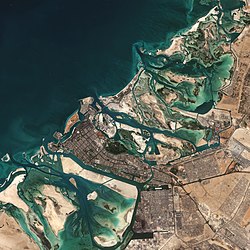
Despite the arid conditions, the city manages its environment through advanced utility services. Rainfall is minimal, with an average annual precipitation of approximately 50.2 mm, often occurring in very few days throughout the year.
Economic Powerhouse
Abu Dhabi boasts a robust economy, with a total GDP of US$ 118.4 billion recorded in 2023. The per capita GDP stands at a significant US$ 75,600. While oil remains a foundational element, the city has actively diversified its economic interests into tourism, finance, and international trade.
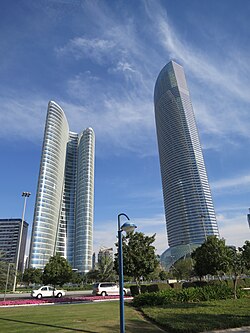
Architecture and Cultural Landmarks
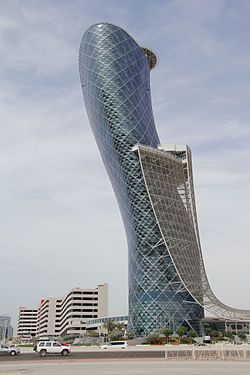
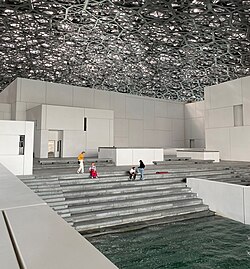
The cityscape of Abu Dhabi is a blend of traditional heritage and futuristic design. Iconic structures like the Sheikh Zayed Grand Mosque and the Louvre Abu Dhabi showcase the city's commitment to culture and art. Modern architectural marvels, such as Capital Gate, further define the skyline.
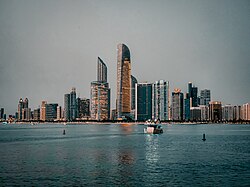
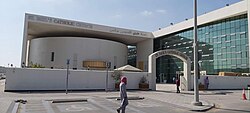
Religious diversity is reflected in the city's landscape, which includes various multi-faith worship places, such as St. Paul's Church and the BAPS Hindu Temple, fostering a spirit of coexistence.
Modern Infrastructure and Connectivity
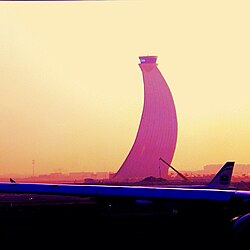
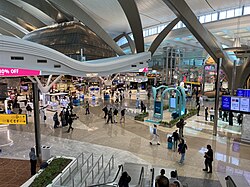
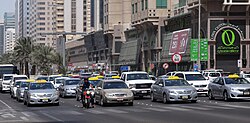
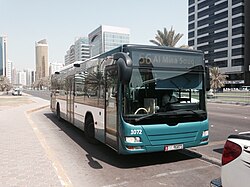
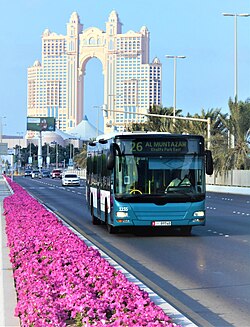
To support its growing population, Abu Dhabi has invested heavily in transportation. Zayed International Airport serves as a primary gateway, featuring modern facilities like Terminal A. The city is also served by the Abu Dhabi Bus Service and is exploring future technologies like flying taxi vertiports.
For urban mobility, the city utilizes a network of roads and public buses to connect residential and commercial districts.
Leisure, Sports, and Entertainment
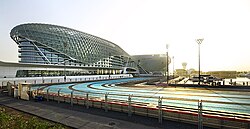
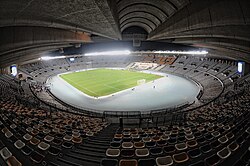
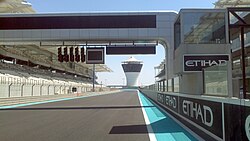
Abu Dhabi is a global destination for sports enthusiasts. The Yas Marina Circuit hosts the Abu Dhabi Formula 1 Grand Prix, while the Zayed Sports City Stadium hosts various international football and athletic events. For families, attractions like Ferrari World and the Emirates Park Zoo provide diverse entertainment options.
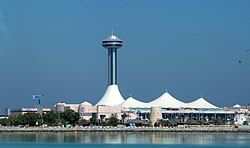
Shopping and lifestyle needs are met by large-scale developments such as the Marina Shopping Mall, ensuring the city remains a comprehensive metropolis for all residents.
Key Facts
- Meaning of Name: "Father of Gazelle"
- Capital Status: Capital of the United Arab Emirates
- 2023 GDP: US$ 118.4 billion
- Population (2024): Approximately 2,189,860
- Major Airport: Zayed International Airport
- Key Landmark: Sheikh Zayed Grand Mosque
City Overview Summary
| Category | Details |
|---|---|
| Total Area | 972 km² |
| Elevation | 27 m |
| Time Zone | UTC+4 (UAE Standard Time) |
| Per Capita GDP (2023) | US$ 75,600 |
| Twin Cities | Houston, Madrid, Brisbane, Minsk, Bethlehem |
Frequently Asked Questions
What does the name Abu Dhabi mean?
The name translates to "Father of Gazelle," derived from the Arabic words "Abu" (father) and "Dhabi" (gazelle).
What is the main economic driver of Abu Dhabi?
While the economy was historically built on the pearl trade and later oil, it has significantly diversified into sectors like tourism, finance, and global trade.
How is the climate in Abu Dhabi?
Abu Dhabi has an arid climate with very high temperatures, especially in the summer, where record highs have reached 49°C.
What are some major tourist attractions in the city?
Major attractions include the Sheikh Zayed Grand Mosque, the Louvre Abu Dhabi, Ferrari World, and the Yas Marina Circuit.
Is Abu Dhabi well-connected for international travelers?
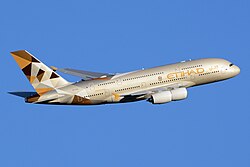
Yes, the city is served by Zayed International Airport, which provides extensive global connectivity via airlines such as Etihad Airways.