Abraham: The Patriarch of Monotheism and His Biblical Legacy
Abraham stands as one of the most pivotal figures in human religious history. Known as the father of monotheism—the belief in a single, all-powerful God—his narrative in the Book of Genesis serves as the foundation for Judaism, Christianity, and Islam. His life is portrayed not as a single linear plot, but as a series of episodes that illustrate the journey of an ideal religious person defined by faith, blessing, and divine promise.
The central themes of Abraham's life revolve around the promise of progeny and land. These "narrative programs" begin with the challenge of Sarah's sterility and the divine command for Abraham to leave his ancestral home for a land God would reveal to him.
Key Facts
- Birth Name: Originally named Abram.
- Origin: Born in Ur of the Chaldees, Mesopotamia.
- Spouses: Sarah, Hagar (concubine), and Keturah.
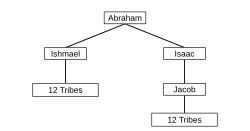
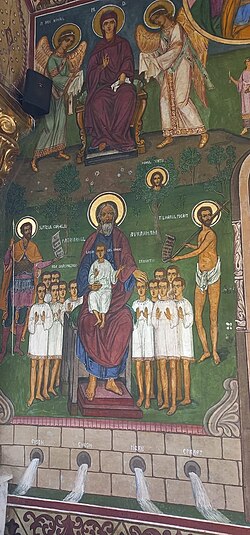
- Primary Legacy: The progenitor of the Twelve Tribes of Israel and the father of Ishmael.
- Core Belief: Established the foundation of monotheistic faith.
- Death: Died at age 175 and was buried in the Cave of Machpelah in Hebron.
The Life and Journey of Abraham
Origins and Divine Calling
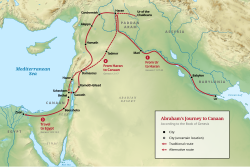
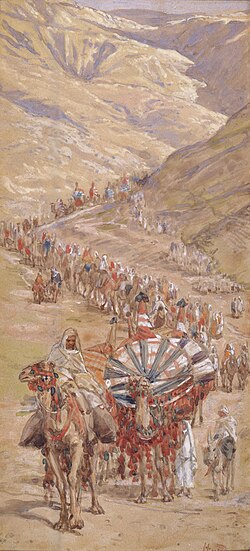
Abraham's journey began in Ur of the Chaldees. Following a divine calling, he left his homeland to travel to Canaan. This transition marked the beginning of a series of covenants—sacred agreements—between Abraham and God. One of the most significant was the Covenant of the Pieces, where God promised Abraham that his descendants would be as numerous as the stars.
Family Dynamics and Challenges
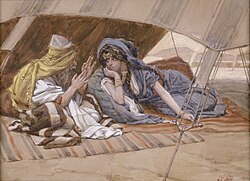
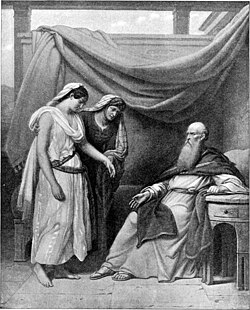
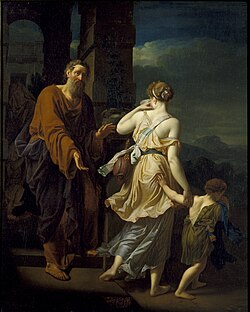
Abraham's personal life was marked by complex family relationships. Because his wife Sarah was sterile, Abraham had a son, Ishmael, with Sarah's handmaid, Hagar. Eventually, the divine promise was fulfilled with the birth of Isaac to Sarah in their old age. This led to tension and the eventual expulsion of Hagar and Ishmael.
The Ultimate Test: The Binding of Isaac
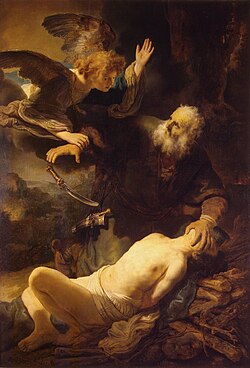
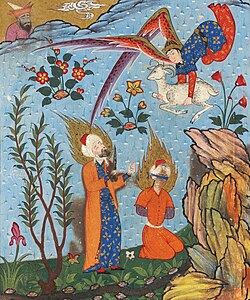
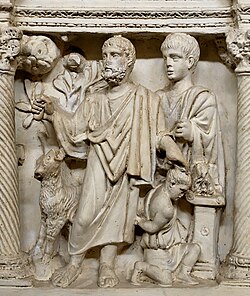
The most dramatic episode in the Abraham cycle is the Binding of Isaac. God commanded Abraham to offer his son Isaac as a sacrifice to test his faith. Just as Abraham was about to perform the act, an angel intervened, providing a ram for the sacrifice instead.
Historical and Archaeological Perspectives
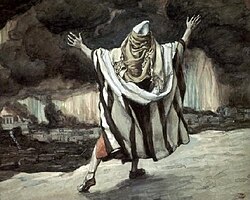
The historicity of Abraham has been a subject of intense scholarly debate. In the early 20th century, scholars like William F. Albright believed the patriarchs were real individuals from the 2nd millennium BCE. However, by the 1970s, a paradigm shift occurred.
Scholars such as Thomas L. Thompson and John Van Seters argued that the patriarchal narratives lacked archaeological evidence from the 2nd millennium BCE and instead reflected the social conditions of the Iron Age. By the 21st century, most archaeologists ceased attempting to recover a historical context for Abraham, viewing the stories as theological or ancestral traditions rather than strict historical records.
Alternative Hypotheses
- The Raham Hypothesis: Mario Liverani suggested Abraham might be based on the eponymous ancestor of the 13th-century BCE Raham tribe.
- Autochthonous Hero Theory: Israel Finkelstein and Thomas Römer proposed that Abraham was an ancestral hero worshiped in Hebron, with traditions originating in the monarchic period.

Cultural and Artistic Impact
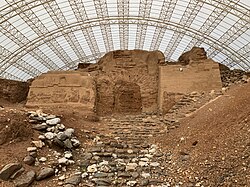
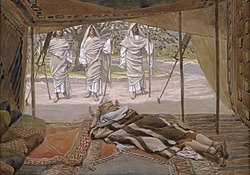
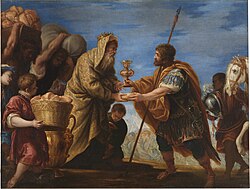
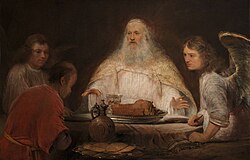
Abraham's influence extends far beyond scripture into art, music, and literature. From the 4th-century Sarcophagus of Junius Bassus to the works of Rembrandt and James Tissot, his life has been a recurring theme in Western art.
In modern culture, Abraham appears in the music of Bob Dylan, specifically in the song "Highway 61 Revisited," which references the divine command to sacrifice a son.
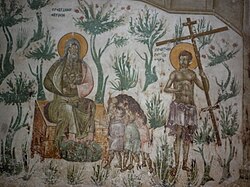
Summary of Abraham's Lineage and Life
| Category | Details |
|---|---|
| Birth Name | Abram |
| Parents | Terah and Amathlai |
| Spouses | Sarah, Hagar, Keturah |
| Key Children | Isaac, Ishmael, Zimran, Jokshan, Medan, Midian, Ishbak, Shuah |
| Key Descendants | Jacob, Esau, Twelve Tribes of Israel |
| Burial Site | Cave of Machpelah, Hebron |
Frequently Asked Questions
Who is considered the father of monotheism?
Abraham is recognized as the father of monotheism because he is credited with establishing the belief in one single God, moving away from the polytheistic traditions of his time.
What was the significance of the Binding of Isaac?
The Binding of Isaac served as the ultimate test of Abraham's faith and obedience to God. It is a central narrative in the Abraham cycle, demonstrating his willingness to sacrifice his most precious possession for the divine will.
Is there archaeological evidence that Abraham existed?
While early 20th-century scholars believed he was a historical figure from the 2nd millennium BCE, modern biblical scholarship and archaeology generally view the patriarchal narratives as Iron Age creations or ancestral traditions rather than documented history.
Which religions claim Abraham as a forefather?
Abraham is a central figure in Judaism, Christianity, and Islam (where he is known as Ibrahim), as well as the Druze and Baháʼí faiths.
What is the difference between Abram and Abraham?
Abram was his birth name. According to the biblical narrative, God changed his name to Abraham as part of the covenant, signifying his new role as the father of many nations.