1994 FIFA World Cup: Brazil's Triumph in the United States
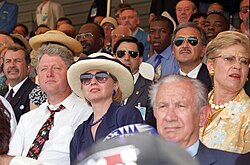
The 1994 FIFA World Cup, often referred to as USA '94, marked a pivotal moment in the history of global soccer. Hosted by the United States from June 17 to July 17, the tournament brought the world's most prestigious football competition to North American soil for the first time in decades, setting new standards for attendance and commercial scale.
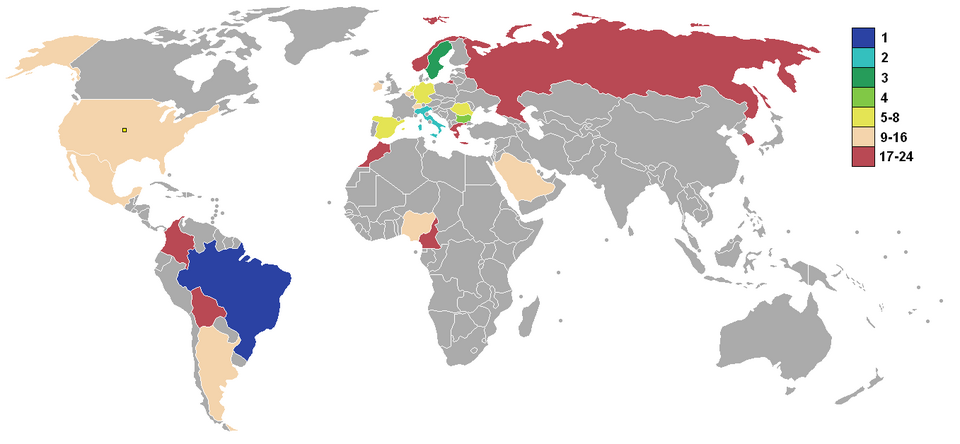
Featuring 24 teams from five different confederations, the event was a spectacle of athletic prowess and cultural exchange. From the opening matches in Chicago to the dramatic final in Pasadena, the tournament captured the imagination of millions, culminating in Brazil securing its fourth world title.
Key Facts
- Champion: Brazil (their 4th title)
- Runners-up: Italy
- Total Attendance: 3,587,538 spectators
- Top Scorers: Hristo Stoichkov and Oleg Salenko (6 goals each)
- Best Player: Romário
- Total Goals: 141 goals across 52 matches
Tournament Infrastructure and Venues
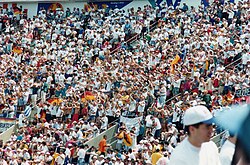
The United States utilized nine high-capacity stadiums across nine different host cities to accommodate the massive crowds. These venues were selected for their ability to handle the scale of a global event, ensuring that the atmosphere remained electric throughout the month-long competition.
| City | Stadium | Capacity |
|---|---|---|
| Los Angeles | Rose Bowl | 94,194 |
| San Francisco Bay Area | Stanford Stadium | 84,147 |
| Detroit | Pontiac Silverdome | 77,557 |
| New York/New Jersey | Giants Stadium | 76,322 |
| Dallas | Cotton Bowl | 64,000 |
| Chicago | Soldier Field | 63,160 |
| Orlando | Citrus Bowl | 62,387 |
| Foxborough | Foxboro Stadium | 54,456 |
| Washington | Robert F. Kennedy Memorial Stadium | 53,121 |
The Road to the Final
The tournament began with a group stage, where teams were divided into six groups (A through F). The top two teams from each group, along with the four best third-placed teams, advanced to the knockout stage. This format ensured a high level of competition and allowed teams like Argentina to progress despite a challenging group phase.
The Group Stage Highlights
The group stages were filled with surprises and dominant performances. Brazil emerged as a powerhouse in Group B, while Germany led Group C. One of the most notable individual performances came from Russia's Oleg Salenko, who contributed significantly to the goal tally. Meanwhile, the host nation, the United States, fought hard in Group A but ultimately fell short of the knockout rounds.
The Knockout Phase
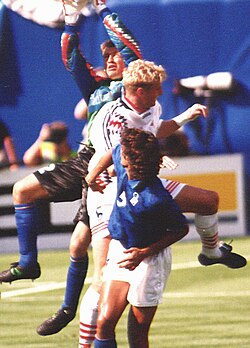
The Round of 16 and subsequent quarterfinals saw intense battles. Italy's journey was marked by resilience, including a dramatic extra-time victory over Nigeria. Bulgaria emerged as the tournament's "dark horse," defeating Germany in the quarterfinals to reach the semifinals.
The Grand Finale and Awards
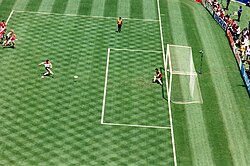
The final match took place on July 17 in Pasadena. Brazil and Italy fought to a 0-0 stalemate through both regulation and extra time. The championship was decided by a penalty shootout, where Brazil prevailed 3-2, claiming their fourth World Cup trophy.
The tournament recognized individual excellence through several prestigious awards. Romário was named the best player (Golden Ball), while Hristo Stoichkov and Oleg Salenko shared the Golden Shoe for the most goals scored. Michel Preud'homme was honored as the best goalkeeper (Yashin Award), and Marc Overmars was named the best young player.
Commercial Impact and Branding
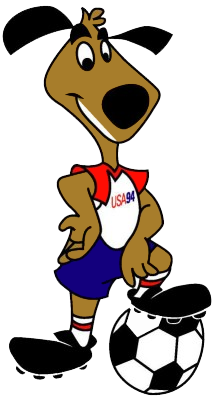
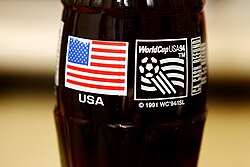
USA '94 was a commercial juggernaut, supported by a wide array of global sponsors including Coca-Cola, Adidas, and McDonald's. The tournament's branding was further solidified by its official mascot, Striker, who became a symbol of the event's energy and spirit.
Frequently Asked Questions
Who won the 1994 FIFA World Cup?
Brazil won the tournament, defeating Italy in a penalty shootout after a 0-0 draw in the final.
Who were the top scorers of the tournament?
Hristo Stoichkov of Bulgaria and Oleg Salenko of Russia were the joint top scorers, with 6 goals each.
How many teams participated in USA '94?
A total of 24 teams from five different confederations participated in the tournament.
Which stadium had the highest capacity?
The Rose Bowl in Los Angeles had the highest capacity, accommodating 94,194 spectators.
Who was named the best player of the tournament?
Romário of Brazil was awarded the Golden Ball as the best player of the tournament.