1975 Copa América: Peru's Path to Glory and a New Era for South American Football
The 1975 edition of the Copa América marked a pivotal turning point in the history of South American football. Held between 17 July and 28 October, this tournament was more than just a competition; it represented a complete rebranding and structural overhaul of the region's premier football event.
Previously known as the South American Championship, the tournament officially adopted the name Copa América for this edition. It also abandoned the traditional round-robin format in favor of a more complex system featuring a group stage, a knockout round, and a final. For the first time, all ten CONMEBOL (Confederación Sudamericana de Fútbol) member nations participated. To accommodate the scale, the tournament had no fixed host venue, with matches played across various participating countries throughout the year.
Key Facts
- Champions: Peru (their 2nd title)
- Runners-up: Colombia
- Best Player: Teófilo Cubillas
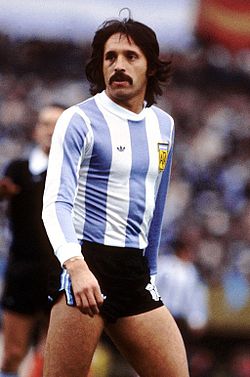
- Top Scorers: Ernesto Díaz and Leopoldo Luque (4 goals each)
- Total Attendance: 1,053,000 spectators
- Total Goals: 79 goals scored across 25 matches
Tournament Format and Group Stage
The competition began with nine teams divided into three groups of three, while the defending champions, Uruguay, received a bye directly into the semi-finals. In the group stage, teams played each other twice—once at home and once away. Points were awarded as two for a win and one for a draw.
Group A: Brazil's Dominance
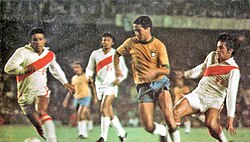
Group A saw a fierce battle between Brazil and Argentina. While Argentina secured a massive 11–0 victory over Venezuela, Brazil ultimately topped the group after a critical 2–1 win and a 1–0 victory over the Argentines.
Group B: Peru's Steady Rise
Peru emerged as the leader of Group B, remaining undefeated throughout the stage. Their consistency was highlighted by victories over Bolivia and Chile, ensuring their progression to the knockout rounds.
Group C: Colombia's Breakthrough
Colombia dominated Group C, securing their place in the semi-finals with strong performances against Ecuador and Paraguay, including a match against Paraguay that was abandoned at the 43rd minute.
The Road to the Final
The knockout stage brought high drama and unconventional tie-breaking methods. In the semi-finals, Colombia overcame Uruguay with a 3–1 aggregate score. Meanwhile, the clash between Peru and Brazil ended in a deadlock on points after two legs (3–1 to Peru in the first, 0–2 to Brazil in the second). Peru advanced to the final not by goal difference, but by the drawing of lots.
The final between Peru and Colombia was equally contested. After two matches, the teams were tied on points (1–0 to Colombia in the first leg, 2–0 to Peru in the second). This necessitated a play-off on neutral ground.
On 28 October, Peru secured their second title with a hard-fought 1–0 victory over Colombia, courtesy of a goal by Sotil in the 25th minute.
Tournament Summary
| Category | Detail |
|---|---|
| Dates | 17 July – 28 October 1975 |
| Participating Teams | 10 |
| Total Matches | 25 |
| Average Goals per Match | 3.16 |
| Average Attendance | 42,120 |
| Top Scorers | Ernesto Díaz & Leopoldo Luque (4 goals) |
Frequently Asked Questions
Who won the 1975 Copa América?
Peru won the tournament, claiming their second title after defeating Colombia 1–0 in a final play-off match.
How did the tournament format change in 1975?
The tournament changed its name from the South American Championship to Copa América and shifted from a round-robin format to a structure consisting of a group stage, semi-finals, and a final.
Who was the best player of the tournament?
Teófilo Cubillas was named the best player of the 1975 edition.
How was the tie between Peru and Brazil resolved in the semi-finals?
After both teams finished equal on points across two legs, Peru advanced to the final via a drawing of lots.
Which players were the top scorers?
Ernesto Díaz and Leopoldo Luque shared the top scorer honor, with each netting four goals during the competition.