1968 Summer Olympics: A Landmark Event in Mexico City
The 1968 Summer Olympics, officially known as the Games of the XIX Olympiad and branded as Mexico 1968, stand as one of the most significant chapters in sporting history. Held from October 12 to October 27, 1968, in Mexico City, these Games were a series of historic firsts: they were the first Olympics staged in Latin America, the first in a Spanish-speaking country, and the first to be hosted in the Global South.
Beyond the geography, the 1968 Games introduced pivotal technological advancements. For the first time, track and field events were held on an all-weather smooth track rather than the traditional cinder surface. Additionally, these Games marked the first time the Olympics exclusively utilized electronic timekeeping equipment to ensure absolute precision in results.
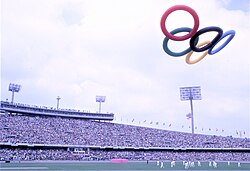
Key Facts
- Host City: Mexico City, Mexico
- Dates: October 12–27, 1968
- Participation: 5,516 athletes from 112 nations
- Scale: 172 events across 18 sports and 24 disciplines
- Firsts: First Olympics in Latin America and the Global South; first use of all-weather tracks and full electronic timing.
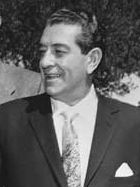
- Opening/Closing: Opened by President Gustavo Díaz Ordaz and closed by IOC president Avery Brundage.
Host City Selection and Organization
Mexico City secured the hosting rights after a competitive bidding process. In the first round of voting, Mexico City dominated with 30 votes, followed by Detroit (14), Lyon (12), and Buenos Aires (2). The organization of the Games was spearheaded by Adolfo López Mateos, the President of Mexico from 1958 to 1964, who served as the first chairman of the Organizing Committee.
Olympic Venues
The Games utilized a wide array of specialized facilities across the region. The Estadio Olímpico Universitario served as the primary stadium, while other key venues included the Estadio Azteca for the football final, the Francisco Márquez Olympic Pool for swimming and diving, and the Agustín Melgar Olympic Velodrome for track cycling.
Athletic Highlights and Participation
The 1968 Games saw a diverse array of competitors, with 4,735 men and 781 women participating. One of the standout individual performances came from American swimmer Charlie Hickcox, who secured three gold medals in the 200m IM, 400m IM, and the 4x100m medley relay, along with a silver in the 100m backstroke.
The participation list reflected the shifting geopolitical landscape of the era. East and West Germany competed as separate entities for the first time at a Summer Olympiad. Barbados made its debut as an independent country, and several other nations, including the Central African Republic and Kuwait, competed for the first time.
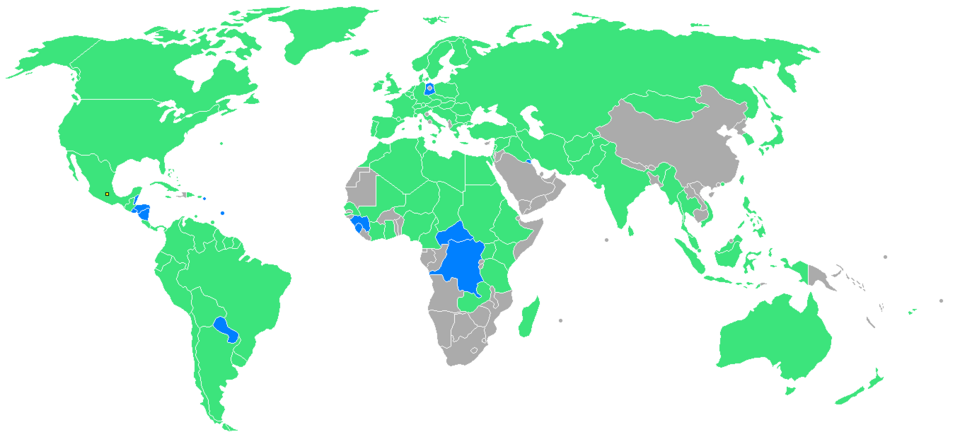
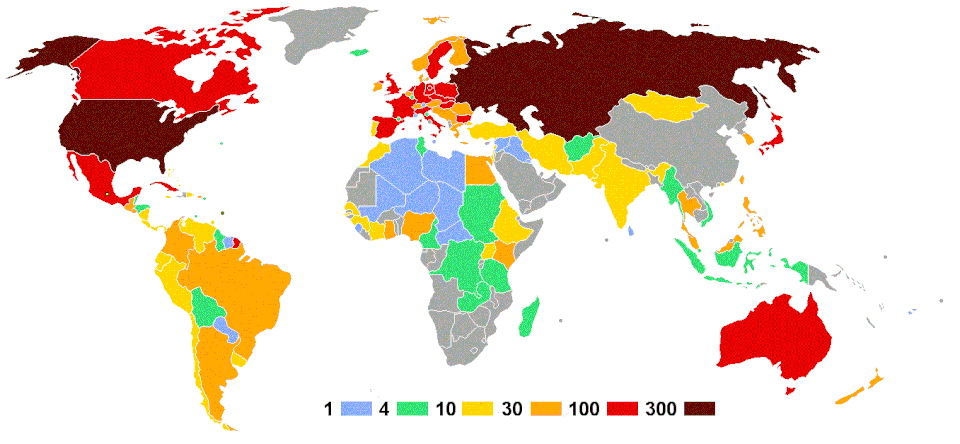
Summary of Participation and Scale
| Category | Detail |
|---|---|
| Total Athletes | 5,516 |
| Participating Nations | 112 |
| Total Events | 172 |
| Sports/Disciplines | 18 Sports / 24 Disciplines |
| Primary Stadium | Estadio Olímpico Universitario |
Political Controversies and Social Impact
The 1968 Games were overshadowed by intense political turmoil. Domestically, the Mexican government crushed the Mexican Student Movement just days before the opening ceremony, leading to a strong correlation between the sporting event and government repression.
The Black Power Salute
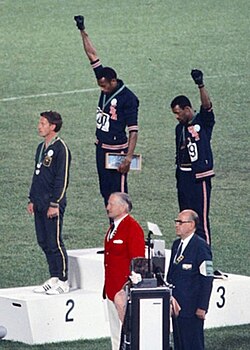
One of the most enduring images of the 20th century occurred during the 200-meter race medal ceremony. American athletes Tommie Smith (gold) and John Carlos (bronze) raised their fists in a Black Power salute to protest racial injustice. Australian silver medalist Peter Norman supported them by wearing an Olympic Project for Human Rights badge. While Smith and Carlos became symbols of the movement, Norman faced severe repercussions from Australian authorities and media.
International Boycotts and Exclusions
The Games were marked by significant diplomatic tension. South Africa was positively excluded from the Games after African nations and Eastern Bloc countries threatened a boycott due to the country's apartheid policies. This began a period of exclusion for South Africa that lasted until 1992.
Additionally, North Korea withdrew from the Games. This decision stemmed from a dispute over the official name of the country and the IOC's decision to bar North Korean track and field athletes who had participated in the rival Games of the New Emerging Forces (GANEFO).
Frequently Asked Questions
Why were the 1968 Olympics historically significant for Latin America?
They were the first Olympic Games ever staged in Latin America, a Spanish-speaking country, and the Global South, breaking the trend of the Games being primarily held in Europe or North America.
What technological innovations were introduced in 1968?
The 1968 Games were the first to use an all-weather (smooth) track for athletics instead of cinder, and the first to exclusively use electronic timekeeping equipment.
Who were the athletes involved in the Black Power salute?
The protest was led by American sprinters Tommie Smith and John Carlos, who raised their fists on the podium. They were supported by Australian athlete Peter Norman.
Why was South Africa excluded from the 1968 Games?
South Africa was excluded due to its system of segregation and discrimination. African nations and Eastern Bloc countries threatened to boycott the Games if South Africa were allowed to participate.
Which swimmer had a dominant performance at these Games?
American swimmer Charlie Hickcox was a highlight of the Games, winning three gold medals (200m IM, 400m IM, and 4x100m medley relay) and one silver medal (100m backstroke).