Zambia: A History of the Landlocked Heart of Southern Africa
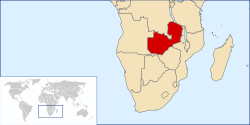
Zambia is a sovereign, landlocked nation situated in the heart of Southern Africa. Defined by its diverse landscapes and strategic position, the region has served as a home to human civilization for millennia, evolving from ancient tribal settlements into a modern independent state.
Ancient Roots and Early Exploration
For thousands of years, the territory now known as Zambia was inhabited by migrating tribes and hunter-gatherers. These early populations established the foundational social structures of the region long before external contact. It was not until the 18th century that European explorers began making sporadic visits to the area, marking the beginning of a period of gradual foreign interest.
The Era of Northern Rhodesia
Toward the end of the 19th century, the British began to claim and occupy the region. This territory was established as a protectorate—a state that is controlled and protected by another—under the name Northern Rhodesia. This colonial administration remained in place until the mid-20th century as the push for self-governance grew.
Independence and the Path to Democracy
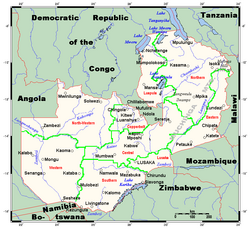
On October 24, 1964, the protectorate officially gained its independence. The nation was renamed Zambia, a name derived from the Zambezi River, the prominent waterway that flows through the country.
Following independence, Zambia transitioned into a system of one-party rule. This political era was dominated by President Kenneth Kaunda, who led the nation's politics for several decades. The political landscape shifted significantly in 1991, when the country held its first multiparty elections, marking a transition toward a more pluralistic democratic system.
Key Facts
- Location: Landlocked country in Southern Africa.
- Etymology: Named after the Zambezi River.
- Independence Date: October 24, 1964.
- Former Name: Northern Rhodesia (British protectorate).
- Key Political Figure: Kenneth Kaunda, who led the country until 1991.
| Period | Political Status | Key Characteristics |
|---|---|---|
| Pre-19th Century | Indigenous Territories | Inhabited by hunter-gatherers and migrating tribes. |
| Late 19th Century - 1964 | Northern Rhodesia | British protectorate. |
| 1964 - 1991 | Republic of Zambia | Independence followed by one-party rule under Kenneth Kaunda. |
| 1991 - Present | Republic of Zambia | Transition to multiparty elections. |
Frequently Asked Questions
Where is Zambia located?
Zambia is a landlocked sovereign country located in Southern Africa.
What was Zambia called before independence?
Before gaining independence, the region was a British protectorate known as Northern Rhodesia.
How did Zambia get its name?
The name Zambia is derived from the Zambezi River, which flows through the country.
When did Zambia gain independence?
Zambia officially gained its independence on October 24, 1964.
Who was the dominant political figure after independence?
Kenneth Kaunda was the president who dominated Zambian politics from independence until the introduction of multiparty elections in 1991.