YSTV: A History of Student Broadcasting at the University of York
Since its inception in the late 1960s, YSTV has served as a creative hub for student media at the University of York. From its humble beginnings in a chemistry department to becoming an award-winning digital broadcaster, the station has mirrored the evolution of television technology and student journalism over five decades.
The Early Years and Studio Evolution
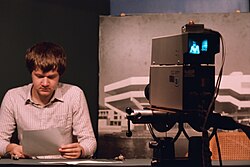
YSTV first went on air on 21 November 1967. The initial broadcasts originated from the university's chemistry department before the station transitioned to the physics department. For years, the society operated out of the university's Audio-visual Department studio, typically borrowing the space for short windows during lunchtimes.
A significant turning point occurred in 1977 when the Students' Union increased the annual grant from £300 to £3,000. This funding enabled the conversion of a Preparation Room behind the main Physics Department Lecture Hall into a dedicated, exclusive studio for YSTV in 1978.
During this era, the society embraced portable technology by purchasing its first Sony Rover. This system—a precursor to the modern camcorder—featured a black-and-white camera linked via cable to a reel-to-reel recording machine using half-inch video tape. This innovation liberated students from the confines of the studio, allowing for far more flexible production.
Overcoming Challenges and Expanding Reach
The station faced a crisis in June 1993 when the university requested that YSTV vacate its physics department premises. However, a concerted campaign supported by students, the York University Students' Union, Greg Dyke, and Tom Gutteridge saved the station. This effort resulted in a new studio at Goodricke College (which later became James College), officially opened by Greg Dyke on 29 October 1994.
As the digital age arrived, YSTV transitioned its delivery methods. On 10 October 2004, the station began broadcasting live via the campus intranet to student bedrooms, while offering on-demand content to a global audience. By 13 January 2006, the live stream was opened to the entire world, with content released under a Creative Commons license (a public copyright license that enables the free distribution of an open-content work).
Key Facts
- Founded: First broadcast on 21 November 1967.
- World Record: Earned a Guinness Book of Records entry in 1988 for the longest continuous broadcast by a single director (Keith Hide-Smith).
- Technological Firsts: First station to broadcast in 3D in February 2011.
- Major Milestones: Transitioned to global online broadcasting in January 2006.
- Award Success: Multiple-time winner of "Best Broadcaster" at the NaSTA Awards.
Notable Achievements and Milestones
YSTV has a long history of high-profile contributions and industry recognition. In 1969, the station featured contributions from Germaine Greer and Frank Muir. In 1979, it broadcast the Student Union elections count, featuring candidates Fabian Hamilton and Richard Burden, who both later became Labour MPs.
The station's technical progression is marked by its first colour broadcast on 20 October 1986, which was initially viewable on only seven screens across the university colleges. In more recent years, YSTV has expanded into experimental formats, such as the first Live Interactive Drama, "Please Sir, There's Been a Murder!", in December 2019.
The station has also maintained a dominant presence at the National Student Television Association (NaSTA) Awards, consistently winning categories for Technical Achievement and Best Broadcaster.
| Year | Event / Achievement | Detail |
|---|---|---|
| 1967 | Inaugural Broadcast | Launched from the Chemistry department. |
| 1988 | Guinness World Record | Longest continuous broadcast by a single director. |
| 1994 | New Studio Opening | Opened at Goodricke College by Greg Dyke. |
| 2006 | Global Streaming | Live stream opened to the world via Creative Commons. |
| 2011 | 3D Broadcasting | First station to broadcast in 3D. |
| 2012, 2014, 2019 | NaSTA Best Broadcaster | Won the top title in multiple years. |
Frequently Asked Questions
When did YSTV start broadcasting?
YSTV began its first broadcasts on 21 November 1967, starting in the university's chemistry department.
What was the Sony Rover system?
The Sony Rover was a portable black-and-white camera system linked to a reel-to-reel recording machine using half-inch video tape, serving as a forerunner to the modern camcorder.
How did YSTV move to online broadcasting?
The station began broadcasting to student bedrooms via the campus intranet in October 2004 and opened its live stream to the global public on 13 January 2006.
What is the significance of the NaSTA Awards for YSTV?
The National Student Television Association (NaSTA) Awards have recognized YSTV as "Best Broadcaster" multiple times and have honored the station for technical achievements, including its "Anser" video livestream management system.
Where is the YSTV studio located now?
Following a relocation of Goodricke College to the Heslington East campus in 2009, the YSTV studio became part of James College.